

In this guide 38
- Things to Do in Lake Bohinj
- How to Get to Lake Bohinj
- Best Time to Visit Lake Bohinj
- Lake Bohinj Costs and Parking
- Triglav National Park Rules and Practical Tips
- Local Food and Where to Eat
- Lake Bohinj vs Lake Bled: Which One to Visit
- Nearby Day Trips from Lake Bohinj
- Frequently Asked Questions About Lake Bohinj
- Conclusion
Lake Bohinj sits in the Julian Alps, about 65 km northwest of Ljubljana and 25 km southwest of Bled, inside Triglav National Park. Slovenia’s largest permanent natural lake is a little over 4 km long, about 1 km wide and up to 45 m deep, with a surface elevation around 525 m.
The main settlement is Ribčev Laz at the eastern end, where the Church of St John the Baptist stands beside a stone bridge. Unlike Bled, Lake Bohinj has no island, no promenade lined with hotels, and far fewer day trippers. The villages are working alpine communities, Lake Bohinj is surrounded by forest and pasture rather than cafes, and the valley opens directly into high mountain trails.
This guide covers how to reach Lake Bohinj, what to do once you arrive, where the best viewpoints and swimming spots are, what the rules inside the national park mean in practice, and how much a visit costs.
Some links in this guide are affiliate links. If you book through one, Roamdusk may earn a commission at no extra cost to you. It never decides what we recommend.
Things to Do in Lake Bohinj
Lake Bohinj itself is the anchor, but the valley holds enough to fill two or three days without repeating yourself. Most activities are outdoors and depend on weather, so plan with a backup if conditions turn.
Walk the Lake Loop Trail
The full circuit around Lake Bohinj is approximately 12 km and takes 3 to 4 hours at a steady pace, longer with stops. The northern shore is quieter and more wooded, with better shade in summer. The southern shore follows the road to Ukanc and gives broad views across the water to the peaks on the north side. The path is mostly flat, suitable for families, and connects Ribčev Laz, Ukanc and the shoreline in between. Start early to avoid the midday heat in July and August, and bring water.
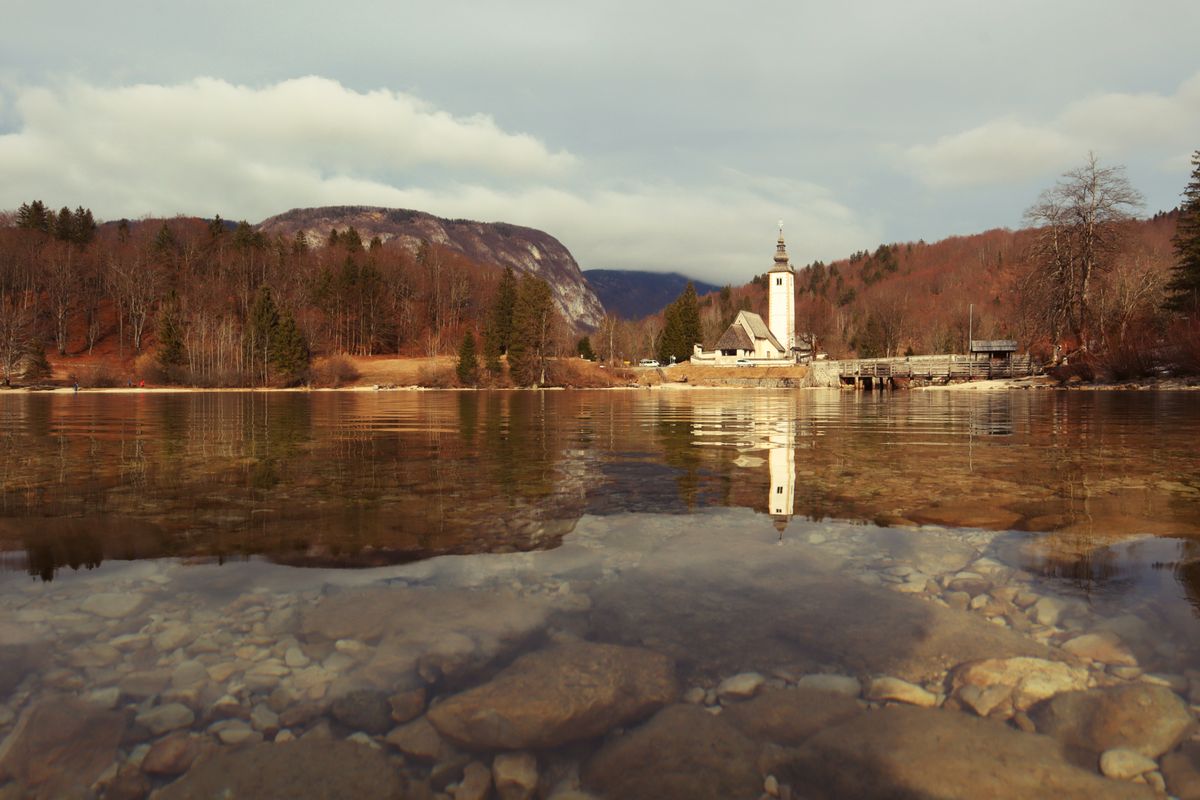
You can walk the loop in either direction, but clockwise from Ribčev Laz keeps the best mountain views in front of you for the second half. Allow time to stop at the church and the Ukanc beach area. The route is well marked and mostly follows the shoreline or lakeside paths, with short sections on quiet roads.
Visit the Church of St John the Baptist
The Church of St John the Baptist at Ribčev Laz is Lake Bohinj’s most photographed landmark, a medieval church with frescoes inside and a lakeside setting. It opens to individual visitors on a seasonal timetable, typically daily from 11am to 5pm in summer and at weekends in late spring, while outside that period visits are possible only for groups by prior arrangement. Check the current opening times with Bohinj Tourism before you go. The exterior and the stone bridge beside it are always accessible and are worth the short walk from the main road.
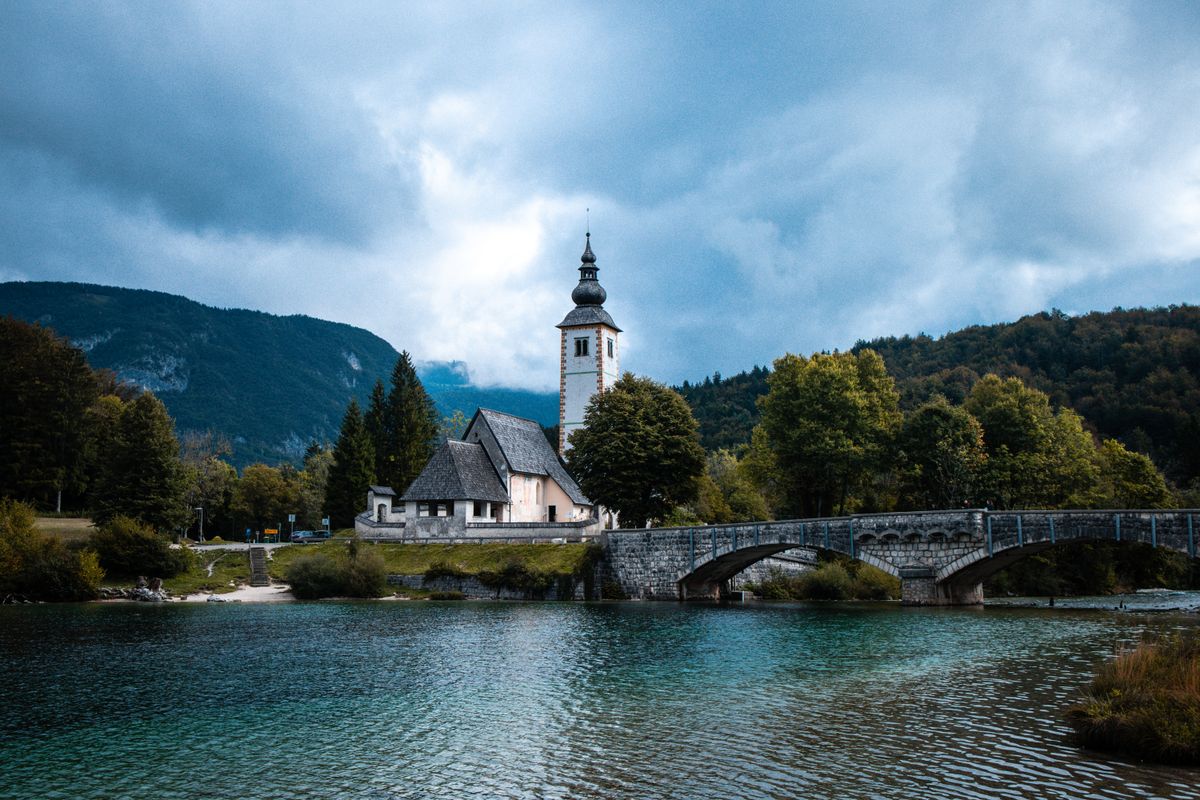
Even if the church is closed, the view from the bridge is the best photo opportunity in the valley. The church sits right at the water’s edge, with the Julian Alps rising behind it. Early morning and late afternoon give the softest light, and the spot is quieter before 9am or after 6pm in summer.
Ride the Vogel Cable Car
The Vogel cable car rises from the western end of the lake near Ukanc to a mountain plateau about 1,000 m higher, with views over Lake Bohinj and into Triglav National Park. In 2026 the cable car closes for its regular maintenance from late September until around the end of November, before the ski season starts. In summer it usually runs every 30 minutes from 8am to 6pm. Check the current status at vogel.si before you travel, because weather and maintenance can close the lift at short notice.
In summer, an adult return ticket costs roughly €30 to €35, with lower fares for young people, seniors and children. One-way tickets are available if you plan to hike down. At the top, chairlifts and a network of marked trails lead to higher viewpoints and alpine meadows. In winter, Vogel operates as a ski area when snow conditions permit.
Hike to Savica Waterfall
Savica Waterfall drops about 78 m in a narrow gorge and is reached by a marked uphill path from the Savica parking area, a few kilometers west of Ukanc. The walk from the car park to the waterfall takes about 20 to 30 minutes, with a steep staircase near the end. A small admission fee is charged during the main season. The waterfall is most impressive in spring and early summer when snowmelt is high, and it can reduce to a trickle by late August in dry years.
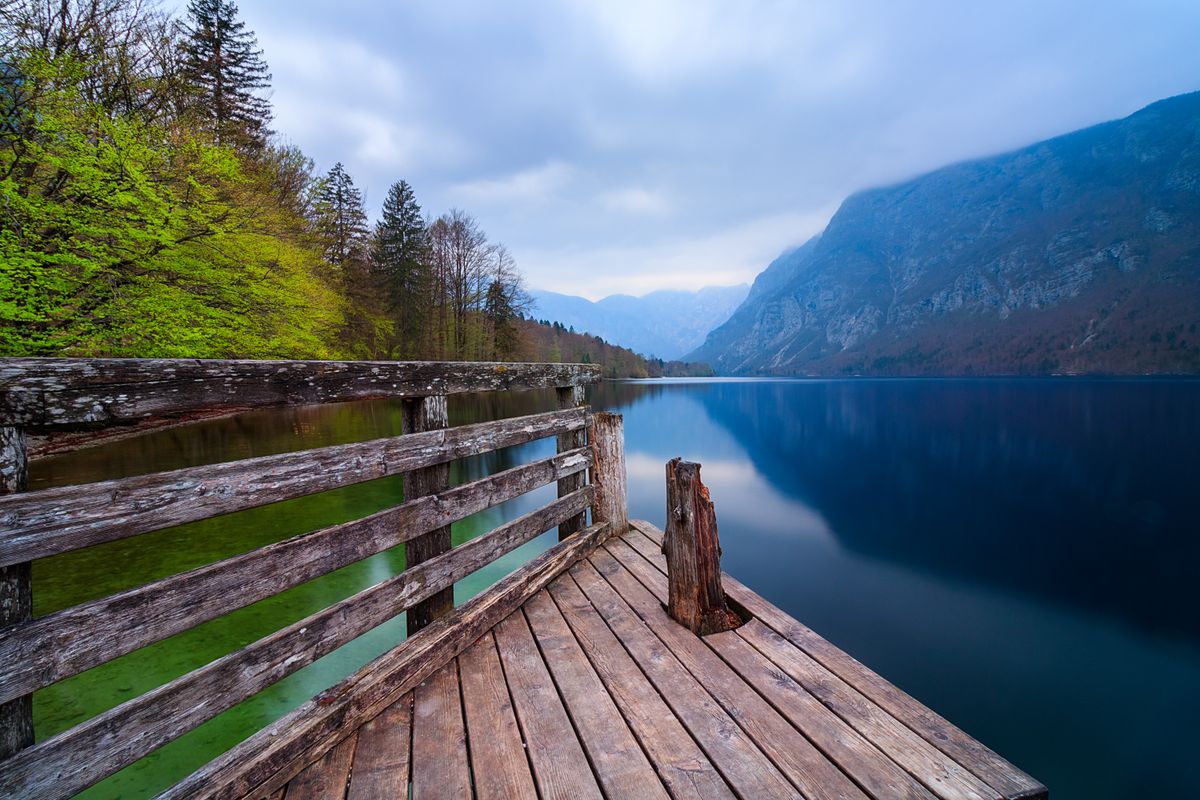
The Savica trailhead is also the starting point for longer hikes toward the Komna plateau and the Seven Lakes Valley, so the car park can fill early in July and August. Arrive before 9am if you want a space, or use the summer bus from Ribčev Laz or Ukanc. The waterfall itself is in a shaded gorge, so bring a light jacket even on warm days.
Explore Mostnica Gorge and Voje Valley
Mostnica Gorge is a forested limestone canyon that follows the Mostnica River from Stara Fužina upstream toward Voje Valley. The gorge path is about 2 km and takes roughly 1.5 hours return, with wooden walkways, bridges and sculpted rock pools. The entrance fee is about €4 for adults in summer, with lower prices for children, students and seniors and a cheaper adult rate in spring and autumn. Children up to 6 years old and holders of the Julian Alps: Bohinj Card enter free.
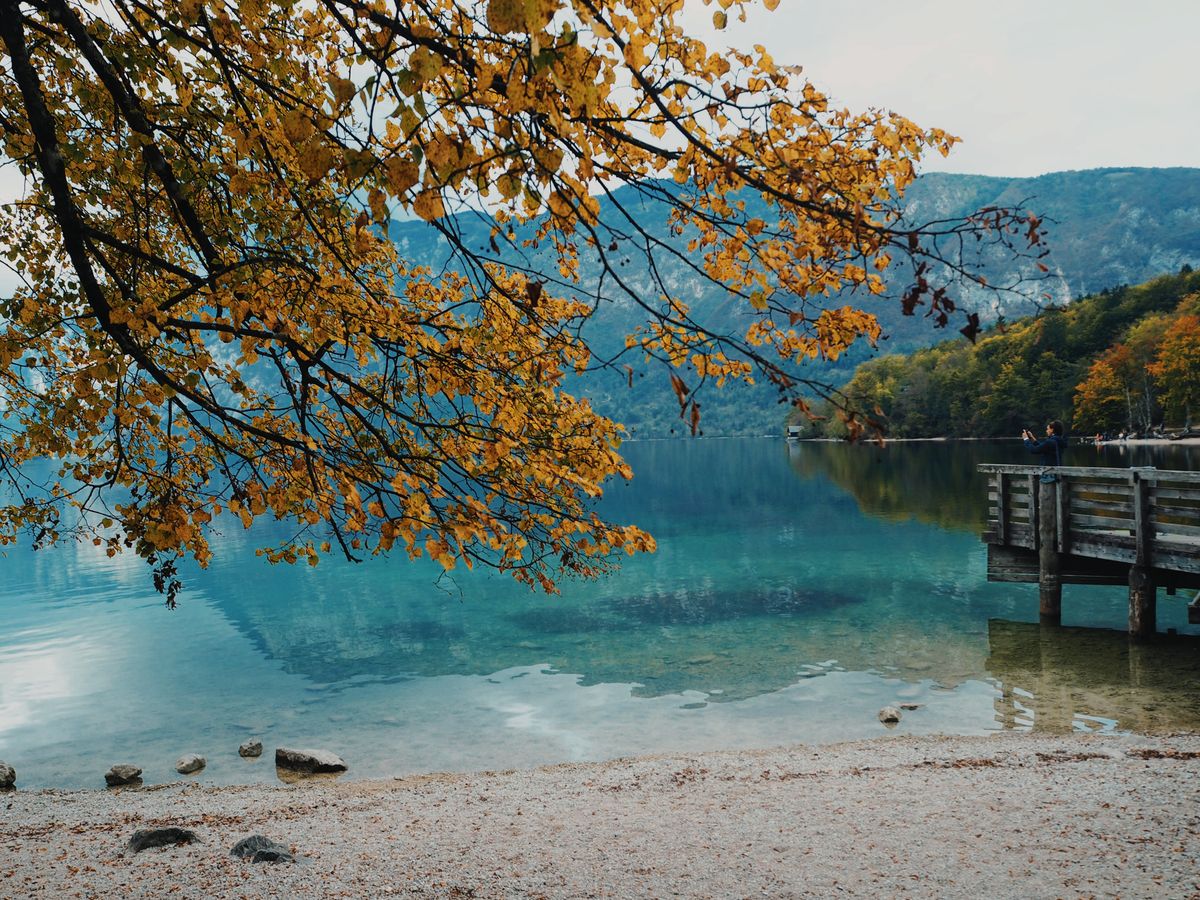
If you continue past the gorge, the trail opens into Voje Valley, a quiet alpine meadow with a waterfall at the far end. The full walk to the valley and back is a half-day excursion. The gorge path is well maintained and suitable for most fitness levels, but it can be slippery after rain. The alternative route via the Voje Valley road does not require an entrance ticket, but it is longer and less scenic.
Swimming in Lake Bohinj
Lake Bohinj is suitable for swimming at designated or commonly used access points, subject to local conditions. The water is cold, even in summer, because the lake is fed by mountain springs and the Savica. July and August are the warmest months, when surface temperatures can reach 20 to 22°C, but expect 16 to 18°C in June and September. The main swimming areas are at Ribčev Laz, near the church, and at Ukanc, at the western end. Both have grassy or pebbly shores, shallow entry, and enough space to spread out on busy days.
Swimming is prohibited in the high-mountain lakes in the park’s strictest protection zone, but this rule does not apply to Lake Bohinj itself. Follow posted notices, keep to designated access points, and do not swim near boat launch areas. Lake Bohinj is deep and the bottom drops quickly, so supervise children closely. Bring water shoes if you are sensitive to pebbles.
Boating and Water Activities
Rowboats, kayaks, paddleboards and a panoramic tour boat operate on Lake Bohinj seasonally, generally from May through September. Private motorboats are not allowed on the lake. Private boats need a permit under the park’s rules, must enter and leave the lake only at designated launch points, and must be clean to prevent the spread of invasive species. Rental operators handle permits for their own fleets, so you do not need to arrange one separately if you hire a boat locally.
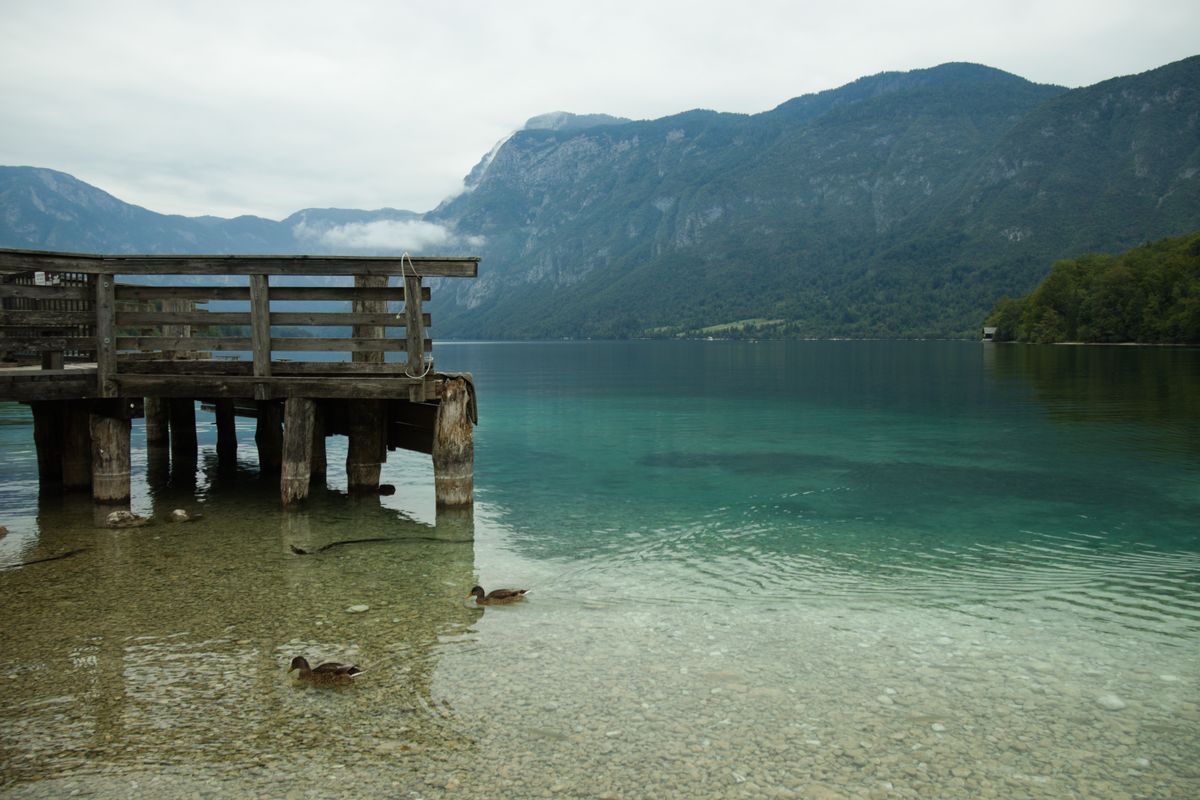
The panoramic boat runs a scheduled service across the lake in summer, between Ribčev Laz and Ukanc. It is a good option for a short trip with small children or for a rest day when you do not want to walk. Prices vary by season, so check at the lakeside ticket booths or with Bohinj Tourism before you go.
How to Get to Lake Bohinj
The nearest major airport is Ljubljana Jože Pučnik Airport, about 60 km from Bohinj by road. By rental car or taxi, the trip usually takes 50 to 70 minutes, depending on traffic and which village you are heading for. The airport has no railway station, so onward travel by public transport requires a bus or a combination of bus and train.
By Bus from Ljubljana
Regular buses connect Ljubljana with Bohinjska Bistrica, Ribčev Laz and other Bohinj settlements, usually via Bled. The journey generally takes around 2 hours, although schedules vary by service and season. In summer, buses run more frequently, but check the last return bus carefully because the final departure from Bohinj can be earlier than you expect. Book tickets in advance during July and August, when services fill quickly.
The bus drops you in the center of Ribčev Laz or at other lakeside stops, so you can start walking or exploring immediately. This is the most straightforward public transport option and avoids the need for a car park.
By Train and Local Bus
Train travel is possible on the scenic Bohinj Railway, which runs between Jesenice and Nova Gorica. From Ljubljana, take a train to Jesenice and change there, then get off at Bohinjska Bistrica, about 6 km from the lake, and continue by local bus, taxi or bicycle. A train-and-bus journey from Ljubljana is usually slower than the direct bus, but it is more scenic and useful if you are continuing west toward the Soča Valley or Italy. Check the current timetable before you travel, because connections vary through the day.
A 24-hour ticket for the local buses within the valley costs €2 and is good value if you plan to move between villages or trailheads. Holders of the Julian Alps: Bohinj Card can use the regular local buses free of charge.
By Car
By car from Ljubljana, take the A2 motorway toward Jesenice, exit near Lesce or Bled, then follow roads toward Bohinjska Bistrica and the lake. Allow roughly 1 hour 15 minutes to 1 hour 40 minutes. From Bled, the drive is normally about 30 to 40 minutes. Summer traffic and limited lakeside parking can substantially increase the journey, so arrive early or use one of the park-and-ride areas away from the lake.
Best Time to Visit Lake Bohinj
June through September is the most reliable period for walking, swimming, boating and cable-car excursions. July and August are the warmest and busiest months, with the best weather for lake activities but also the highest accommodation prices and the most crowded trails. Arrive early in the day, especially at weekends, because parking and popular paths become congested by mid-morning.
Shoulder Seasons: May and October
May and October can be excellent for quieter walks, autumn colour and lower accommodation prices. The trade-off is more rain, fog, shortened opening hours and unstable mountain weather. Some attractions and lifts may be closed, and public transport services can be reduced. Check operating schedules for the Vogel cable car, Savica Waterfall and Mostnica Gorge before you book, because all three can close or reduce hours outside the main season.
October is particularly good for photography, with larch trees turning gold on the surrounding slopes and fewer people on the trails. The water is too cold for most swimmers by then, but the walking conditions are often better than in the heat of August.
Winter: December to March
December through March is best for winter scenery, snowshoeing and skiing at Vogel when snow conditions are adequate. It is less suitable for a complete lake-and-attractions itinerary, because many trails, the Mostnica Gorge path and the Savica Waterfall approach can be closed or dangerous. High mountain trails require winter equipment and experience. The lake itself is beautiful under snow, and the valley is much quieter, but plan your activities carefully and check avalanche forecasts if you leave the valley floor.
Lake Bohinj Costs and Parking
Costs change by season and operator, so treat the figures below as typical rather than fixed.
Transport and Parking
The 24-hour local bus ticket is €2 and covers buses within the valley. Parking at lakeside car parks generally costs €1.50 to €3 per hour, with daily rates around €10 to €15 in peak season. The cheapest parking is found away from the lake, including around Nomenj, Bohinjska Bistrica and Srednja vas, with onward public transport in summer. Roadside parking is prohibited in most areas and can result in fines or towing.
Accommodation
Budget campsites and guesthouses commonly start around €20 to €40 per person or pitch in low season. Simple double rooms often cost about €80 to €150 per night, rising considerably in July and August. Hotels and apartments can exceed €200 per night. Book well ahead for summer weekends, because the valley has limited capacity and popular properties fill months in advance.
Food
A bakery breakfast may cost €4 to €8, a casual meal roughly €12 to €20 per person, and a restaurant main course commonly €15 to €30. Mountain huts are often cash-oriented and have limited opening periods, so carry enough cash if you plan to eat on the trail. Supermarkets in Bohinjska Bistrica and Ribčev Laz stock basics, and prices are reasonable by alpine standards.
Activities
Savica Waterfall and Mostnica Gorge charge modest entry fees, as detailed above. A Vogel cable-car return costs roughly €30 to €35 for adults in summer. Boat hire, guided hikes and canyoning are additional costs, and prices vary widely by operator. The Julian Alps: Bohinj Card can reduce costs for visitors staying several days, especially those arriving without a car, because it includes free local bus travel and discounts on several attractions.
Triglav National Park Rules and Practical Tips
Lake Bohinj lies within Triglav National Park, and the rules are enforced. Camping, bivouacking and sleeping outdoors are prohibited except in designated campsites. Park only in marked car parks, because roadside parking can obstruct emergency access and attract penalties. Follow marked trails, keep dogs on a leash, and do not light fires outside permitted areas. Drones require prior authorization from the national park authority.
Bring cash, water, sun protection and a rain layer. Mountain weather can change quickly, so check the forecast on the morning you set out. Avoid assuming that every attraction operates daily outside July and August, because many reduce hours or close entirely in shoulder seasons. Read Bohinj Tourism’s visitor guidelines and Triglav National Park’s visitor FAQ before you go, and see how Slovenia’s tourist board suggests you visit Triglav National Park with respect.
Local Food and Where to Eat
Lake Bohinj has a distinct alpine cuisine centered on dairy, trout, potatoes, buckwheat and preserved meats. Look for restaurants displaying the Bohinjsko or From Bohinj certificate, which identifies locally sourced and prepared dishes. The valley’s signature product is Mohant, a pungent, mildly spicy soft cow’s-milk cheese with protected designation of origin. It is traditionally served over hot boiled potatoes, with dark or rye bread, or alongside baked trout.
What to Eat
Mohant is an acquired taste, with a strong aroma and intense flavor. Order a small portion first, or try Bohinj cheese, a milder semi-hard local cheese with a nutty flavor, if you prefer something gentler. Lake Bohinj trout is usually grilled or pan-fried. Bohinjski žganci is a rustic, polenta-like dish made from local corn flour, traditionally served with sour milk, sauerkraut or pork cracklings. Other traditional dishes include jota and ričet, hearty mountain stews based on sauerkraut, beans, barley, potatoes and smoked pork.
For something to take home, buy local honey, jams, dried meats and cheeses. Several farmhouses and small producers sell directly to visitors, and quality is generally high.
Recommended Restaurants
Majer’ca in Stara Fužina serves traditional regional food with outdoor mountain-view dining. Restaurant 2864 at Bohinj ECO Hotel focuses on local trout, cottage-cheese soup and potato dumplings. Sunrose 7 in Bohinjska Bistrica offers a refined interpretation of Bohinj ingredients. Gostilna Pri Hrvatu is a more rustic inn-style option with traditional pork cracklings and hearty local fare.
Lake Bohinj vs Lake Bled: Which One to Visit
Lake Bled and Lake Bohinj are about 25 km apart, and they suit different travelers. Bled is Slovenia’s most famous alpine resort, with a castle on a cliff, an island church and a promenade lined with hotels and cafes. It is busier, more developed and easier to reach by public transport. Lake Bohinj is larger, quieter and more natural, with no island, no promenade and far fewer commercial facilities. Bled is better for a short visit or for travelers who want facilities close at hand. Bohinj is better for hiking, swimming and multi-day stays in the mountains.
If you have time, visit both. Bled is a half-day excursion from Bohinj, and the two lakes complement each other rather than compete. If you can only visit one, choose Bled for convenience and iconic views, or Bohinj for space, quiet and access to Triglav National Park. Read more about Lake Bled’s sights and practical details to help you decide.
Nearby Day Trips from Lake Bohinj
Lake Bohinj is a good base for exploring the wider Julian Alps region. Several nearby destinations make excellent day trips, each offering a different landscape or activity.
Pokljuka Plateau
Pokljuka Plateau is a high forested plateau in Triglav National Park, known for hiking, cross-country skiing and biathlon facilities. It is a good alternative on a crowded lakeside day, with marked trails through conifer forest and open meadows. Mountain roads and seasonal access require checking before you go, because snow can close or restrict routes well into spring.
Kranjska Gora and Vršič Pass
Kranjska Gora and the Vršič Pass are around 45 to 60 km by road, depending on the route, with alpine scenery, hiking and access toward the Soča Valley. The Vršič Pass is Slovenia’s highest mountain road pass and offers spectacular views, but it closes or is restricted in winter and after heavy snowfall. Check road conditions before you drive, and allow extra time for the hairpin bends and photo stops.
Plitvice Lakes National Park
If you are planning a longer trip through the region, consider combining Lake Bohinj with Plitvice Lakes National Park in Croatia, about 270 km away by road. Plitvice is a UNESCO World Heritage site with cascading turquoise lakes and waterfalls, and it makes a natural pairing with Bohinj for travelers exploring the region. It is too far for a day trip, so plan at least one night there.
Hallstatt, Austria
For another alpine lake comparison, Hallstatt in Austria is roughly 280 km to the north by road. It is smaller and busier than Bohinj, but the lakeside setting and mountain backdrop are similarly dramatic. Hallstatt works well as a stopover if you are driving between Slovenia and Salzburg or Vienna.
Frequently Asked Questions About Lake Bohinj
Can you swim in Lake Bohinj?
Yes, swimming is allowed at designated or commonly used access points, including Ribčev Laz and Ukanc. The water is cold, even in summer, with surface temperatures reaching 20 to 22°C in July and August. Use designated access points, obey posted notices, and supervise children closely because Lake Bohinj is deep and the bottom drops quickly.
Is Lake Bohinj better than Lake Bled?
Lake Bohinj is quieter, larger and more natural, with better access to hiking and Triglav National Park. Lake Bled is more developed, easier to reach and has more facilities. Bohinj is better for multi-day stays, hiking and swimming. Bled is better for a short visit or for travelers who want iconic views and nearby cafes. If you have time, visit both.
How long does it take to walk around Lake Bohinj?
The full loop is approximately 12 km and takes 3 to 4 hours at a steady pace, longer with stops. The path is mostly flat and suitable for families. Start early to avoid midday heat in summer, and bring water.
Do you need a car to visit Lake Bohinj?
No, regular buses connect Ljubljana with Ribčev Laz and other lakeside settlements in about 2 hours, and a 24-hour local bus ticket costs €2. A car gives more flexibility for reaching trailheads and nearby destinations, but parking is limited and expensive in summer, so public transport is often easier.
What is the Julian Alps: Bohinj Card?
The Julian Alps: Bohinj Card is a pass for overnight visitors that includes free local bus travel and discounts on attractions, including Mostnica Gorge, Savica Waterfall and the Vogel cable car. It is good value for visitors staying several days without a car. Ask your accommodation or Bohinj Tourism about current prices and where to get it.
When is the best time to visit Lake Bohinj?
June through September is the most reliable period for lake activities, hiking and cable-car excursions. July and August are warmest and busiest. May and October offer quieter conditions and lower prices, but expect shorter opening hours and less stable weather. December through March is best for winter scenery and skiing at Vogel, but many trails and attractions are closed.
Conclusion
Lake Bohinj rewards visitors who want mountains, quiet and space over facilities and crowds. The valley offers enough variety for a long weekend or a week, with walking, swimming, cable-car access to high trails, and a network of gorges and waterfalls within easy reach. The rules inside Triglav National Park are clear and enforced, so read them before you arrive and follow marked paths. Public transport is good in summer, accommodation is limited, and the best spots fill early in the day during July and August. Plan ahead, arrive early, and bring layers for changeable mountain weather.