

In this guide 34
- Upper and Lower Lakes Plitvice: What to See
- Plitvice Lakes Entrance 1 or 2: Where to Start
- Routes and Programmes by Time Available
- Plitvice Lakes Tickets: Prices and Booking
- How to Get to Plitvice Lakes
- Best Time to Visit Plitvice Lakes
- Park Rules and Practical Tips
- Where to Stay and Eat
- Nearby: Rastoke and Barać Caves
- Frequently Asked Questions
- Plan Your Visit
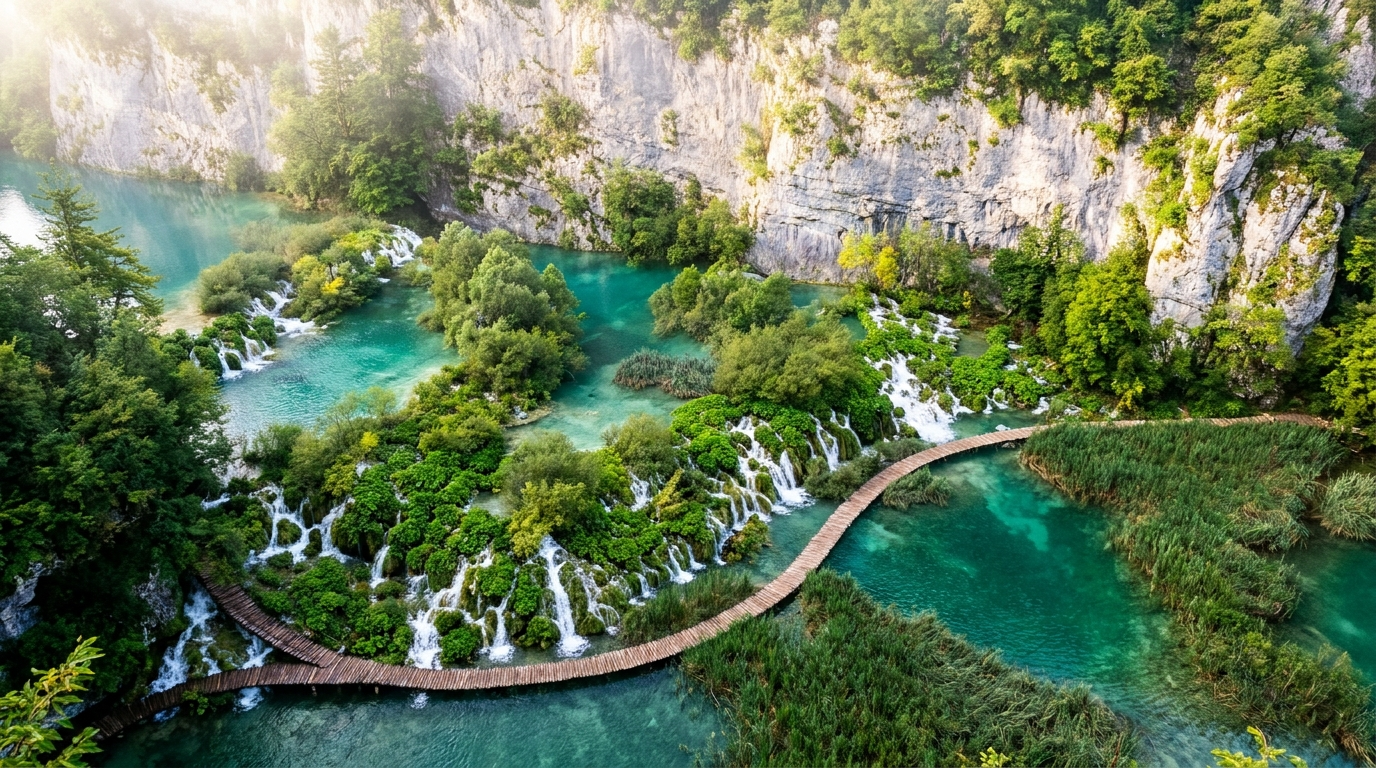
Plitvice Lakes National Park is Croatia’s oldest and most visited national park, protecting a UNESCO World Heritage chain of 16 travertine lakes connected by waterfalls and wooden boardwalks. The park sits in the mountainous Lika region, roughly 130 km south of Zagreb and 120 km northeast of Zadar, near the Bosnia and Herzegovina border. The lake system divides into the Upper Lakes, surrounded by forest and quieter trails, and the Lower Lakes, where limestone cliffs and the famous Veliki Slap waterfall draw the largest crowds. Tickets include the electric boat and panoramic shuttle, and prices change by season, from €10 in winter to €40 in peak summer.
Some links in this guide are affiliate links. If you book through one, Roamdusk may earn a commission at no extra cost to you. It never decides what we recommend.
Upper and Lower Lakes Plitvice: What to See
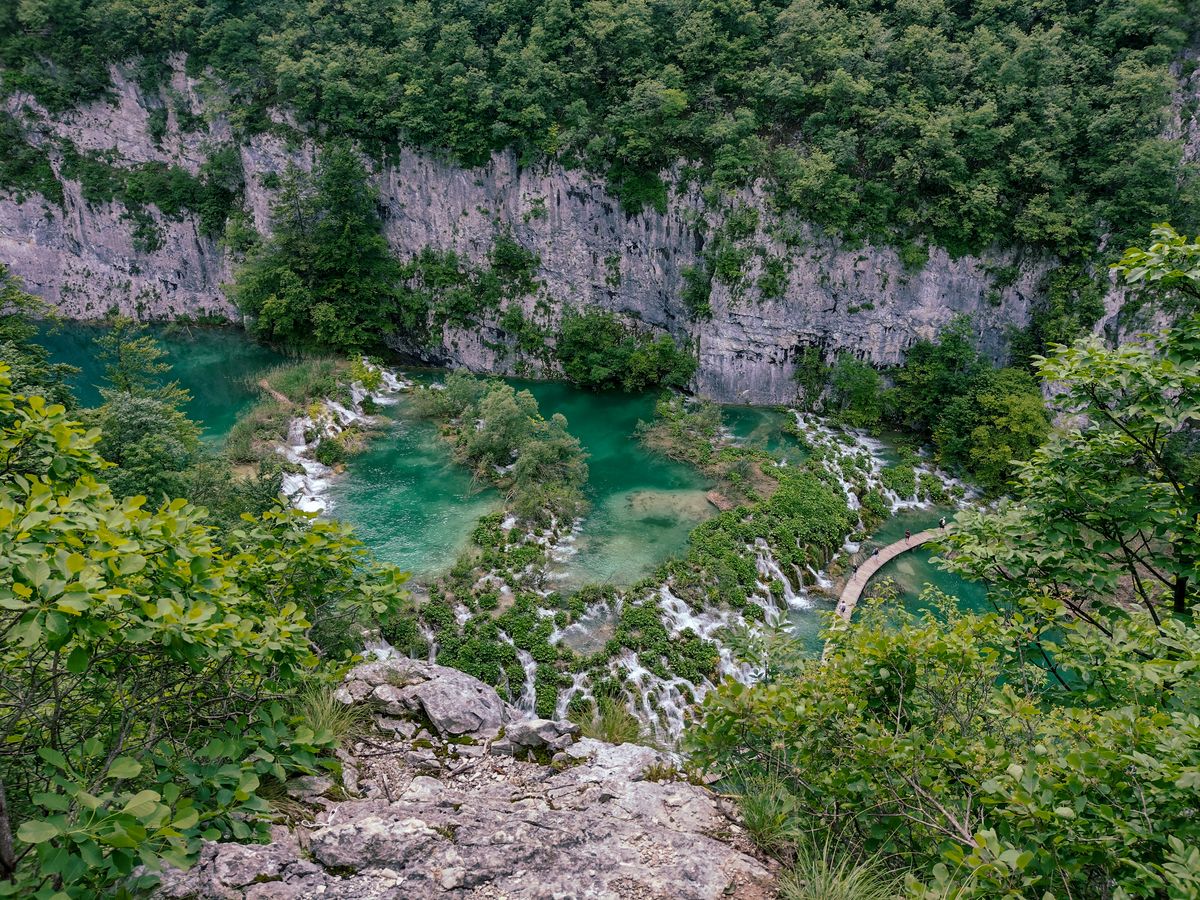
The park’s 16 lakes are divided into two distinct zones, each with different character and walking conditions. The Lower Lakes occupy the canyon section, where steep cliffs and dense boardwalk networks create the most dramatic scenery. The Upper Lakes spread across a wider, gentler landscape with more forest cover and fewer crowds. Both zones are connected by the official routes, and most visitors see at least part of each during a half-day or full-day visit.
Veliki Slap and the Lower Lakes
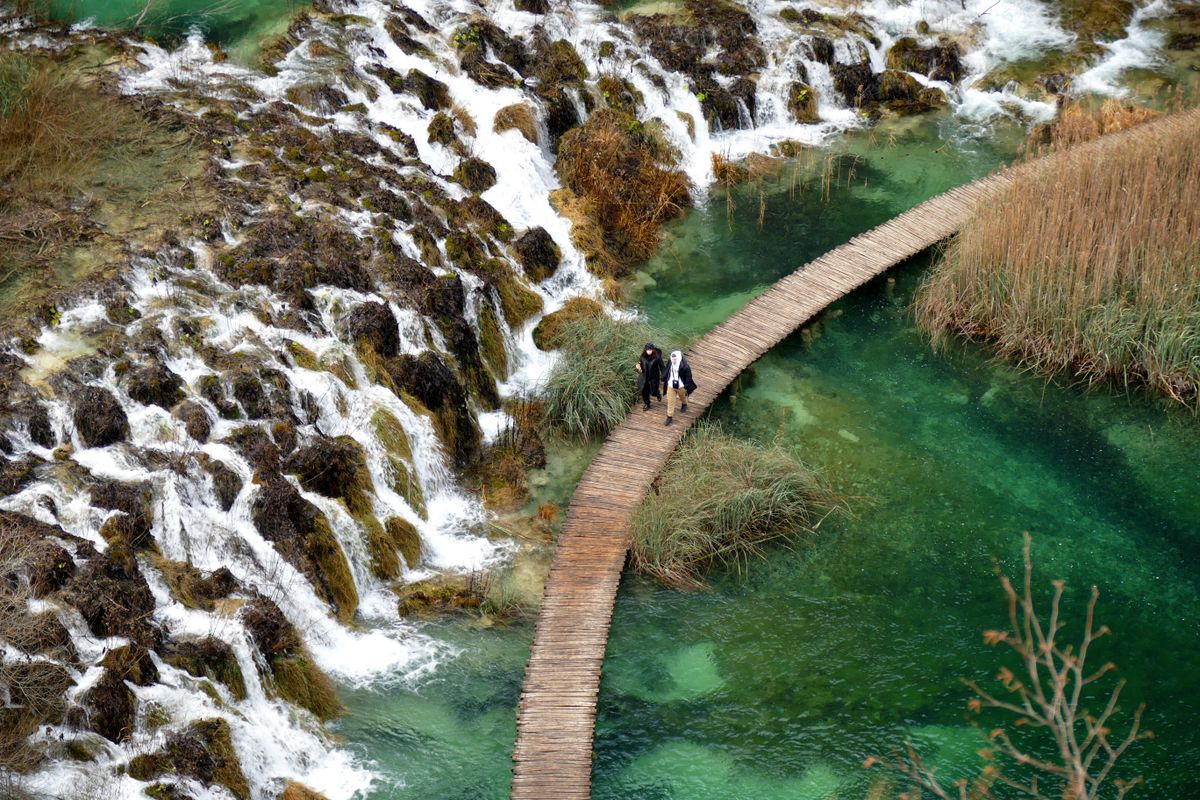
Veliki Slap, Croatia’s highest waterfall at about 78 metres, is the park’s most photographed landmark and sits near Entrance 1. The viewing platform at the base of the falls offers the classic head-on perspective. The Lower Lakes stretch upstream from Veliki Slap through Novakovića Brod, Kaluđerovac, Gavanovac and Milanovac to Lake Kozjak, with boardwalks running directly over the water and beside dozens of smaller cascades. The boardwalks here are narrow in places and can become crowded between 10am and 3pm in summer, so arriving at opening time or after 4pm gives you clearer paths and better light for photography.
The section between Kaluđerovac and Novakovića Brod is particularly striking, with a chain of falls spilling across the full width of the canyon. Trails in the Lower Lakes involve some stairs and uneven surfaces, but the main boardwalk loop is manageable for most fitness levels. Budget at least 90 minutes to walk the Lower Lakes at a comfortable pace, or two to three hours if you stop frequently for photographs.
Kozjak Lake and the Electric Boats
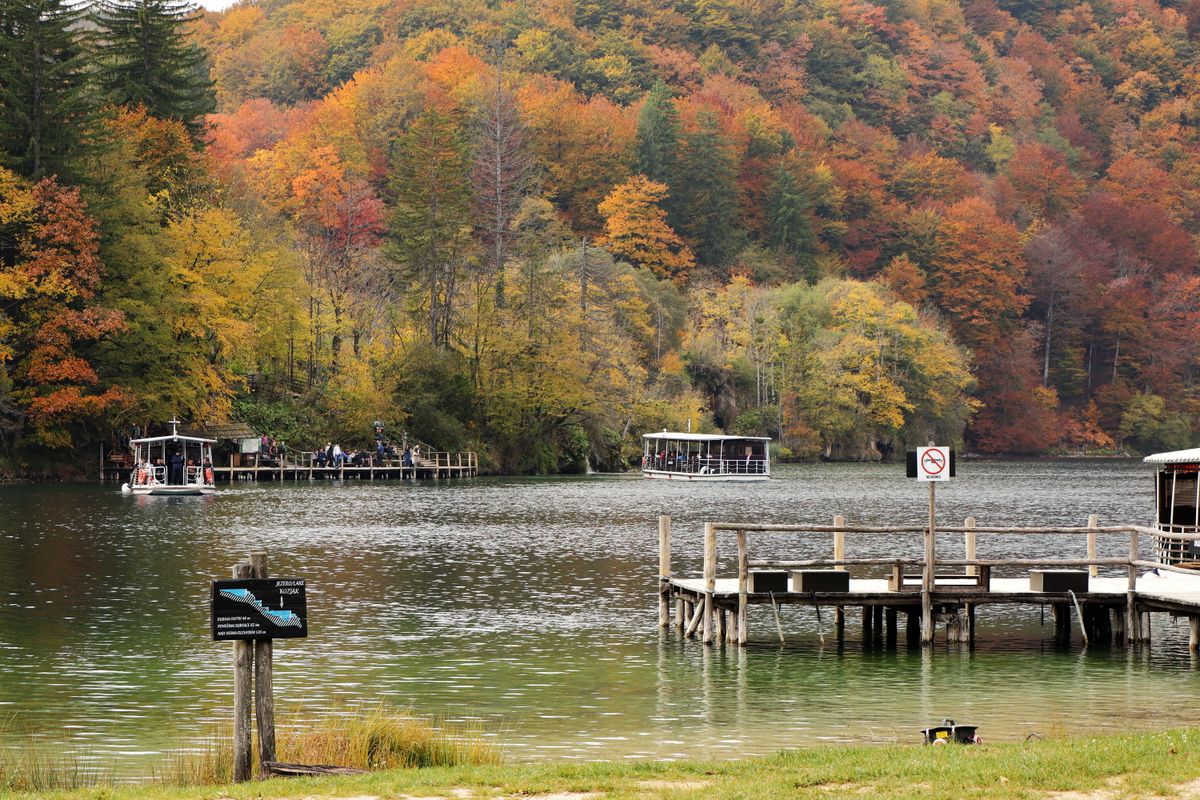
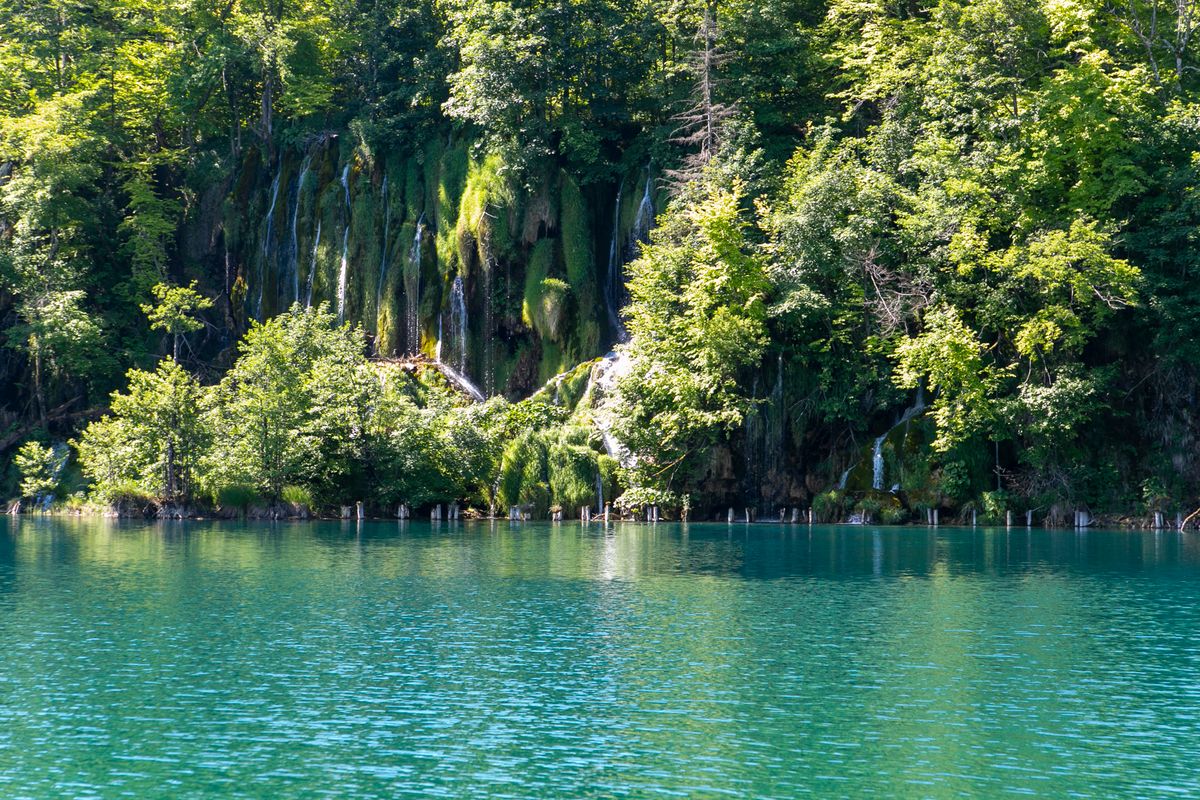
Kozjak is the largest and deepest lake in the park, separating the Lower and Upper Lakes. The park’s electric boats cross Kozjak on most official routes, carrying visitors between the boat landings. The boat ride is included in your ticket and runs frequently during the day, though queues can build during peak hours. The crossing itself offers wide views across open water and is a welcome rest for tired legs on the longer routes.
Kozjak sits at the midpoint of most longer routes, so the boat landing is a natural place to pause and check your progress. Carry water and snacks if you plan to continue into the Upper Lakes, because food stops inside the park are few. Winter ice and very high water can occasionally suspend the boats. If the boat is not running, the park usually closes the affected routes or provides an alternative path, so check the notice board at your entrance before setting out.
The Upper Lakes
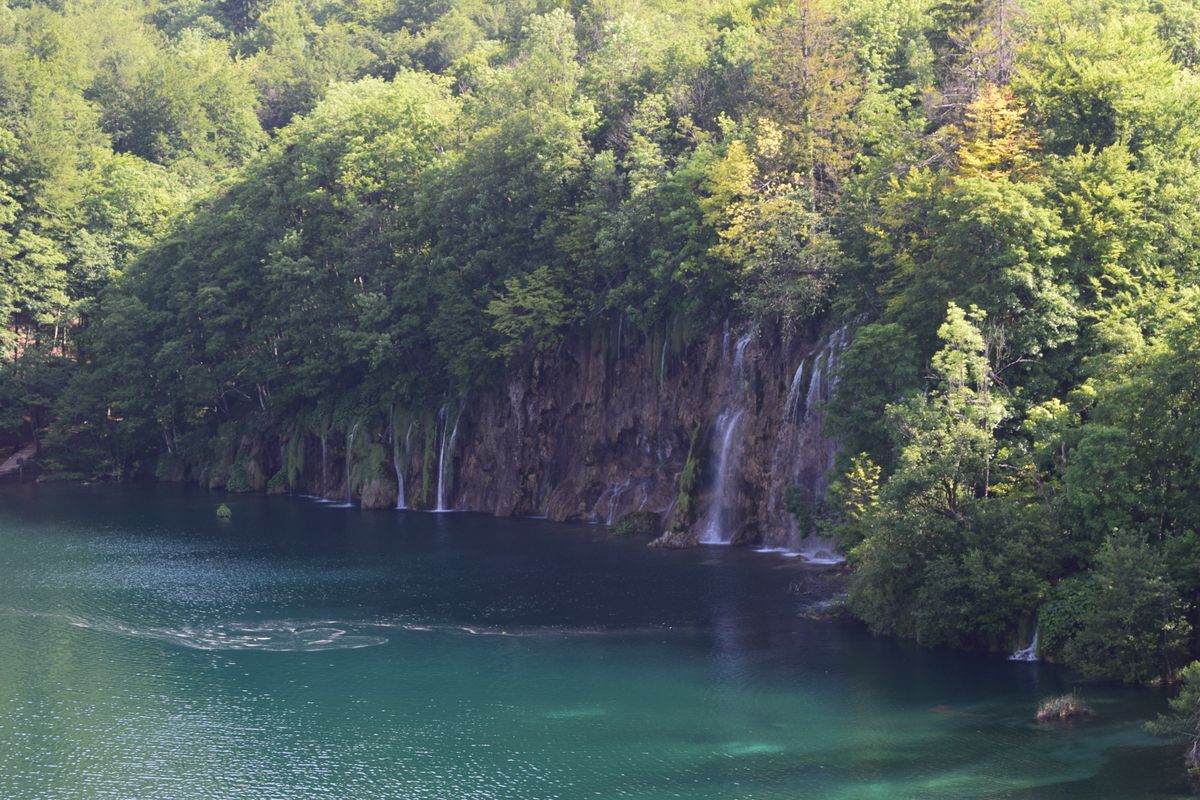
The Upper Lakes include Prošćansko, Ciginovac, Okrugljak, Vir, Galovac and Gradinsko jezero, spread across a more open, forested landscape with gentler gradients than the Lower Lakes. The trails here are wider and less crowded, with fewer dramatic viewpoints but more variety in forest and meadow scenery. The Upper Lakes are generally quieter because most short routes focus on the Lower Lakes, so visitors who walk the full circuit or start from Entrance 2 have more space to themselves.
Šupljara Cave above the Lower Lakes
Šupljara Cave sits in the cliffs of the Lower Lakes canyon, reached by a steep path and stairs from the main boardwalk. The cave is small and the interior is not developed for tourism, but the entrance offers a shaded viewpoint over the canyon. The climb is short but steep, so it is best skipped if you have limited time or prefer to stay on the level boardwalks. If you do climb up, allow an extra 20 minutes for the detour and the return to the main trail.
Plitvice Lakes Entrance 1 or 2: Where to Start
Plitvice Lakes National Park has two main entrances, each serving different parts of the trail network and offering different parking and transport options. Your ticket is valid only at the entrance you selected when booking, so it is important to choose the right one before you arrive. Entrance 1 sits at the northern end of the park near the Lower Lakes and Veliki Slap, while Entrance 2 is further south near the Upper Lakes. Both entrances have ticket validation, parking, restrooms and small shops, but the routes and starting points differ significantly.
Entrance 1: Lower Lakes and Veliki Slap First
Entrance 1, at Rastovača, is the busier of the two and the natural choice for visitors who want to see Veliki Slap and the most dramatic boardwalks first. Routes A, B and C all start here, and the descent to the canyon floor begins immediately after the entrance.
The P1 parking area is the largest in the park, but it fills early in July and August. Parking is charged by the hour, roughly €1.50 to €2.50 depending on the season, with a typical full-day cost of around €10 to €16. Payment is made at automatic booths on exit, and both cash and card are accepted.
The park’s official FAQ confirms that luggage can be left free of charge at Entrance 1, Entrance 2 and the auxiliary Flora entrance. This is particularly useful for travellers arriving by bus from Zagreb or Zadar, since many visit the park as a day trip without accommodation nearby. The intercity bus stop is within walking distance of the entrance, and the panoramic shuttle departs from a station a short walk beyond the ticket gates. If you are starting from Entrance 1 and following Route B or C, you will take the shuttle or walk to the boat landing at Kozjak Lake after completing the Lower Lakes section.
Entrance 2: Upper Lakes and Quieter Trails
Entrance 2 serves the Upper Lakes and is the starting point for Routes E, F and H. This entrance is generally quieter, with shorter queues and less crowded trails, particularly in the morning. The parking areas here offer fewer spaces than P1, but they rarely fill as early. Parking fees are the same as at Entrance 1, and the same payment system applies. Entrance 2 is next to Hotel Jezero, the main park hotel, so it is the more convenient choice for visitors staying there.
Routes starting from Entrance 2 typically take the panoramic shuttle first, then walk the Upper Lakes before descending to the Lower Lakes and returning by boat and shuttle. This sequence spreads the crowds differently and can feel less rushed, since the Upper Lakes are wider and less confined than the canyon boardwalks. If you prefer a shorter visit focused on the Upper Lakes alone, Route E covers the highlights in two to three hours. The same validation rule applies here: your ticket must match the entrance you selected when booking.
Routes and Programmes by Time Available
The park offers seven official marked routes, labelled A, B, C, E, F, H and K, each with a fixed starting entrance, distance and estimated duration. The routes are colour-coded on park maps and signposted along the trails, so it is difficult to get lost as long as you follow the markers. The shortest routes take two to three hours and focus on either the Lower or Upper Lakes, while the longest route covers most of the park and requires six to eight hours of walking. The electric boat and panoramic shuttle are included in the standard ticket wherever a route uses them.
| Route | Start | Distance | Duration | Difficulty | Highlights |
|---|---|---|---|---|---|
| A | Entrance 1 | 3,500 m | 2 to 3 hours | Easy | Lower Lakes, Veliki Slap; walking only, no boat or shuttle |
| B | Entrance 1 | 4,000 m | 3 to 4 hours | Easy | Lower Lakes, Veliki Slap, Kozjak boat crossing and shuttle |
| C | Entrance 1 | 8,000 m | 4 to 5 hours | Moderate | Lower and Upper Lakes, boat and shuttle; most popular full circuit |
| E | Entrance 2 | 5,100 m | 2 to 3 hours | Easy | Upper Lakes, short boat crossing and shuttle |
| F | Entrance 2 | 4,600 m | 3 to 4 hours | Easy to moderate | Upper and Lower Lakes with boat; check operational status |
| H | Entrance 2 | 8,900 m | 4 to 6 hours | Moderate | Upper and Lower Lakes, shuttle, boat and Veliki Slap |
| K | Entrance 1 or 2 | About 18,300 m | 6 to 8 hours | Challenging | Long walking programme around the whole lake system, no boat |
Half-Day Routes: A, B and E
Route A is the shortest option and the only route that does not use the boat or shuttle. It loops through the Lower Lakes and returns to Entrance 1, covering about 3.5 km in two to three hours. This route is ideal for visitors with limited time or those arriving late in the day, since it includes Veliki Slap and the most famous boardwalks without requiring transport coordination. The route is entirely on foot, so you can walk at your own pace without waiting for boats or shuttles.
Route B adds the Kozjak boat crossing and the panoramic shuttle to Route A, extending the visit to three to four hours. This route is the most popular half-day choice because it adds variety and reduces walking distance by using the shuttle for the return leg. Route E starts from Entrance 2 and focuses on the Upper Lakes, with a short boat crossing and shuttle ride. It is the quietest of the short routes and the best choice if you want to avoid crowds, though it skips Veliki Slap and the most dramatic canyon scenery.
Full-Day Routes: C, H and K
Route C is the classic full circuit, starting from Entrance 1 and covering both the Lower and Upper Lakes in four to five hours. This route is the most popular among first-time visitors because it includes all the major sights, uses both the boat and the shuttle, and provides a balanced mix of canyon and forest scenery. The route is moderate in difficulty, with some stairs and uneven sections, but it does not require advanced fitness. Allow extra time for photography and rest stops, particularly if you are visiting in summer heat.
Route H starts from Entrance 2 and covers nearly 9 km in four to six hours. This route visits the Upper Lakes first, then descends to the Lower Lakes and Veliki Slap before returning by shuttle and boat. It is less crowded than Route C because it starts from the quieter entrance, and it offers more time in the forest sections.
Route K is the full-day hiking programme, covering about 18 km in six to eight hours without using the boat. This route is for experienced hikers who want to see the widest range of the park and do not mind a long day on foot. It takes in remote viewpoints that the shorter routes miss, and it requires good fitness and sturdy footwear.
Plitvice Lakes Tickets: Prices and Booking
Plitvice Lakes National Park uses seasonal pricing, with adult tickets ranging from €10 in winter to €40 in peak summer. In summer, prices also vary by time of day, with a lower rate for late-afternoon entry. Tickets include admission, the electric boat and the panoramic shuttle, so there are no additional charges for transport within the park. Children under seven enter free, and children aged 7 to 18 and students pay reduced prices.
| Season | Adult ticket | Notes |
|---|---|---|
| 1 June to 30 September, daytime entry | €40 | Book an entrance and arrival time online |
| 1 June to 30 September, late entry | €25 | After 4pm in June to August, after 3pm in September |
| April, May and October | €23 | Shorter hours than summer |
| November to March | €10 | Some trails and services may close |
These are the official 2025 prices; check the current figures before you go. Buy tickets through the official webshop where possible, particularly from June through September, when you book an entrance and arrival time in advance. On-site ticket sales can take longer and may sell out during peak hours, leaving you with a long wait or no entry at all. Once purchased, tickets must be stored on a mobile device or printed out, and you must validate your ticket at the entrance you selected during purchase, within the time period specified. Tickets are non-transferable between entrances, so double-check your entrance choice before completing your booking.
Free and Discounted Categories
Children under seven enter free year-round, as do visitors with disabilities who present valid documentation. Students must show a valid student ID at the entrance to receive the discounted rate, and children aged 7 to 18 may be asked for proof of age. Groups should be announced in advance through the park, and group conditions do not apply to tickets bought on the day without prior arrangement.
Two-day tickets are also available, and they allow you to split your visit across consecutive days. This option is useful if you want to walk Route K or visit at different times of day for photography, but it is rarely necessary for a standard visit. Most visitors see the main sights comfortably in a single day, and staying overnight near the park is more about convenience and early access than about needing a second full day on the trails.
How to Get to Plitvice Lakes
Plitvice Lakes National Park sits roughly 130 km south of Zagreb and 120 km northeast of Zadar, in a mountainous region with no railway station. The nearest major airports are Zagreb Franjo Tuđman Airport, approximately 140 km away by road, and Zadar Airport, approximately 130 km away. Zagreb generally offers more international connections, while Zadar is more convenient for visitors combining the park with the Dalmatian coast. Most visitors reach the park by bus or car, and journey times vary with traffic and seasonal schedules.
From Zagreb by Bus and Car
Long-distance buses from Zagreb to Plitvice Lakes take about two to three hours. FlixBus runs the route among other operators, with multiple departures daily during the summer season and fewer services in winter. Buses stop near both Entrance 1 and Entrance 2, so confirm your stop with the driver when boarding. Tickets can be booked online or bought at the Zagreb bus station, and prices are typically around €10 to €15 one way.
Driving from Zagreb takes about two to 2.5 hours, depending on traffic. Follow the A1 motorway south and leave near Karlovac, then follow signs toward the D1 route and Plitvice. The drive is straightforward, with clear signage for the final 50 km. If you are driving, aim to arrive early in summer to secure a parking space at Entrance 1, or use Entrance 2 if P1 is full.
From Zadar and Split
Buses from Zadar generally take about 1.5 to 2.5 hours, depending on the service and intermediate stops. Zadar is the most convenient airport for visitors combining Plitvice with the Adriatic coast, and bus connections are frequent during the summer months. Driving from Zadar takes about 1.5 to two hours, crossing the Velebit mountain range.
From Split, buses take roughly 3.5 to five hours, and driving normally takes about three to 3.5 hours. Split is less convenient than Zadar for a Plitvice day trip, but it is manageable if you are willing to start early or stay overnight near the park.
There is no railway station at Plitvice Lakes National Park. The nearest practical railway stations are Karlovac or Josipdol, but the remaining journey requires a bus, taxi or private transfer. Travelling entirely by train is therefore inconvenient, and most visitors who arrive by public transport use long-distance buses instead. If you are arriving by train to Zagreb, plan to continue by bus or rental car rather than attempting a rail connection to the park.
Best Time to Visit Plitvice Lakes
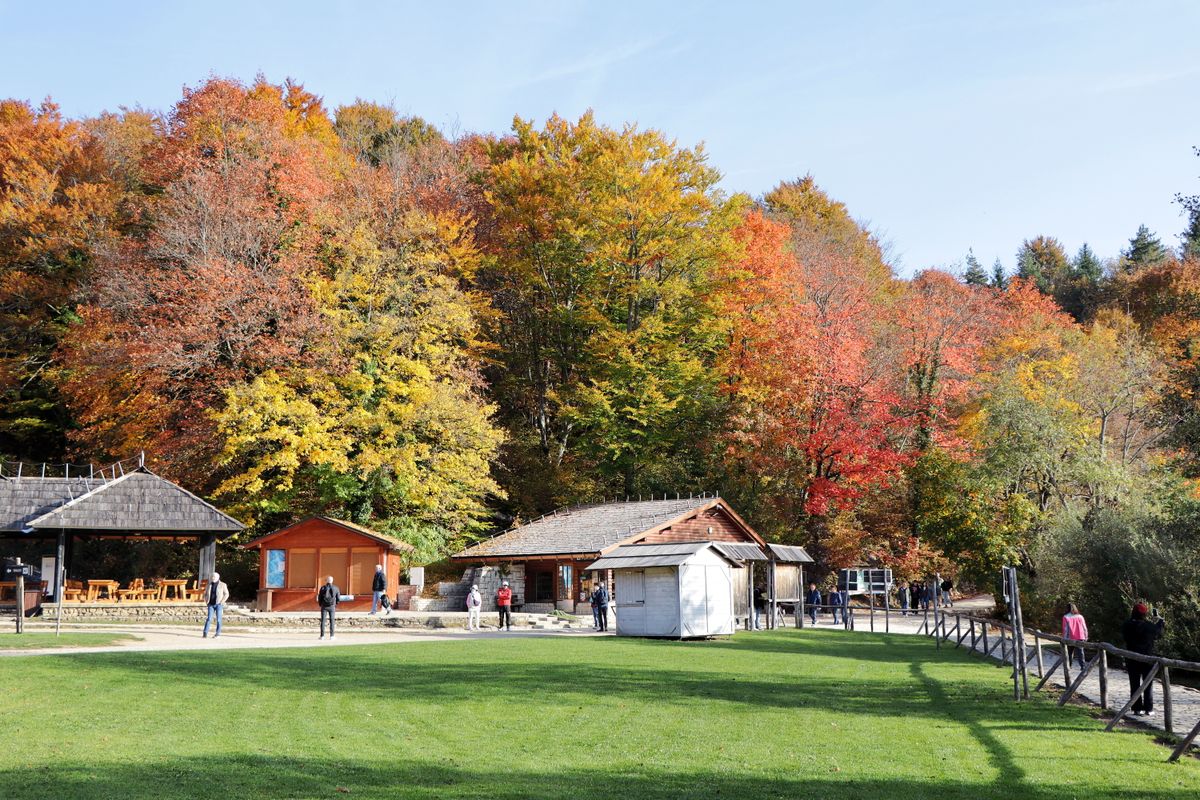
May, June and September are usually the best balance of pleasant weather, flowing waterfalls and manageable crowds. Spring water levels are highest in April and May, when snowmelt feeds the lakes and the waterfalls are at their most powerful. Autumn colour peaks in late September and October, when the beech and maple forests turn gold and red. Both seasons offer comfortable walking temperatures and fewer tour groups than midsummer, though opening hours and transport services may be reduced in the shoulder months.
| Season | Advantages | Disadvantages | Typical weather |
|---|---|---|---|
| April to May | High water, spring flowers, fewer crowds | Cooler temperatures, some trails may close after rain | 10 to 20°C, occasional rain |
| June to September | Longest hours, all routes open, warmest weather | Crowded boardwalks, highest prices, peak parking demand | 20 to 30°C, occasional thunderstorms |
| October | Autumn colour, moderate crowds, lower prices | Shorter hours, reduced bus services | 10 to 18°C, increasing rain |
| November to March | Snow and ice scenery, lowest prices, solitude | Some trails and entrances closed, frozen waterfalls, limited transport | -5 to 10°C, snow and ice |
Summer Crowds and Timing
July and August are the busiest and most expensive months. The Lower Lakes boardwalks become congested between 10am and 3pm, and parking at Entrance 1 fills early most days. If you are visiting in summer, arrive at opening time, reserve your ticket and entrance online, and expect queues on the most popular sections. Late-afternoon entry is a good alternative if you do not mind shorter daylight hours, since the late-entry ticket is significantly cheaper and the crowds thin after 4pm. The park opens at 7am during summer, so an early start gives you the boardwalks almost to yourself and the best light for photography.
Winter and Seasonal Closures
Winter can be atmospheric, with snow and frozen waterfalls, but some trails, entrances and transport services may close or operate on shortened schedules. Heavy rain, storms, ice and high water can also cause temporary closures at any time of year. Check the official park notice shortly before travelling, and telephone ahead if conditions are uncertain, because trail closures can be announced at short notice. If you are travelling from abroad and cannot easily reschedule, consider visiting in the shoulder seasons rather than risking a winter closure.
Park Rules and Practical Tips
Stay on marked trails and boardwalks at all times. Swimming, fishing, boating outside authorised services, feeding animals, picking plants and damaging travertine barriers are prohibited. Do not step into the lakes or onto fragile barriers, even for photographs, and keep dogs on a lead at all times. Carry your ticket throughout the lake zone and hiking trails, since park staff check tickets at various points along the routes. Follow temporary closures, do not climb barriers and do not fly drones without permission.
What to Bring
Wear shoes with grip, since boardwalks can be wet and slippery, particularly after rain or in the morning dew. Sturdy walking shoes or trail runners are more useful than sandals, and waterproof footwear is recommended in spring and autumn. Bring rain protection year-round, since weather changes quickly in the mountains and afternoon thunderstorms are common in summer. Carry water and snacks, particularly if you are walking one of the longer routes, since food inside the park is limited and relatively expensive. A packed lunch is practical, provided you take all waste away with you.
Bring a payment card or cash for parking, small purchases and meals outside the park. Most facilities accept cards, but some village guesthouses and small cafes prefer cash. Carry your ticket on your mobile device or as a printed copy, and keep it accessible throughout your visit. Sunscreen and a hat are essential in summer, and insect repellent is useful in the forested Upper Lakes during spring and early summer.
Accessibility
The park is not fully accessible, and many routes include stairs, slopes and uneven surfaces. Some flat boardwalk sections near the water are easier to manage, but the descent from Entrance 1 and most of the Upper Lakes trails are not independently accessible for wheelchair users. Visitors with limited mobility should contact the park in advance to ask which sections, boats and shuttles suit their needs.
Where to Stay and Eat
Accommodation near Plitvice Lakes ranges from simple village guesthouses to the main park hotel, with prices varying sharply by season. Staying overnight near the park allows you to arrive early and avoid the day-trip crowds, and it is the only practical option if you are visiting by bus and want to walk one of the longer routes. The villages of Rastovača, Mukinje and Jezerce sit within a few kilometres of the park entrances and offer private apartments and guesthouses, with rooms starting around €40 to €80 per night outside peak season and rising to €80 to €150 or more in summer.
Hotels and Campsites
Hotel Jezero is the main park hotel, located next to Entrance 2 with direct access to the Upper Lakes. The hotel is convenient but relatively expensive, with standard rooms typically costing €100 to €200 per night depending on the season. Campsites provide lower-cost alternatives: Camp Korana lies a few kilometres north of Entrance 1, and Camp Borje is south of the park. Both are seasonal, usually open from spring to autumn, so check availability before planning a camping trip outside the main summer months.
Staying in the nearby town of Slunj, about 35 km north of the park, offers more dining and accommodation options at lower prices, and it allows you to combine Plitvice with a visit to Rastoke. Slunj is well connected by road and has several small hotels and guesthouses, though it requires a car or taxi to reach the park. Staying in Zadar or Zagreb and visiting Plitvice as a day trip is also common, particularly for travellers who prefer city accommodation and do not mind an early start.
Food and Meal Costs
Food inside the park is limited to a few cafes and snack bars near the entrances and boat landings, with meals costing roughly €10 to €20 for a casual plate and €3 to €5 for coffee or a snack. Hotel restaurants charge more, and the quality is generally average. Carrying water and a packed lunch is more practical and allows you to eat on the trail without losing time.
Restaurants in the villages near the park offer better value and more variety, with traditional Croatian dishes such as grilled meat, fish and stews widely available. Budget around €15 to €30 for a sit-down meal in a village restaurant, and book ahead in summer if you are staying near the park and want to eat out after your visit.
Nearby: Rastoke and Barać Caves
Rastoke, near Slunj, is about 35 km north of Plitvice and makes an easy half-day stop en route from Zagreb. The village sits at the confluence of the Slunjčica and Korana rivers, where historic watermills perch among small waterfalls and channels. Rastoke is often called “Little Plitvice” for its similar travertine formations and turquoise water, though it is much smaller and can be explored in an hour or two.
The village has a few restaurants and guesthouses. Walking through it is free, though some privately run mills and viewing areas charge a small fee. Rastoke is particularly photogenic in the morning or late afternoon, when the light is softer and the tour buses have left.
Barać Caves, near Rakovica, are roughly 20 km from Plitvice and offer a short underground experience for visitors interested in the region’s geology. Guided visits explore limestone chambers and explain the area’s karst processes, with tours lasting about 30 to 40 minutes. The caves are smaller and less developed than major show caves elsewhere in Croatia, but they are convenient if you have extra time and want to break up a long drive. Check opening dates before going, since the caves operate seasonally.
Frequently Asked Questions
Can you swim in Plitvice Lakes?
No, swimming in Plitvice Lakes is prohibited year-round. The lakes are protected as a UNESCO World Heritage site, and swimming damages the fragile travertine barriers and disturbs the ecosystem. Fines are enforced for rule violations, and park staff patrol the boardwalks regularly. If you want to swim, head to the Adriatic coast or to one of the rivers outside the park boundaries.
Is Entrance 1 or 2 better?
Entrance 1 is better if you want to see Veliki Slap and the most dramatic canyon boardwalks first, and it is the starting point for the most popular routes. Entrance 2 is better if you prefer quieter trails, want to start with the Upper Lakes, or are staying at Hotel Jezero. Both entrances have the same ticket prices and similar facilities, so the choice depends on your route preference and accommodation location.
How long should you spend at Plitvice Lakes?
Most visitors spend four to six hours in the park, which is enough time to walk Route C and see both the Upper and Lower Lakes at a comfortable pace. If you have only two to three hours, Route A or B covers the Lower Lakes and Veliki Slap without rushing. A full day is only necessary if you plan to walk Route K or want to spend extra time photographing the trails and waterfalls.
Is one day enough for Plitvice Lakes?
Yes, one day is enough to see the main sights and walk one of the longer routes. Most visitors complete Route C in four to five hours, leaving time for breaks, photography and a meal before or after the visit. Two days is only necessary if you want to walk multiple routes, visit at different times of day for photography, or explore the park at a very slow pace.
Is it worth visiting Plitvice Lakes in winter?
Winter visits can be atmospheric, with snow and frozen waterfalls, but some trails, entrances and transport services may close or operate on shortened schedules. If you are flexible with dates and can reschedule if conditions are poor, winter is worth considering for the solitude and low prices. If you are travelling from abroad and cannot easily change plans, visit in the shoulder seasons instead to reduce the risk of closures.
What is Route C at Plitvice Lakes?
Route C is the classic full circuit, starting from Entrance 1 and covering both the Lower and Upper Lakes in four to five hours. It is the most popular route among first-time visitors because it includes all the major sights, uses both the electric boat and the panoramic shuttle, and provides a balanced mix of canyon and forest scenery. Route C is moderate in difficulty and suitable for most fitness levels.
Plan Your Visit
Plitvice Lakes National Park rewards early arrivals and advance planning. Book your ticket through the official webshop, choose your entrance based on your preferred route, and arrive at opening time if you are visiting in summer. Wear sturdy shoes, bring rain protection and carry water, since the trails are long and the weather can change quickly. Allow at least four hours for a full visit, or two to three hours if you are short on time. The park is one of Croatia’s most visited sites for good reason, and seeing it early in the day or in the shoulder seasons gives you the boardwalks and waterfalls at their best.
Planning more of Europe? See our guides to Geirangerfjord, Cappadocia’s hot air balloons and the Cinque Terre.