

In this guide 25
- Essential Visitor Information
- Where to Access the Water
- The Floating and Mineral Mud Experience
- Getting to the Dead Sea from Jordan’s Main Hubs
- Environmental Reality and Shoreline Changes
- Dead Sea Jordan Day-Trip Combinations
- Practical Packing and Attire Advice
- Frequently Asked Questions About Visiting the Dead Sea in Jordan
- Conclusion
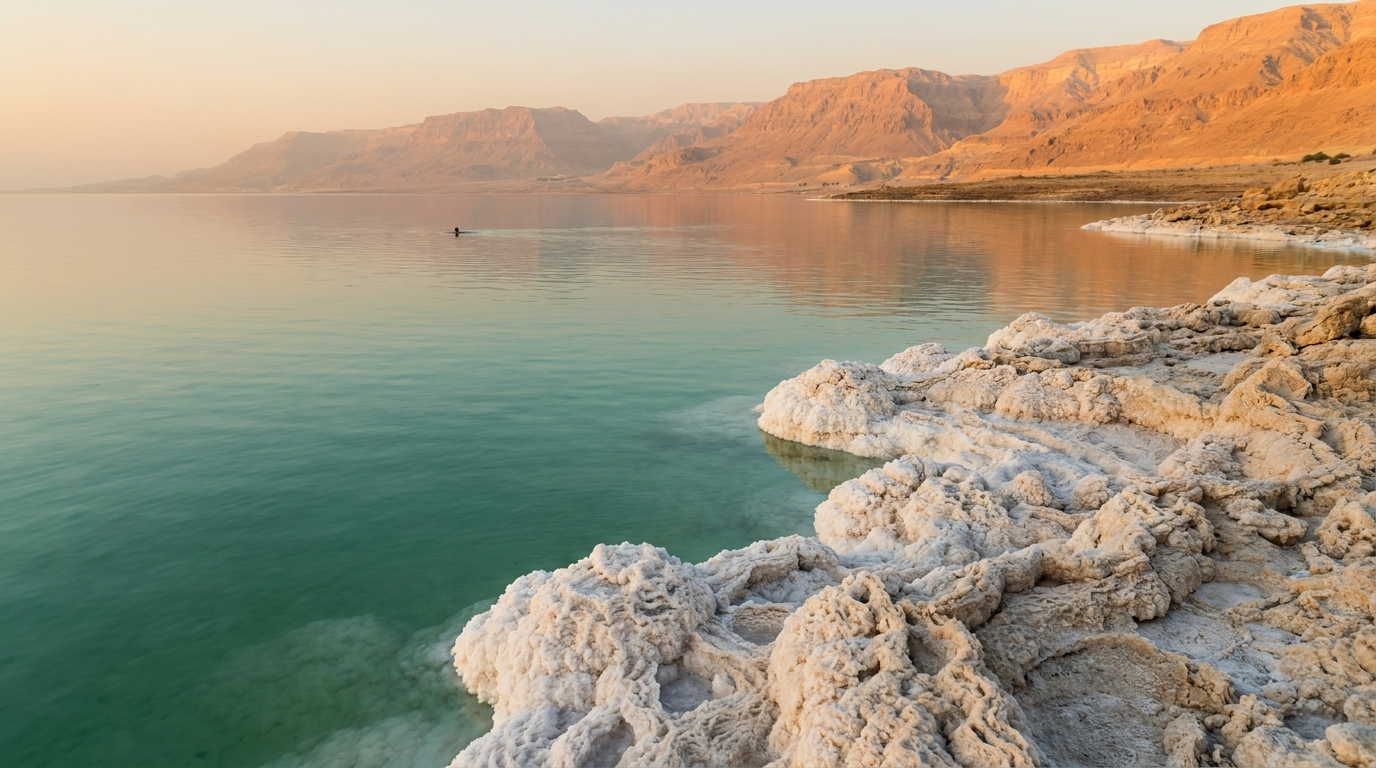
A Dead Sea Jordan trip sits at the heart of any western Jordan itinerary: the shore lies about 440 metres below sea level, the lowest land on Earth, and the water drops by more than a metre a year. Floating in hypersaline water requires no swimming skill, but it does demand strict safety discipline: keep your face above the waterline, limit each float to 10 to 15 minutes, and rinse thoroughly with fresh water afterward.
Most visitors access the shoreline through private resort day passes along the Sweimeh hotel strip or through the public Dead Sea Tourist Beach, which has pools and restaurants but fewer extras. The drive from Amman takes about an hour, making the Dead Sea practical as a day trip or as a one-night stopover between the capital and Petra.
Some links in this guide are affiliate links. If you book through one, Roamdusk may earn a commission at no extra cost to you. It never decides what we recommend.
Essential Visitor Information
Planning a trip to Jordan’s Dead Sea shore starts with understanding seasonal conditions, entry costs and what the Jordan Pass covers. The lake’s extreme salinity and the region’s desert climate create a unique environment that rewards careful preparation.
Best Time for a Dead Sea Jordan Trip
March to May and September to November deliver the most comfortable balance of warm water and manageable air temperatures. April and October are particularly strong shoulder-season choices, with average daytime highs of about 30 to 32°C. From June to August average highs reach 38 to 40°C and heatwaves push past 40°C, making outdoor activity uncomfortable away from the water, though resort pools and air-conditioned lounges make a short visit possible. December to February is mild, with highs of about 20 to 22°C.
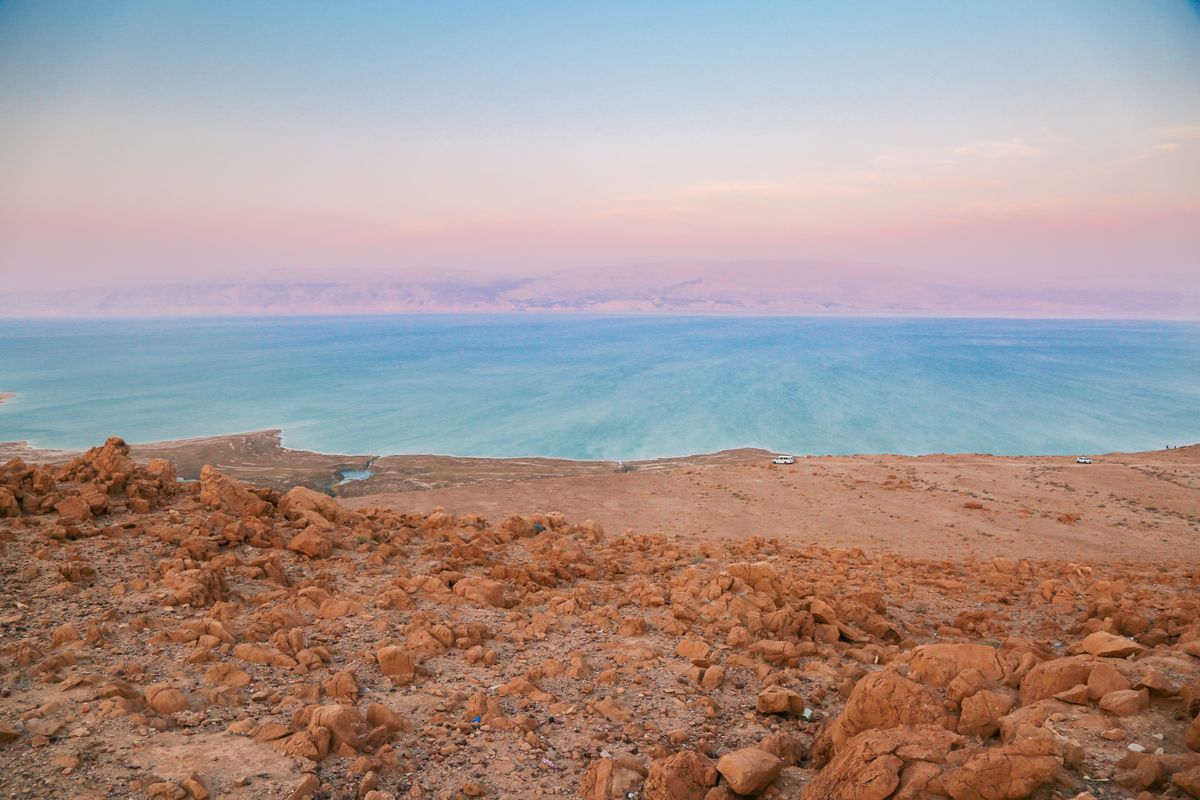
From autumn to spring, heavy rain in the highlands can produce sudden flood surges in canyon systems, including routes around Wadi Mujib, so avoid water-based hikes during or immediately after storms and follow local closures. The floating experience itself remains possible year-round, but the walk from the car park to the shoreline is more pleasant in spring and autumn. Sunset is exceptional in any season, with the sun dropping behind the hills of the West Bank and Israel across the water.
Entrance Fees and What the Jordan Pass Does Not Cover
The Dead Sea Tourist Beach, the public beach on the Jordanian shore, reopened in May 2026 under the Jordan Free and Development Zones Group, with a sandy beach, four swimming pools, restaurants, shops and parking. Its entry fee is low, but check the current rate for foreign visitors at the gate, and ask whether showers and lifeguards are available that day.
Hotel day passes cost more. The Dead Sea Spa Hotel is the cheapest at about JOD 20 per adult for beach and pool access, the Hilton charges about JOD 35 and the Marriott about JOD 75, with higher prices at weekends. Mövenpick’s Day Escape packages, which combine pool and private-beach access with a dining credit, cost roughly JOD 55 to 70 per adult. Kempinski Hotel Ishtar does not publish a day-pass price and arranges day use on request. O Beach, a beach club, charged about JOD 20 per adult in 2025, with lunch, towels and lockers extra.
The Jordan Pass does not cover Dead Sea beach entry, hotel day-use passes, resort pools, spa treatments or transport. It remains valuable for Petra, Jerash and other archaeological sites, but budget separately for the Dead Sea. It does not cover Mount Nebo (JOD 3) or St George’s Church in Madaba (JOD 2) either. Confirm the current beach tariff, taxi quote, hotel day-pass inclusions and restaurant menu before travelling, because weekend supplements and child rules vary by property.
Where to Access the Water
The Jordanian Dead Sea shoreline is concentrated along the eastern shore near Sweimeh, about 50 to 55 kilometres southwest of Amman. Access is mainly through private hotels, beach clubs and managed public beaches rather than a national park, so your choice of entry point determines the facilities, crowd levels and cost.
Sweimeh Hotel Strip and Resort Day Passes
The Sweimeh corridor hosts the majority of Dead Sea Jordan resorts, including Mövenpick, Marriott, Hilton, Kempinski, Crowne Plaza, Holiday Inn and the Dead Sea Spa Hotel. Each property offers a controlled shoreline section, freshwater showers, changing rooms, pools and towels, though inclusions differ. Kempinski Hotel Ishtar is the most upscale option, with day use arranged on request, and Mövenpick sells its Day Escape packages with a dining credit and optional spa access.
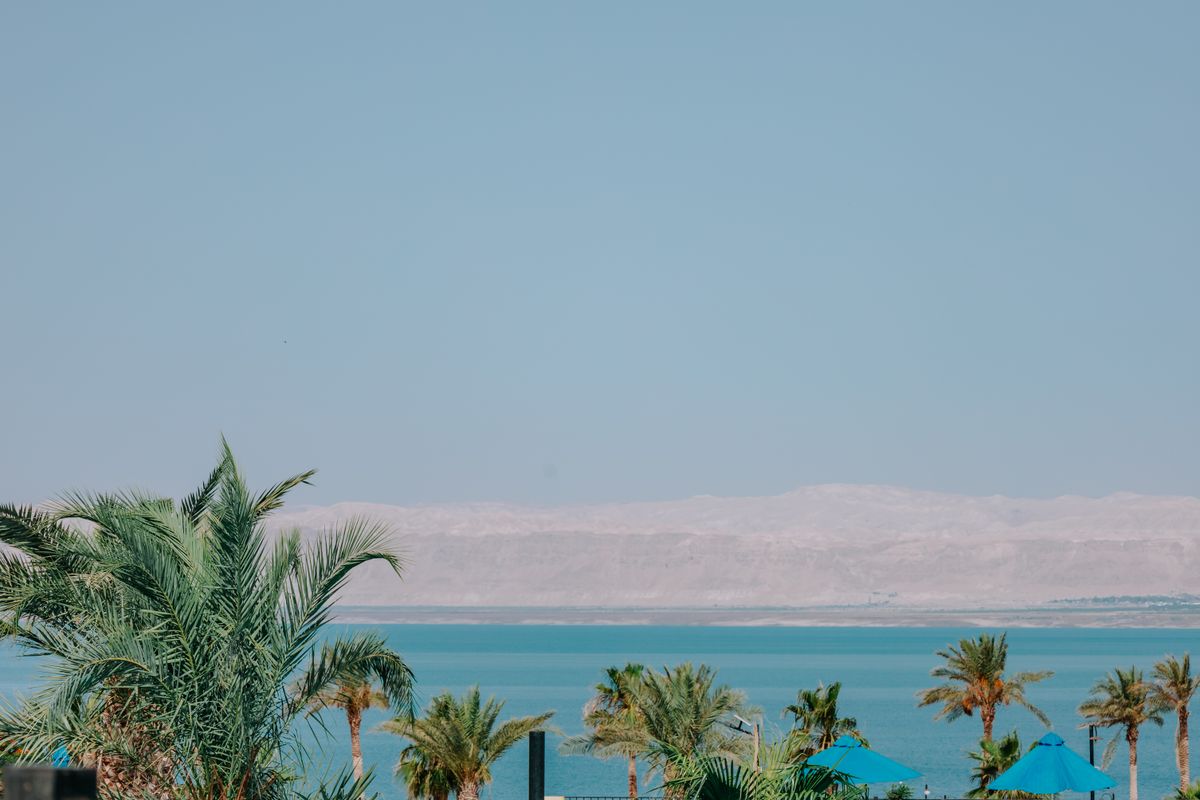
Resort beaches are maintained, with lifeguards on duty, marked entry points and immediate access to fresh water. The pools provide a break from the salt, and most properties have restaurants, lounges and shaded areas. Booking ahead is recommended during peak season and weekends, especially for properties that limit day-pass numbers to protect the guest experience. Check whether the quoted price includes lunch, a beverage credit, spa access or just the beach and pool, because packages vary.
Public Beach Access and Budget Realities
The Dead Sea Tourist Beach is the lowest-cost managed option on the Jordanian shore, with a low entry fee, pools and restaurants since it reopened in May 2026; towels and loungers may cost extra. Freshwater shower availability is essential for rinsing salt after floating, so confirm this before arrival. Public beach opening times, facilities and maintenance levels can change, and some previously popular sites have closed or been affected by shoreline recession and sinkhole formation.
Budget travellers can stay in Amman or Madaba and make a day trip to the Dead Sea, but should add return transport and beach admission to the cost. A restaurant meal at a resort commonly costs more than an inexpensive local meal in Amman or Madaba, so bring snacks or eat before arrival if you are using a public beach without dining facilities.
The Floating and Mineral Mud Experience
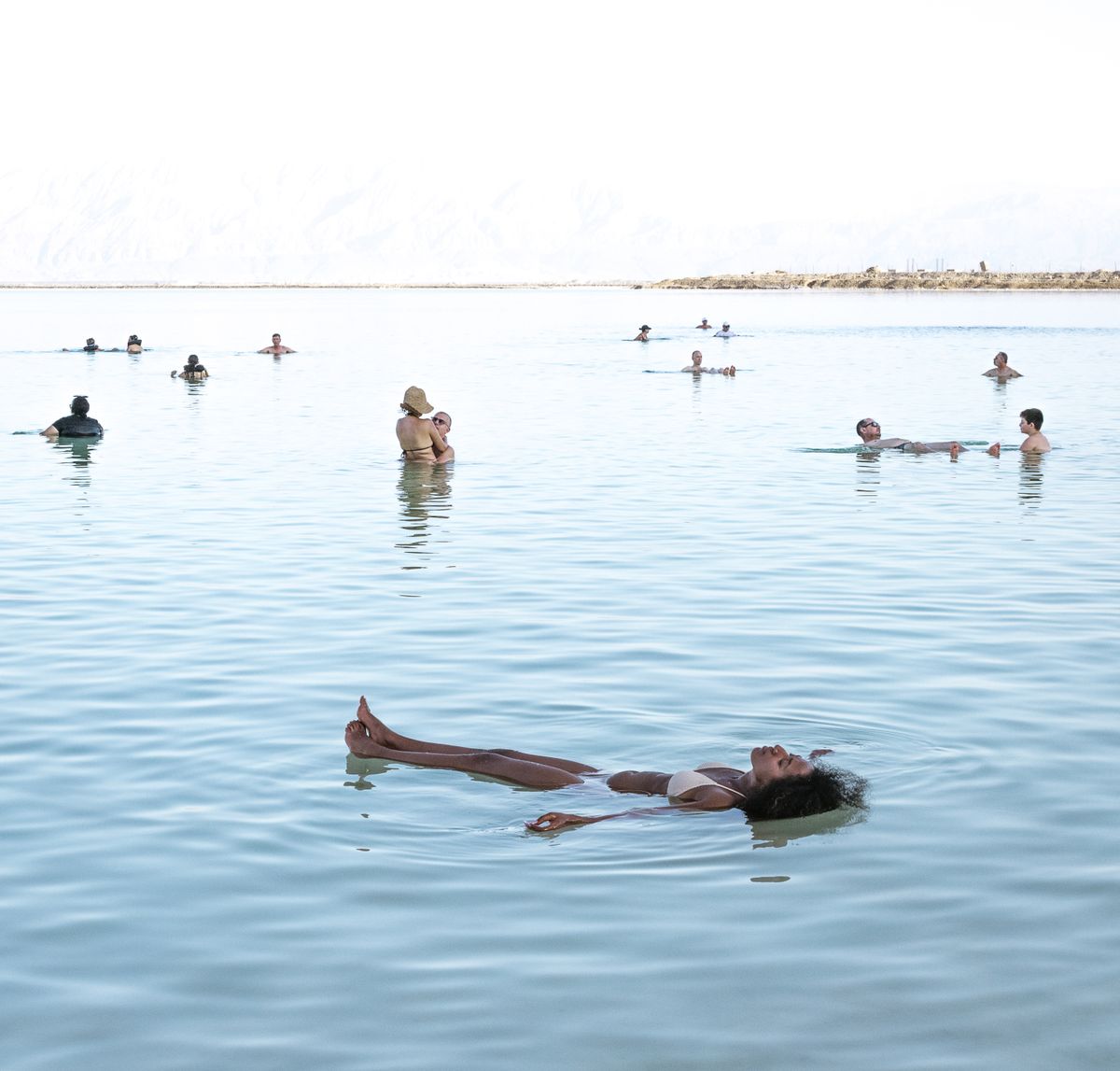
Floating in the Dead Sea is unlike anything else: the water’s extreme salinity makes normal swimming impossible, but buoyancy is so strong that you float effortlessly on your back. The experience is safe when you follow the rules, and dangerous when you do not.
How to Float Safely in the Dead Sea
Enter only at a designated, managed beach while its lifeguard or operator is on duty. Walk in slowly, careful not to splash, and keep the water away from your eyes and mouth. When you reach about waist depth, simply sit back and you will float. Do not dive, jump, splash, swim face down, immerse your head or swallow the water. Avoid vigorous kicking and forceful strokes, because these movements can send concentrated brine toward your eyes and mouth. Limit each float to around 10 to 15 minutes, then leave the water, rinse thoroughly with fresh water and drink plain water.
If Dead Sea water enters your eyes, leave the water immediately, alert the lifeguard or first-aid team, and rinse the affected eye with plenty of clean, lukewarm, gently flowing water for at least 20 minutes. Hold the eye open and do not rub it. Seek urgent medical care for severe pain, blurred or changed vision, marked light sensitivity or symptoms that continue after rinsing.
Do not shave or wax for at least 24 to 48 hours before entering, because salt water stings intensely on irritated skin. Cover cuts with a secure waterproof dressing or stay out entirely, because the safest choice with an open wound is to avoid natural water. Wear sturdy water shoes to protect your feet against sharp salt crusts and rocky patches.
Applying and Rinsing Mineral Mud
Many visitors apply Dead Sea mud to the skin before bathing, either from natural deposits near the shore or from mud stations provided by resorts. The mud is rich in minerals and is traditionally used for skin treatments, though scientific evidence for health benefits varies. Apply a thin layer to the body, let it dry for a few minutes in the sun, then rinse it off in the lake or with fresh water. Do not apply mud to your face near your eyes, and wash your hands before touching your face.
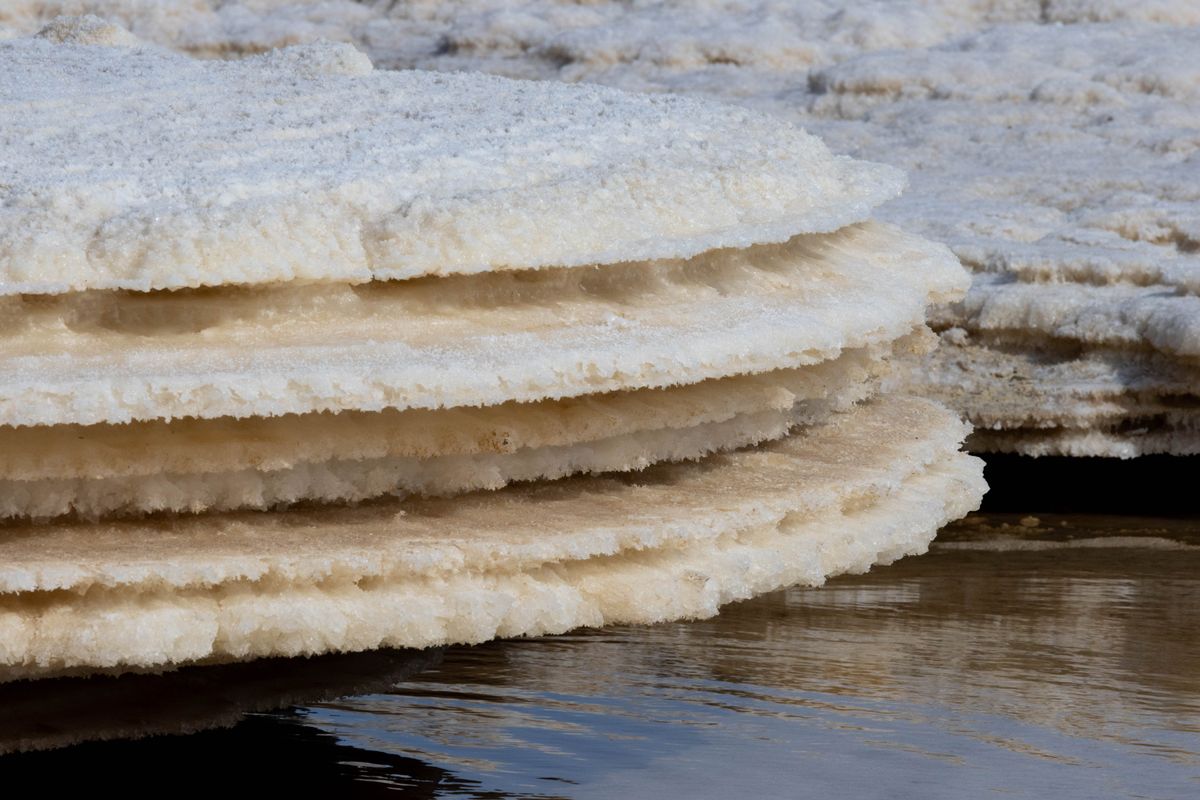
Resort spas offer professional mud treatments, massages and mineral-based products, usually as paid extras beyond the day-pass price. If you are using a public beach, check whether mud is available or bring your own from a local shop. Rinse all salt and mud from your skin and hair after leaving the water, because dried salt can irritate and the minerals can stain clothing and towels.
Getting to the Dead Sea from Jordan’s Main Hubs
The Dead Sea Jordan resort area is accessible by road from Amman, Queen Alia International Airport, Madaba, Petra and Aqaba. There is no passenger train service and ordinary minibuses are slow and indirect, so taxis, private drivers and rental cars are the most practical options, alongside the JETT tourist bus from Amman.
From Queen Alia International Airport and Amman
Queen Alia International Airport sits south of Amman, roughly 67 kilometres from the Sweimeh resort strip. The drive takes about an hour; allow 60 to 90 minutes from the terminal. Use an airport taxi, pre-arranged hotel transfer or rental car, because no public bus runs directly from the airport to the hotels.
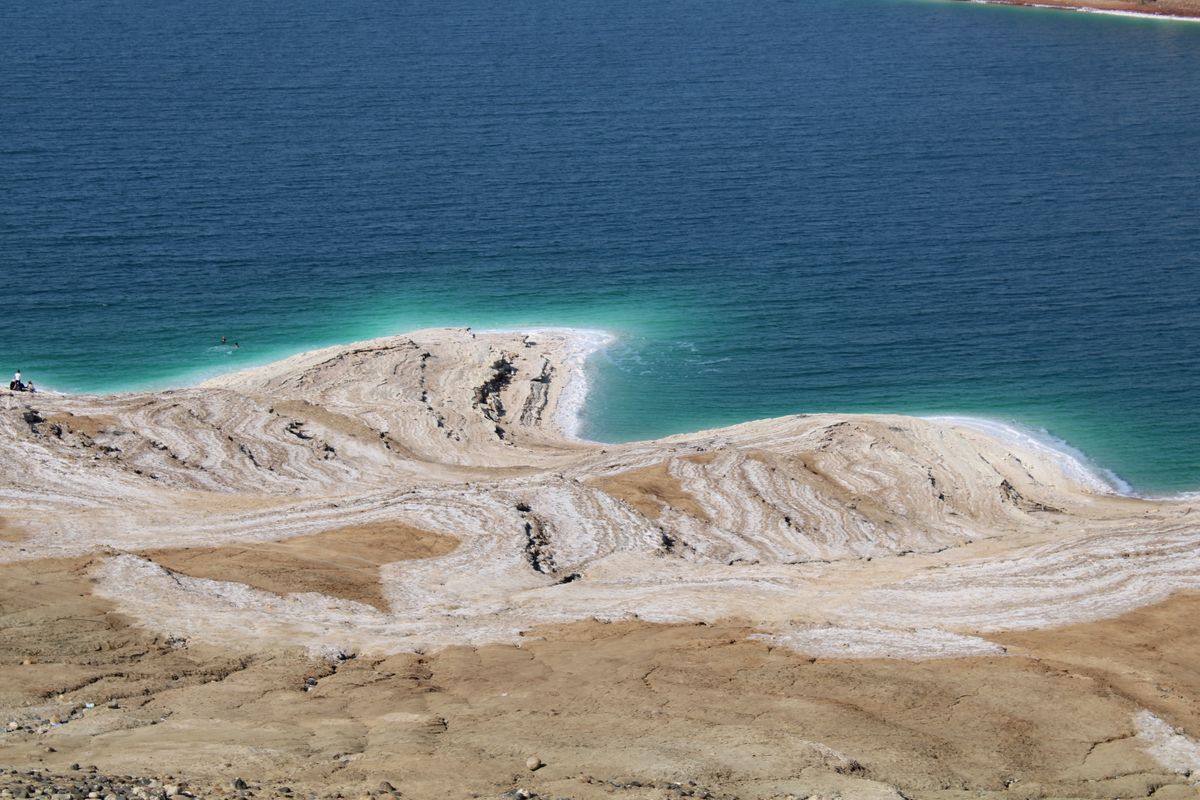
From Amman city centre, the drive to the Dead Sea hotels takes roughly 45 to 75 minutes, depending on the starting point and traffic. A taxi or ride-hailing car costs about JOD 20 to 30 one way, or JOD 40 to 50 return with waiting time; agree the fare before you set off. JETT runs a tourist bus from its Abdali and 7th Circle offices in Amman to the hotel zone, usually leaving around 8:30 and returning around 17:00, for about JOD 8 to 10 one way; operating days vary, so check and book ahead. If you are driving yourself, take the Amman to Dead Sea road (Route 40) southwest past Na’ur into the Jordan Valley, then turn south on the Dead Sea Highway (Route 65) to the Sweimeh hotels. The descent from the highlands to the lowest point on Earth is dramatic, with the landscape changing from urban sprawl to desert escarpments and salt flats.
Connecting from Madaba, Petra and Aqaba
The drive from Madaba to the Dead Sea generally takes about 45 to 60 minutes, making the two destinations natural partners on a west-central Jordan itinerary. Madaba is known for Byzantine and Umayyad mosaics, especially the sixth-century Madaba Map in St George’s Greek Orthodox Church, and Mount Nebo sits about 35 to 50 minutes from the Dead Sea, offering biblical viewpoint views across the Jordan Valley.
From Petra, allow approximately three to three and a half hours by road, and from Aqaba about three to three and a half hours along the Dead Sea Highway (Route 65), which runs the whole way. Confirm the return journey before using a low-cost beach or booking a day pass, because taxis may charge a premium for long-distance pickups or may not be available on short notice.
Environmental Reality and Shoreline Changes
The Dead Sea is dropping by more than a metre a year and has lost about a third of its surface area since the 1960s. Damming and diversion of the Jordan River and its tributary, the Yarmouk, by Israel, Jordan and Syria have cut the river’s inflow from about 1.3 billion to roughly 100 million cubic metres a year, and mineral extraction by Israel’s Dead Sea Works and Jordan’s Arab Potash Company, which pump water into evaporation ponds, adds to the loss. More than 6,000 sinkholes now pock the shores in Jordan, Israel and the West Bank, including over 1,200 at Ghor al-Haditha in Jordan. Most are a few metres to about 30 metres across and some are more than 20 metres deep; they form when fresh groundwater dissolves salt layers left underground by the retreating sea and the ground above collapses without warning.
Stick to designated shoreline zones and follow lifeguard instructions, because unstable ground is a real hazard. On the Israeli shore, Mineral Beach closed because of sinkholes in 2015, and Kibbutz Ein Gedi’s spa shut for good around 2020 after sinkholes cut its access road and the sea retreated kilometres away. The Jordanian resort strip remains operational, but the walk from hotel to waterline has lengthened at many properties as the shore recedes. Environmental monitoring via drones and satellite imagery helps geological teams detect underground soil subsidence early, but predicting the exact location and timing of a collapse is not yet reliable.
Dead Sea Jordan Day-Trip Combinations
The Dead Sea sits within easy reach of several other attractions, making it a natural stop on a multi-day Jordan itinerary. Combining the floating experience with nearby hikes, viewpoints and heritage sites adds depth to a short visit.
Wadi Mujib Biosphere Reserve and Siq Trail Canyoneering
Adjacent to the eastern Dead Sea corridor, the Mujib Biosphere Reserve, the lowest nature reserve in the world, offers dramatic canyon scenery and water-based hikes through narrow gorges. The Siq Trail is the most popular route, involving wading and scrambling through chest-deep water. It opens from 1 April to 31 October, weather permitting, and closes whenever flash-flood risk or high water makes the canyon unsafe. In 2026 it costs JOD 23 for non-Jordanians, everyone must be at least 18 and wear the life jacket provided, and the trail runs about 1.5 kilometres each way, taking two to three hours; check the RSCN 2026 Mujib trail list before you go. Flash floods can occur suddenly in wadis, so obey closures and do not enter canyons during or after storms.
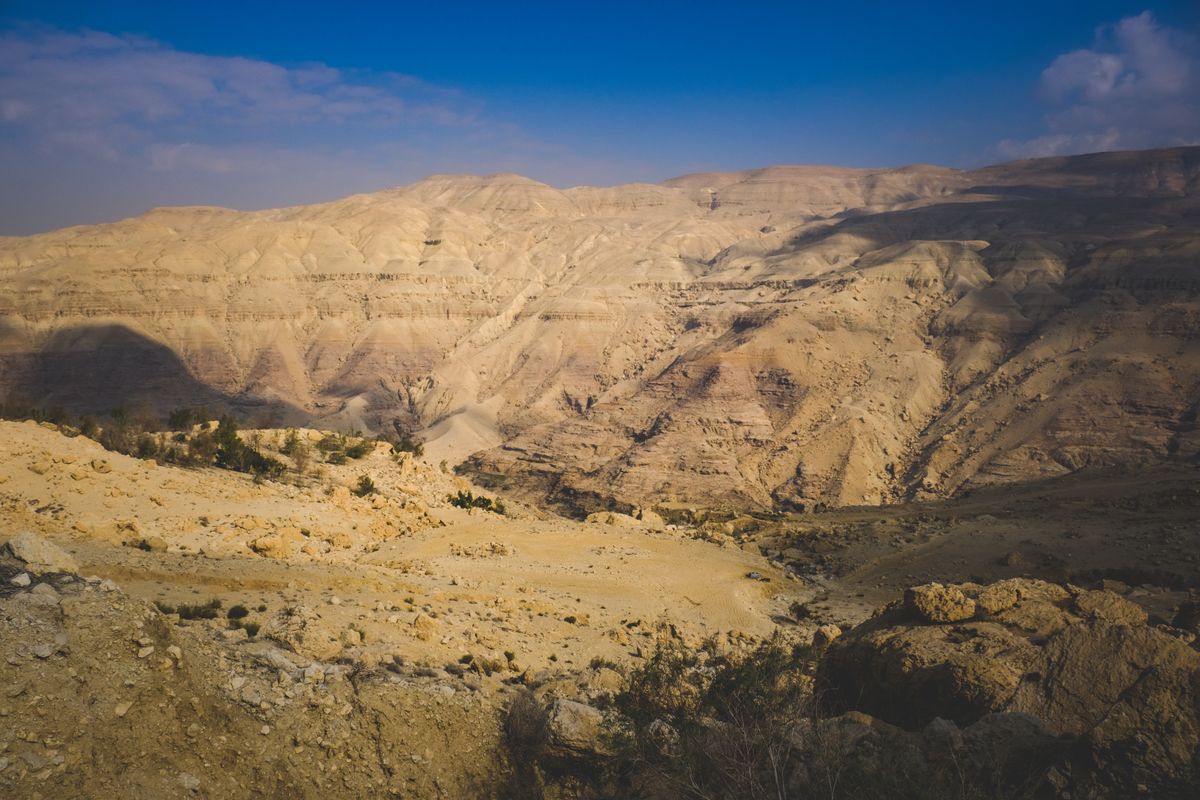
The reserve entrance sits along the Dead Sea highway, making it a practical add-on to a resort day or a standalone morning trip. Bring water shoes, a dry bag for valuables and a change of clothes, because you will get wet. The combination of canyoneering and floating in the same day is physically demanding but memorable, and the contrast between the freshwater canyon and the hypersaline lake is striking.
Mount Nebo and Madaba Mosaic Heritage
Mount Nebo sits about 35 to 50 minutes from the Sweimeh resort area, offering biblical viewpoint views across the Jordan Valley toward the Dead Sea and, on clear days, Jerusalem. The site has a memorial church and important mosaics, and it is revered as the place where Moses is said to have seen the Promised Land. Entry costs JOD 3. The viewpoint is exposed and can be windy, so bring a layer even in summer. Madaba, about 45 to 60 minutes from the Dead Sea, is known for its Byzantine and Umayyad mosaics, especially the sixth-century Madaba Map mosaic in St George’s Greek Orthodox Church, which depicts the Holy Land in remarkable detail; entry to the church costs JOD 2.
Combining Mount Nebo, Madaba and the Dead Sea in one day is practical if you start early and keep each stop focused. The route forms a natural loop from Amman, descending to the Dead Sea, then climbing back to the highlands via Madaba and Mount Nebo before returning to the capital. For a longer circuit, pair the Dead Sea with Petra and Wadi Rum, though transport planning is essential because there is no train and few direct buses.
Practical Packing and Attire Advice
What you bring to the Dead Sea affects comfort and safety. Dark or older swimwear is recommended, because mineral mud can stain fabric, and bright colours may show discolouration more visibly. Rinse your swimsuit promptly after leaving the water to minimise staining. Sturdy water shoes with good grip protect your feet against sharp salt crusts, rocky patches and the hot sand or pebbles that line many entry points. Flip-flops are not sufficient where the shore is uneven or salty.
A small dry bag or waterproof pouch is useful for your phone, wallet and car keys, because saltwater and electronics do not mix. Bring a refillable water bottle and drink regularly, because the heat and salt exposure are dehydrating. Sunglasses and a hat are essential, because the glare off the water is intense. If you are using a public beach, bring your own towel, snacks and any toiletries you need, because facilities may be basic. Check beach opening times, locker availability and transport options before arrival, so you are not caught without a return ride or a place to store your belongings.
Frequently Asked Questions About Visiting the Dead Sea in Jordan
Is the Dead Sea safe for non-swimmers?
Yes, the exceptional buoyancy makes floating easy for swimmers and non-swimmers alike, but you must follow safety rules. Enter slowly, keep your face above water, avoid splashing and limit each float to 10 to 15 minutes. Use a designated beach with lifeguard supervision, and leave the water immediately if brine enters your eyes or mouth.
Can you go in the Dead Sea if you have cuts or sensitive skin?
The safest choice with an open wound is to stay out of the water entirely. If a cut or wound is still healing, cover it completely with a secure waterproof dressing, or avoid entering. Salt water stings intensely on irritated skin, recent shaving or waxing, and any exposed abrasion. If you have sensitive skin, test a small area first and rinse promptly if you feel discomfort.
How long should you float in the Dead Sea?
Limit each float to around 10 to 15 minutes, then leave the water, rinse thoroughly with fresh water and drink plain water. Prolonged exposure to the hypersaline water can dehydrate the skin and increase the risk of accidental splashing. Take breaks between floats, and do not spend the entire day in the water.
What is the best way to get to the Dead Sea from Amman?
Taxis and private drivers are the simplest options: the drive takes roughly 45 to 75 minutes and costs about JOD 20 to 30 one way. JETT runs a tourist bus from Amman on set days for about JOD 8 to 10 one way, rental cars are practical if you are comfortable driving in Jordan, and some resorts offer pre-arranged transfers. Arrange your return journey before you go.
Does the Jordan Pass cover Dead Sea entry?
No, the Jordan Pass does not cover beach entry, hotel day-use passes, resort pools, spa treatments or transport. It remains valuable for Petra, Jerash and other archaeological sites, but budget separately for the Dead Sea.
Can you do a Dead Sea Jordan day trip from Petra?
Yes, but allow approximately three to three and a half hours by road each way, making it a long day. Most travellers find a Dead Sea Jordan stop more practical between Amman and Petra, either as a stopover or as a dedicated day trip from the capital or Madaba.
Planning more of the Middle East? See Petra Jordan.
Before you go, check the Jordan Tourism Board’s Dead Sea page for the latest details.
Conclusion
A Dead Sea Jordan trip delivers a unique combination of natural spectacle, effortless floating and mineral-rich mud, set at the lowest exposed land point on Earth. Whether you choose a luxury resort day pass along the Sweimeh strip or a budget-friendly public beach, the key to a safe and enjoyable visit is preparation: understand the safety rules, bring the right gear, confirm transport and entry costs in advance, and respect the environmental reality of a shrinking lake.
Combine your float with nearby attractions such as Wadi Mujib, Mount Nebo or Madaba to build a richer west-central Jordan itinerary, and allow time to simply sit by the shore and watch the light change across the water.