
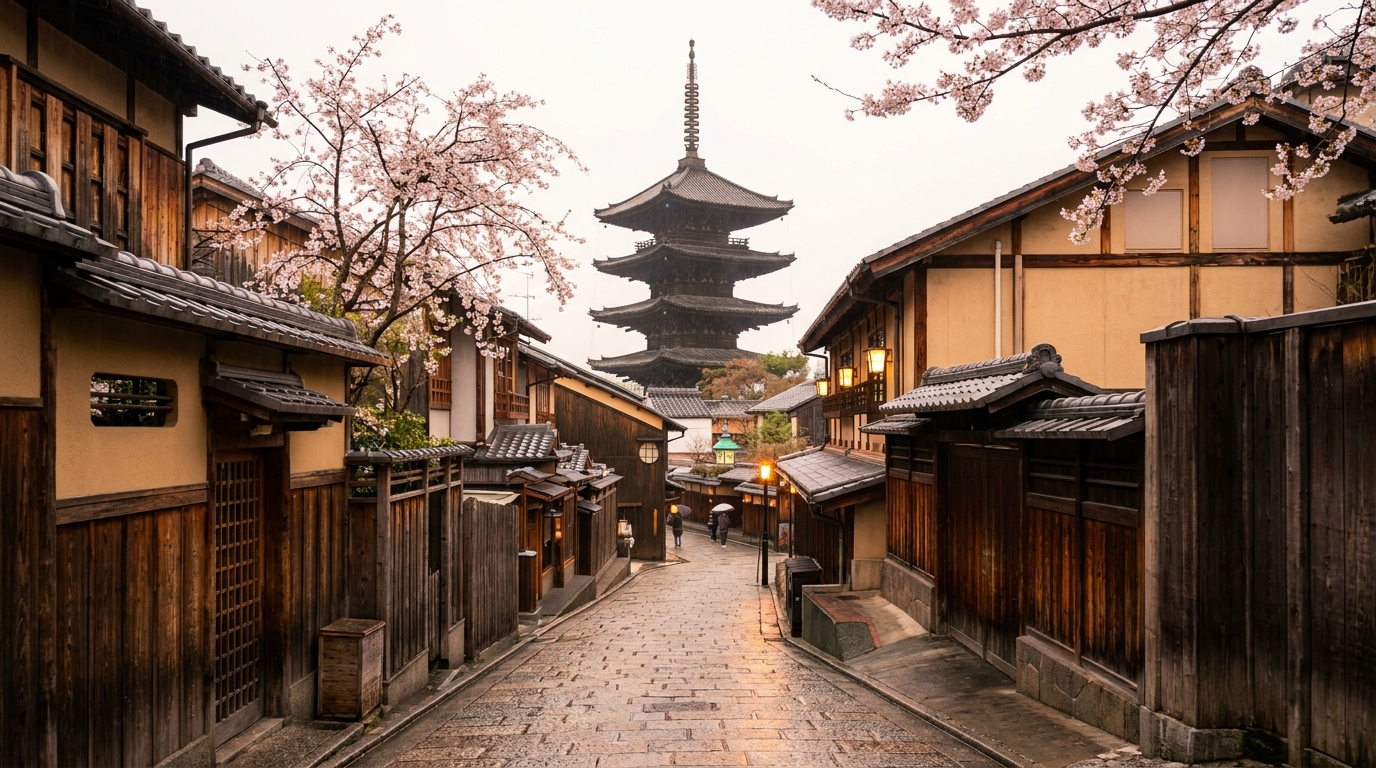

In this guide 26
- Getting to Kyoto and Getting Around
- Day 1: Higashiyama, Kiyomizu-dera and Gion
- Day 2: Arashiyama and Northwest Kyoto
- Day 3: Fushimi Inari Taisha and Nara Day Trip
- Best Time to Visit Kyoto
- Where to Stay in Kyoto
- Costs and Budget Tips
- Etiquette and Responsible Travel in Kyoto
- Frequently Asked Questions
- Is 3 days in Kyoto enough time to see the main sights?
- Do I need to book temple tickets in advance for 3 days in Kyoto?
- Can I use a Japan Rail Pass for transport in Kyoto?
- What is the best area to stay in Kyoto for first-time visitors?
- How early should I visit Fushimi Inari to avoid crowds?
- Is Nara or Uji a better day trip from Kyoto?
- Conclusion
Three days in Kyoto gives you enough time to walk the old districts, climb temple slopes, photograph thousands of torii gates and still fit in a side trip to Nara or Uji. The city is compact, most major sites sit within about 40 minutes of Kyoto Station by bus or train, and the rhythm of morning temples, afternoon walks and evening meals in Gion settles you into the place faster than a week split across multiple cities. You will not see everything, but you will see the core, and you will leave with a working picture of how the city is actually put together.
This guide walks you through a practical 3 days in Kyoto route: Higashiyama and Gion on day one, Arashiyama and the northwest temples on day two, Fushimi Inari at dawn and a Nara day trip on day three. Each section includes realistic walking times, transport connections and the small decisions that make the difference between a smooth day and a frustrating one. By the end you will know which train to take from the airport, where to load your ICOCA card, and why starting at Fushimi Inari before breakfast beats arriving at lunchtime.
Some links in this guide are affiliate links. If you book through one, Roamdusk may earn a commission at no extra cost to you. It never decides what we recommend.
Getting to Kyoto and Getting Around
Most international visitors land at Kansai International Airport, 100 kilometres southwest of Kyoto. The JR Haruka Express runs directly from the airport terminal to Kyoto Station in 75 to 80 minutes and costs 3,060 yen for an unreserved seat or 2,200 yen with the discounted Haruka one-way ticket for foreign visitors.
Trains depart every 30 minutes from early morning until late evening, so you rarely wait long. The airport limousine bus is an alternative if you have heavy luggage, taking about 90 minutes and costing roughly 2,800 yen, but the train is faster and drops you in the centre of the station complex where all the city transport lines meet.
If you are arriving from Osaka, the JR Special Rapid service on the Tokaido Line covers the distance in about 30 minutes for a standard JR fare. From Tokyo, the Nozomi Shinkansen takes around two hours and 15 minutes. Once you arrive at Kyoto Station, the tourist information centre sits on the second floor of the main building and opens daily from 8:30 AM to 7:00 PM. Staff speak English, stock free maps and can answer questions about passes and ticket options.
Kyoto’s bus network is more useful than the subway for sightseeing because most temples and shrines sit outside the two subway lines. Bus 100 links Kyoto Station with Kiyomizu-dera, Gion, Heian-jingu and Ginkaku-ji, and Bus 206 also serves Kiyomizu-dera and Gion, both departing every ten minutes or so during the day. On weekends and holidays the EX100 sightseeing express bus covers the same corridor with fewer stops for a flat 500 yen. The subway works well for north-south trips along the Karasuma Line and east-west along the Tozai Line, but you will spend more time on buses.
A one-day subway and bus pass costs 1,100 yen and pays for itself after five rides, but only buy it if your itinerary genuinely includes that many trips in a single day. Most visitors find the ICOCA card simpler and cheaper across three days.
Day 1: Higashiyama, Kiyomizu-dera and Gion
Morning: Kiyomizu-dera Temple Map
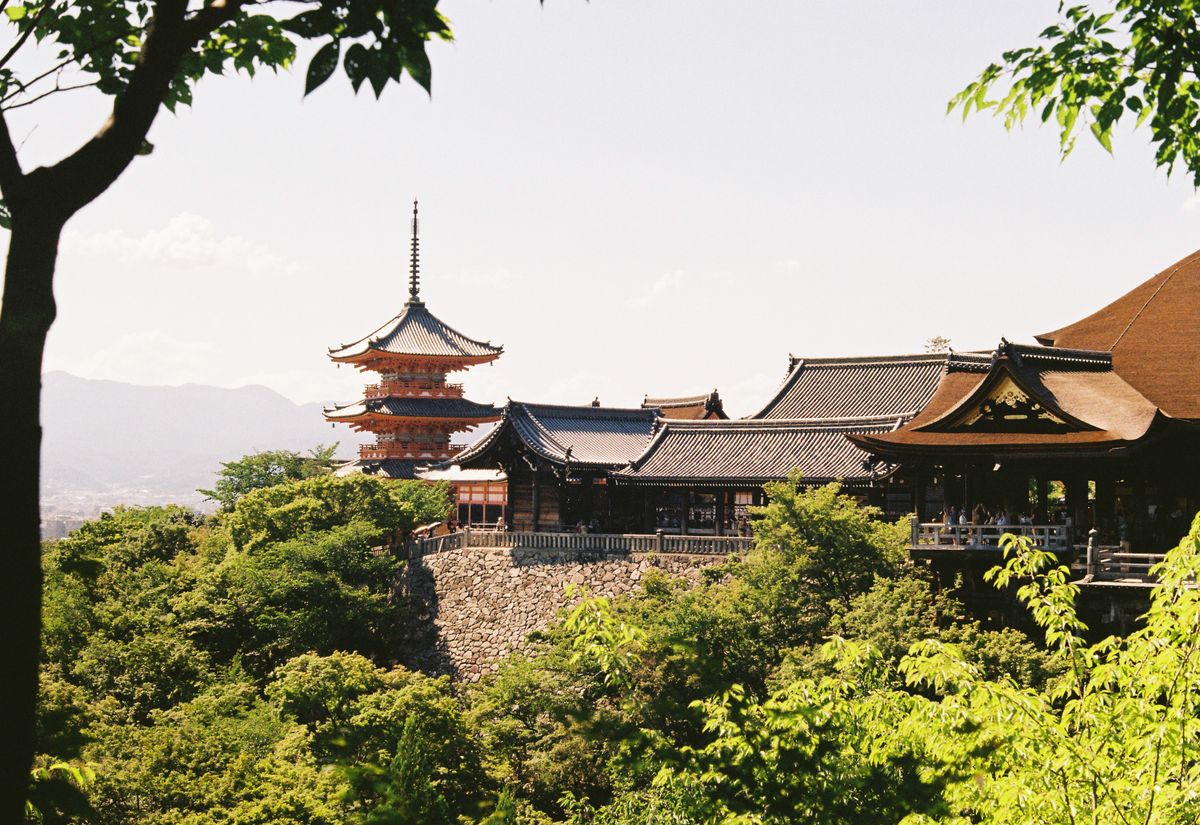
Start your first morning at Kiyomizu-dera, the hillside temple that offers the clearest introduction to Kyoto’s layered geography. The temple opens at 6:00 AM, and arriving before 8:00 AM means you share the wooden terrace with a handful of other early visitors rather than a tour-group scrum. From Kyoto Station, take Bus 100 or 206 to the Gojozaka stop, then walk uphill for ten minutes along a shop-lined lane. Entry costs 500 yen for adults, and the ticket booth opens with the temple.
The main hall sits on a steep slope above the city, supported by wooden pillars that have become the temple’s signature image. Walk the full circuit through the grounds, stopping at the Otowa waterfall where three streams pour from the hillside and visitors queue to drink from ladles. The route loops back past smaller shrines and a pagoda, then exits near the top of the approach street. The whole visit takes 60 to 90 minutes if you walk at a relaxed pace and stop to read the English signboards.
Late Morning: Sannenzaka and Ninenzaka Map
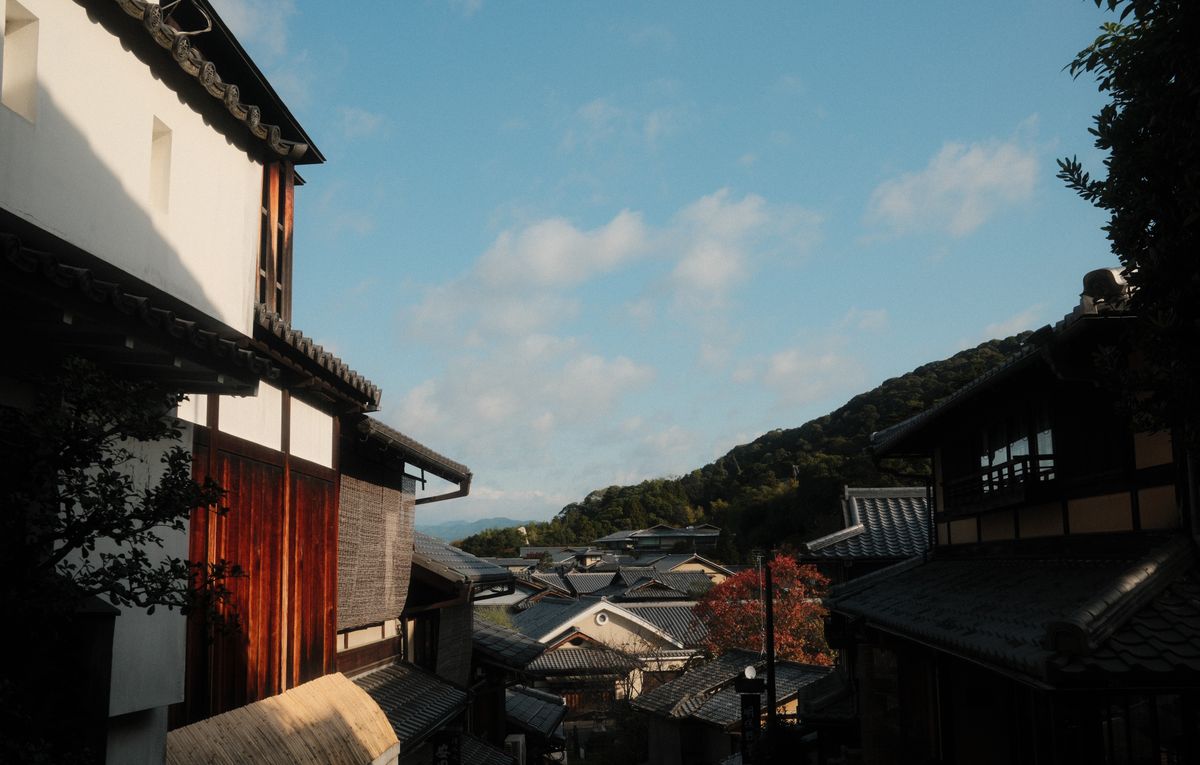
From Kiyomizu-dera, walk downhill through the Sannenzaka and Ninenzaka preserved streets, two sloping lanes lined with wooden townhouses that now hold cafes, pottery shops and small museums. The streets are narrow, the paving is uneven, and the atmosphere is quieter than the main approach to the temple. This is where you see the best-preserved merchant architecture in Higashiyama, and it is also where you will encounter women in rented kimono walking slowly for photographs. The walk from Kiyomizu-dera to the base of Ninenzaka takes about 20 minutes, longer if you stop to browse.
Afternoon: Yasaka Shrine and Maruyama Park Map
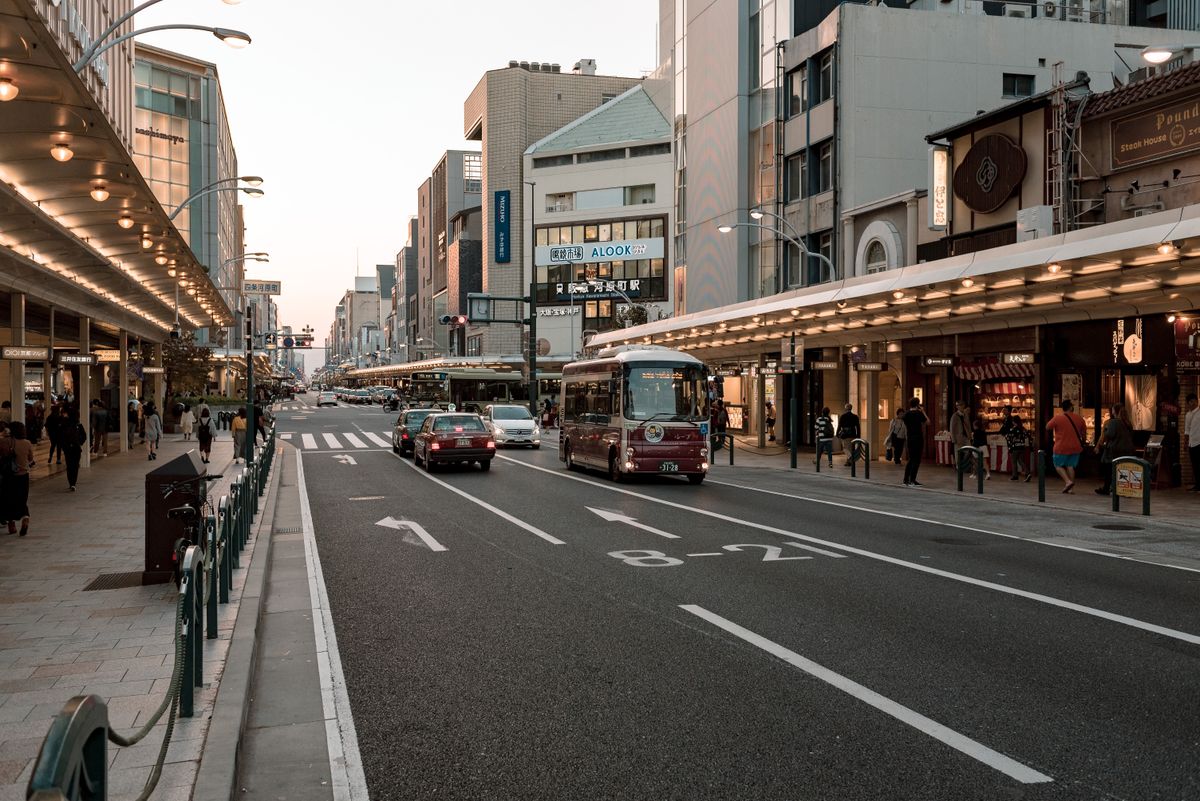
Continue north to Yasaka Shrine, a large Shinto complex at the eastern end of Shijo-dori with vermilion gates and stone lanterns lining the approach. The shrine is free to enter and stays open all day and night, so you can walk through the main courtyard in ten minutes or sit on the steps and watch the flow of visitors. Just behind the shrine, Maruyama Park spreads across a low hillside and fills with cherry blossom viewers in early April. Outside blossom season it is a quiet green space with a central pond and several teahouses.
For lunch, walk west along Shijo-dori toward the Kamo River and turn into one of the side streets near Kawaramachi Station. This area holds hundreds of small restaurants serving ramen, udon, donburi and set meals for 800 to 1,200 yen. Avoid the main road if you want to escape the crowds, and look for places with a line of three or four locals rather than a tour-group queue.
Evening: Gion District Map
Spend the late afternoon and early evening in Gion, the district immediately west of Yasaka Shrine. Gion is famous for its geisha culture, but it is also a working neighbourhood with private teahouses, expensive restaurants and narrow lanes where tourists are asked to stay on the main public paths. Hanami-koji is the most photographed street, running south from Shijo-dori with wooden facades on both sides. Walk it once for the architecture, then explore the quieter lanes to the north and east where you are less likely to be part of a crowd.
Day 2: Arashiyama and Northwest Kyoto
Morning: Arashiyama Bamboo Grove Map
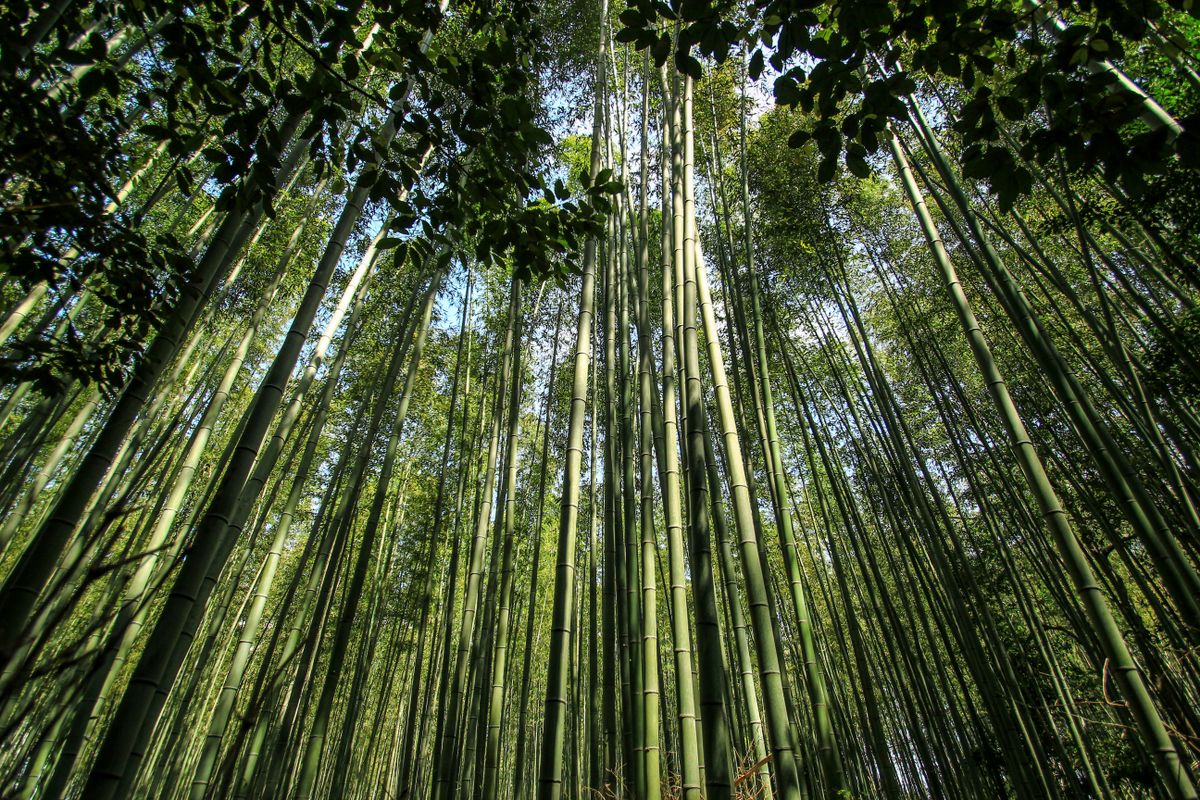
Take the JR Sagano Line from Kyoto Station to Saga-Arashiyama Station, a 15-minute ride on a local or rapid train. The bamboo grove sits a ten-minute walk north of the station, and arriving before 8:00 AM gives you the path almost to yourself. The grove is a public walkway, free to enter and open at all hours, but the light is best in the early morning before the sun climbs above the bamboo canopy. The main path runs for about 400 metres and takes ten minutes to walk end to end, though most people walk it twice to take photographs from both directions.
From the northern exit of the bamboo grove, continue to Okochi-Sanso Villa, a hillside garden built by a silent-film actor in the 1930s. Entry costs 1,000 yen and includes a cup of matcha and a sweet served in a small pavilion overlooking the garden. The villa is less crowded than the bamboo grove and offers better views across the Arashiyama hills. Allow 45 minutes for the full circuit.
Late Morning: Tenryu-ji Temple and the Togetsukyo Bridge Map
Walk back through the bamboo grove and turn west to Tenryu-ji, a Zen temple with one of Kyoto’s finest gardens. The garden entry costs 500 yen, or 800 yen if you also want to enter the temple buildings. The garden was designed in the 14th century and uses the Arashiyama mountains as borrowed scenery, framing the view across a central pond. The temple is a UNESCO World Heritage site and draws steady crowds, but the garden is large enough to absorb them. Spend 30 to 45 minutes here, then exit through the north gate and walk down to the Katsura River.
The Togetsukyo Bridge crosses the river at the heart of Arashiyama and offers views upstream toward the forested hills. The bridge area is busy with souvenir shops and snack stalls, so treat it as a quick stop rather than a destination. If you want a longer riverside walk, follow the path west along the north bank for 20 minutes to reach quieter stretches with fewer visitors.
Afternoon: Kinkaku-ji (Golden Pavilion) Map
Leave Arashiyama by mid-afternoon and take the JR Sagano Line back to Kyoto Station, then transfer to Bus 205 heading north to Kinkaku-ji. The journey takes about 40 minutes in total, and the bus drops you at a stop five minutes’ walk from the temple gate. Kinkaku-ji opens daily from 9:00 AM to 5:00 PM and charges 500 yen for adults. The temple is a three-storey pavilion covered in gold leaf, sitting on the edge of a pond that reflects the building and the trees behind it.
The route through the grounds is one-way and takes about 30 minutes, passing viewing platforms, a small waterfall and a teahouse before exiting through a souvenir area. Kinkaku-ji is one of Kyoto’s most visited sites, so expect crowds at any time of day. The best photographs are from the first viewing platform immediately after the entrance, where the pavilion sits directly across the pond. Afternoon light works better here than morning because the sun lights the gold leaf from the west.
Day 3: Fushimi Inari Taisha and Nara Day Trip
Early Morning: Fushimi Inari Taisha Map
Fushimi Inari Taisha is the single most photographed site in Kyoto, and the only way to see it without a dense crowd is to arrive before 7:00 AM. The shrine grounds are open 24 hours and entry is free, so nothing stops you from taking the JR Nara Line from Kyoto Station to Inari Station at first light. The journey takes five minutes and costs 150 yen, or you can tap your ICOCA card. The station exit opens directly onto the shrine approach, and from there it is a two-minute walk to the base of the torii gate tunnels.
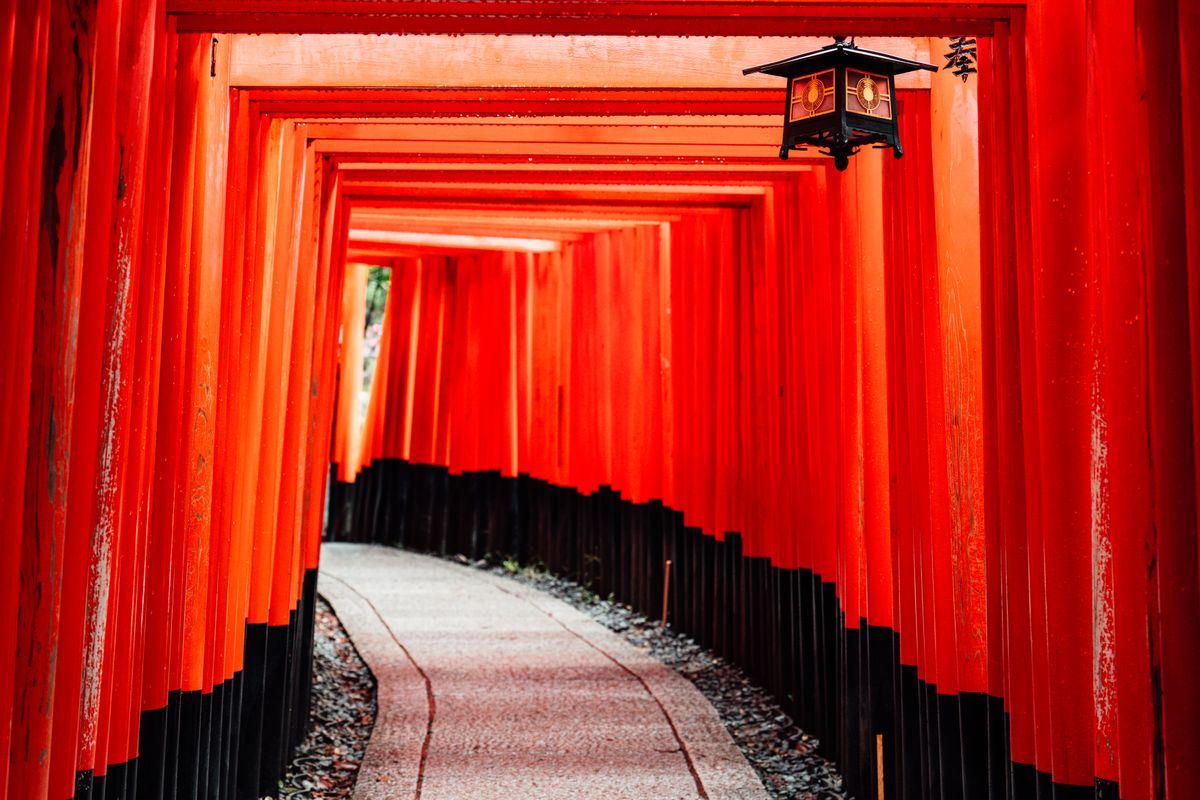
The main path climbs the forested hillside through thousands of vermilion torii gates donated by individuals and businesses over the centuries. The full circuit to the summit and back takes about two hours, but most visitors turn around after 30 to 45 minutes when the path splits into multiple loops. The first dense tunnel section, where the gates stand shoulder to shoulder, ends after about 15 minutes of steady climbing. That section is what appears in every photograph, and arriving early means you can stop in the middle of the tunnel without blocking other visitors.
Late Morning: Kyoto National Museum (Optional) Map
If you return from Fushimi Inari by 9:00 AM, you have time for a museum stop before heading to Nara. The Kyoto National Museum sits across the street from Sanjusangendo, a ten-minute bus ride from Kyoto Station on routes 100, 206 or 208. The museum opens at 9:30 AM, closes on Mondays (Tuesday when Monday is a public holiday) and charges 700 yen for the collection exhibitions, with special exhibitions priced separately. The collection covers Japanese art, ceramics, textiles and historical artefacts, and a visit takes 60 to 90 minutes. If you skip the museum, use the extra time for a sit-down breakfast near Kyoto Station before catching the train to Nara.
Afternoon: Nara Day Trip Map
The JR Miyakoji Rapid on the JR Nara Line departs Kyoto Station every 30 minutes and reaches JR Nara Station in 45 minutes for 720 yen each way. An alternative is the Kintetsu Limited Express from Kintetsu Kyoto Station, which takes 35 minutes but costs 1,280 yen. The JR option is slower but cheaper and works seamlessly with your ICOCA card. Aim to leave Kyoto by 11:00 AM to give yourself a full afternoon in Nara.
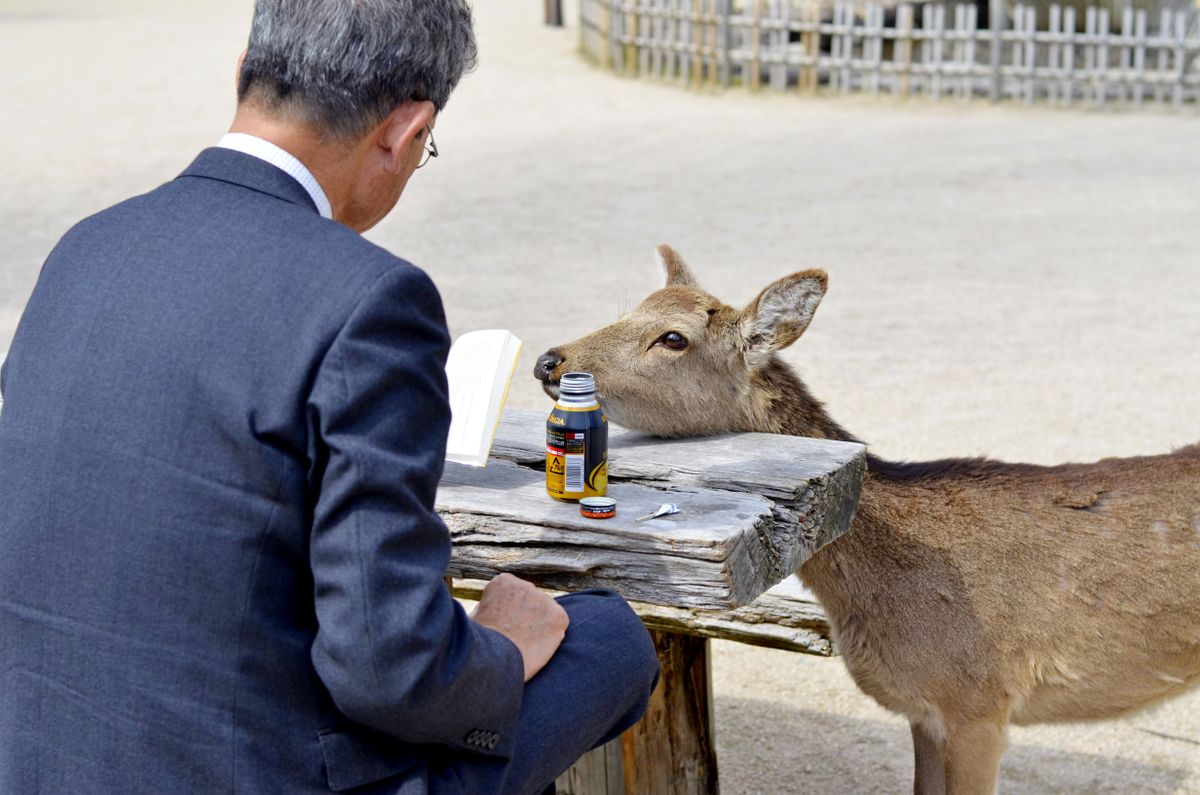
From JR Nara Station, walk east for 20 minutes to reach Nara Park, a large open area where over 1,000 deer roam freely. The deer are wild but accustomed to visitors, and you can buy deer crackers from vendors for 200 yen. Todai-ji, the park’s main temple, sits at the eastern edge and houses a 15-metre bronze Buddha inside a massive wooden hall. Entry to the hall costs 800 yen, and the visit takes 30 to 45 minutes. The temple grounds are free to walk, and the approach path through the park is lined with stone lanterns and smaller shrines.
If you have time after Todai-ji, walk south through the park to Kasuga Taisha, a Shinto shrine with hundreds of bronze and stone lanterns lining the forested paths. The outer grounds are free, and the inner area costs 700 yen. Allow 90 minutes for the round trip from Todai-ji. Catch a train back to Kyoto by 5:00 PM to avoid the evening commuter rush, and you will be back at Kyoto Station by 6:00 PM with time for dinner.
Best Time to Visit Kyoto
The most comfortable months for visiting Kyoto are late March to mid-April and late October to mid-November, when temperatures sit between 10 and 20 degrees Celsius and the city is either pink with cherry blossoms or red with autumn leaves. Cherry blossom season typically peaks in early April, though the exact dates shift by a week or more depending on the year. Autumn colour peaks in mid-to-late November, with the best displays in temple gardens and along the Philosopher’s Path. Both seasons draw the largest crowds, and hotels in central Kyoto fill weeks in advance.
If you want to avoid peak crowds, visit in early March, late May or early October. March is cool and quiet before the blossoms arrive, May is warm and green after the spring rush, and early October offers mild weather before the autumn-leaf season begins. Summer in Kyoto is hot and humid, with temperatures often exceeding 30 degrees Celsius in July and August. The rainy season runs from early June to mid-July, bringing heavy downpours and high humidity. Winter is cold but dry, with occasional light snow in January and February, and far fewer tourists at major sites.
Kyoto sits in an inland basin, so it is hotter in summer and colder in winter than Tokyo or Osaka. If you visit in July or August, start your sightseeing early in the morning, take a long midday break indoors, and resume in the late afternoon when the temperature drops. Temples with gardens and shaded paths, such as Nanzen-ji and Eikan-do, are more bearable in summer heat than exposed hilltop sites like Kiyomizu-dera.
Where to Stay in Kyoto
First-time visitors should base themselves near Kyoto Station, where all the train lines, airport buses and long-distance rail connections meet. The station area has the highest concentration of mid-range hotels, English-speaking staff and 24-hour convenience stores, and you can reach any major site by direct bus or a single train transfer. The trade-off is that the station district has no traditional atmosphere, and you will spend 20 to 30 minutes travelling to Higashiyama or Arashiyama each morning.
If you prefer to stay in a more atmospheric area, choose Gion or Higashiyama. Both districts are within walking distance of Kiyomizu-dera, Yasaka Shrine and the old merchant streets, and both have a good selection of ryokan (traditional inns) and small guesthouses. The downside is that these areas are quieter at night, with fewer dining options after 9:00 PM, and you will need to take a bus or taxi to Kyoto Station when you leave. Arashiyama is another option if you want to stay near the bamboo grove and riverside walks, but it sits far from the eastern temples and requires multiple transfers to reach most other sites.
Book your Kyoto accommodation as early as possible if you are visiting during cherry blossom or autumn-leaf season, because rooms in all districts sell out months ahead. Outside peak seasons, booking two weeks in advance is usually enough.
Costs and Budget Tips
A typical day in Kyoto costs between 8,000 and 12,000 yen per person, covering transport, temple entries, two meals and a few snacks. Budget breakdown: ICOCA card bus and train rides total around 1,000 yen per day if you make four or five trips; temple and shrine entries range from free (Fushimi Inari, Yasaka Shrine) to 500 yen at most major temples (Kiyomizu-dera, Kinkaku-ji, Tenryu-ji garden), with a few higher, such as Okochi-Sanso at 1,000 yen; a bowl of ramen or udon costs 800 to 1,000 yen, a convenience-store breakfast costs 400 to 600 yen, and a sit-down dinner in a mid-range restaurant costs 1,500 to 2,500 yen.
Add 2,000 to 3,000 yen if you take a day trip to Nara, which includes the 1,440-yen round-trip train fare and the 800-yen Todai-ji entry.
To keep costs lower, buy breakfast at a convenience store (onigiri, yoghurt, coffee) rather than eating at a hotel or cafe, which saves 500 to 800 yen per day. Eat lunch at a neighbourhood ramen or udon shop rather than a restaurant in a temple district, where prices are 30 to 50 percent higher for the same bowl.
Skip the one-day pass unless you genuinely plan to take five or more rides in a single day, because the ICOCA card is cheaper for most three-day itineraries. Free sites like Fushimi Inari, the Arashiyama bamboo grove and Nishiki Market offer some of the best experiences in Kyoto without any entry cost.
Etiquette and Responsible Travel in Kyoto
Kyoto receives over 50 million visitors each year, and the city has introduced rules to manage the impact on residents and historic sites. In Gion and other traditional districts, stay on public streets and do not enter private lanes marked with signs or barriers. Some narrow lanes are now closed to tourists entirely because of complaints about noise, blocked doorways and intrusive photography. If you see a geisha or maiko, do not follow them, do not block their path, and do not photograph them without permission. These are working professionals, not performers, and harassing them is both rude and increasingly subject to fines.
At temples and shrines, walk quietly, stay on marked paths, and do not touch buildings, statues or offerings. Remove your shoes before entering any building with a raised wooden floor, and carry them with you in the plastic bag provided rather than leaving them at the entrance. Photography is allowed in most outdoor areas but banned inside temple halls, so watch for signs and follow them. If a priest or attendant asks you to stop doing something, stop immediately and apologise.
Kyoto’s buses are crowded, especially on routes serving major tourist sites. Move to the back of the bus when you board, take off your backpack and hold it in front of you, and vacate priority seats for elderly passengers and parents with small children. Pay when you exit through the front door, either by tapping your ICOCA card or by inserting the exact fare in coins. If you do not have exact change, use the change machine next to the driver before you reach the fare box.
Frequently Asked Questions
Is 3 days in Kyoto enough time to see the main sights?
Three days covers the core sights in Higashiyama, Arashiyama, northwest Kyoto and Fushimi Inari, plus a day trip to Nara or Uji. You will not see everything, but you will see the most important temples, walk the old districts and get a clear sense of how the city is laid out. If you want to add more temples, visit Kurama, explore southern Kyoto or spend a full day in Nara, then four or five days is better.
Do I need to book temple tickets in advance for 3 days in Kyoto?
No. All the major temples and shrines in Kyoto sell tickets on the day at the entrance gate, and queues are rarely longer than five or ten minutes even during peak season. The only exception is if a temple is hosting a special exhibition or night illumination, in which case advance tickets may be available online. For standard daytime visits, turn up and pay at the gate.
Can I use a Japan Rail Pass for transport in Kyoto?
A Japan Rail Pass covers JR trains including the Haruka Express from Kansai Airport, the Sagano Line to Arashiyama and the Nara Line to Fushimi Inari and Nara. It does not cover Kyoto city buses, the subway or private railways such as Keihan and Kintetsu. If you are travelling around Japan by Shinkansen, the pass is worth buying, but if you are only visiting Kyoto and nearby cities, an ICOCA card is cheaper and more flexible.
What is the best area to stay in Kyoto for first-time visitors?
Stay near Kyoto Station if you want easy access to transport, English-speaking hotel staff and a wide choice of restaurants. Stay in Gion or Higashiyama if you want traditional atmosphere and proximity to the eastern temples. Kyoto Station is more practical for a short stay, while Gion is better if you are willing to trade convenience for character.
How early should I visit Fushimi Inari to avoid crowds?
Arrive before 7:00 AM if you want the torii gate tunnels to yourself. The shrine is open 24 hours, so nothing stops you from visiting at dawn. By 9:00 AM the first tour groups arrive, and by 10:00 AM the main paths are crowded. Early morning also offers the best light for photography, with soft sun filtering through the trees and the gates.
Is Nara or Uji a better day trip from Kyoto?
Nara is better if you want to see a large historic site, interact with the deer and spend a full afternoon exploring. Uji is better if you prefer a quieter, shorter trip focused on tea culture and one beautiful temple. Nara takes a full half-day, while Uji can be done in three hours. Both are easy to reach from Kyoto Station on the JR Nara Line.
Conclusion
Three days in Kyoto gives you time to walk the temple slopes, photograph the torii gates, eat your way through Nishiki Market and understand why the city remains Japan’s cultural anchor. The itinerary above is not the only way to structure your visit, but it balances the major sights with enough flexibility to follow your own interests. Start early, move between districts rather than clustering everything in one area, and leave room for the unplanned detours that turn a good trip into a memorable one.
Before you go, check the Kyoto City Official Travel Guide for seasonal events, transport updates and any temporary temple closures. If Kyoto is one stop on a longer Asia trip, this Ha Long Bay cruise guide covers routes, prices and boat choices for northern Vietnam. For another compact historic city planned day by day, see this three-day Porto itinerary.