

In this guide 27
- Essentials for 3 Days in Porto
- Day 1 of Your 3 Days in Porto: The Historic Centre
- Day 2: Palácio da Bolsa, Ribeira and Port Wine
- Day 3: Choose Your Own Route
- What to Eat and Drink in Porto
- Costs for 3 Days in Porto and the Porto Card
- Practical Tips for 3 Days in Porto
- FAQ: Planning Your Porto Trip
- Final Thoughts on Your Porto Plan
Planning 3 days in Porto mostly means splitting the city into three geographic chunks: the hilltop historic centre, the riverbank with the port cellars across the water, and one flexible day that you spend either in the city or out on the Douro. The historic centre is UNESCO listed, and nearly every major sight sits close to the river, although the streets between them are steep and the cobbles are uneven. This plan gives each day a morning, an afternoon and an evening, with the ticket prices and booking points that decide whether the day runs smoothly.
It assumes you have no car, which suits Porto, because the metro, the bridges and your own feet cover almost everything. Prices come from each attraction’s official site where one exists. They can change, so confirm anything you plan to book before you pay.
Some links in this guide are affiliate links. If you book through one, Roamdusk may earn a commission at no extra cost to you. It never decides what we recommend.
Essentials for 3 Days in Porto
Three days is enough to cover the core of Porto at a steady pace, provided you book two timed entries before you arrive. May to June and September give the best balance of weather, crowds and prices, while November to February is the cheapest stretch of the year. June adds the São João festival on the night of 23 to 24 June, when the Ribeira and Foz fill with people and fireworks over the Douro, so reserve rooms earlier for that week.
Metro Line E from Porto airport
Metro Line E, the violet line, starts under the terminal at Francisco Sá Carneiro airport (OPO) and reaches Trindade, the central interchange, in roughly 30 minutes. The airport sits in zone 4, so you need a Z4 ticket, which costs about €2.30 on a reusable Andante card. Trains run from around 6am until 1am, every 15 to 30 minutes depending on the hour. The airport lists current ticket details on the Porto airport public transport page, including where to buy the card.
From Trindade you can walk down Avenida dos Aliados toward São Bento, which puts you at the start of Day 1 within minutes. The Andante card itself costs about €0.60, and every traveller needs their own because one card cannot be shared between people. If you land late in the evening, check the last departure from the airport before you rely on the metro.
Where to stay: Baixa, Ribeira or Gaia
Base yourself in Baixa, around Aliados and São Bento, if you want the most walkable option, since Day 1 starts almost at your door and the Trindade interchange is close. Ribeira puts you on the waterfront with the best evening atmosphere, but the streets behind it climb steeply and dragging a suitcase over cobbles is tiring. Gaia, on the south bank, sits beside the port lodges and gives you the view back across to Porto, though you will cross the bridge every time you head into the centre. Rooms in all three areas sell out fast in summer, so book well before you fix your flights.
Whichever area you choose, check how many steps lead from the street to the door and whether the building has a lift. If you only have 3 days in Porto, one base for the whole stay is simpler than moving hotels. Baixa is also the easiest base if you are travelling alone, as in our guide to solo travel in Europe, because the metro and most sights are close and the streets are busy in the evening.
Day 1 of Your 3 Days in Porto: The Historic Centre
Day 1 stays on the high ground, where the station, the cathedral, the tower and the bookshop sit within a short walk of each other. Start early, because the tile panels and the cathedral terrace are quietest before the tour groups arrive. Expect plenty of stairs and keep your walking shoes on, then finish on the south bank for sunset.
Day 1 morning: São Bento Station and the Sé Map
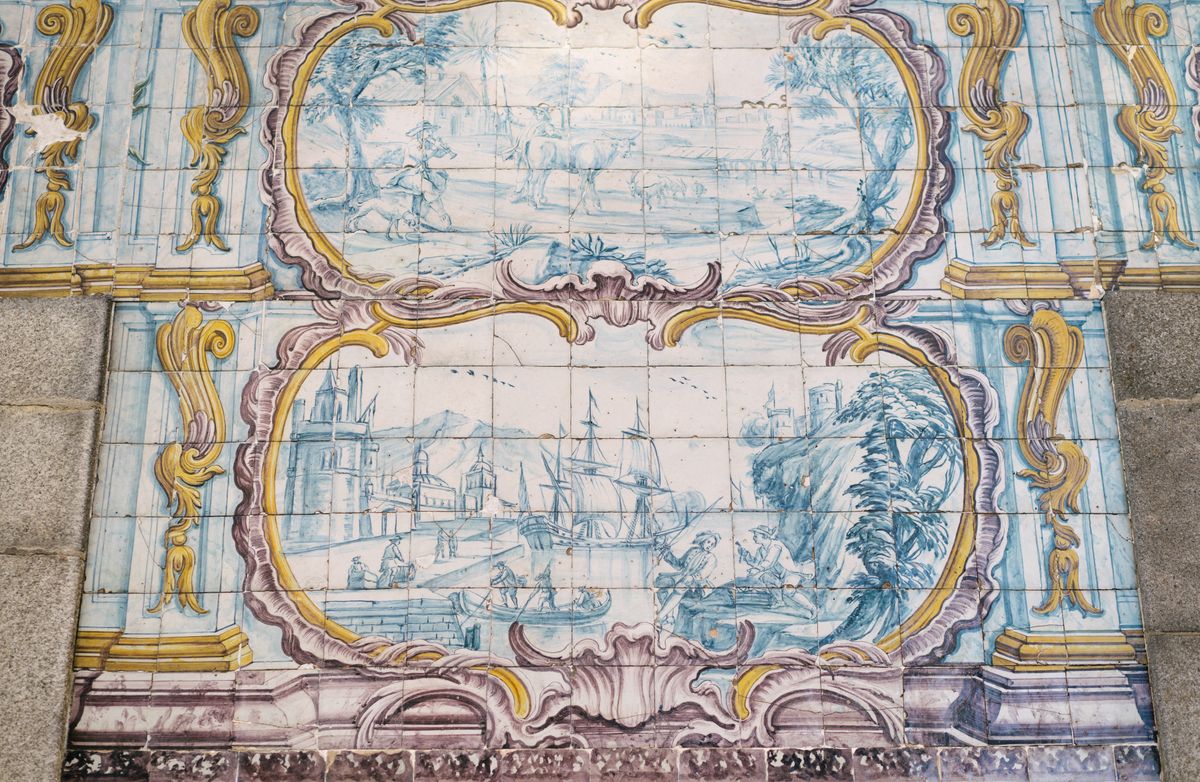
Begin inside São Bento station, where the blue and white azulejo panels cover the walls of the entrance hall. Ten minutes is enough for the São Bento tiles unless you want photographs without people in them, which means arriving right after the first trains. From the station the cathedral is a short uphill walk along the old streets, and that climb is your first real test of the cobbles.
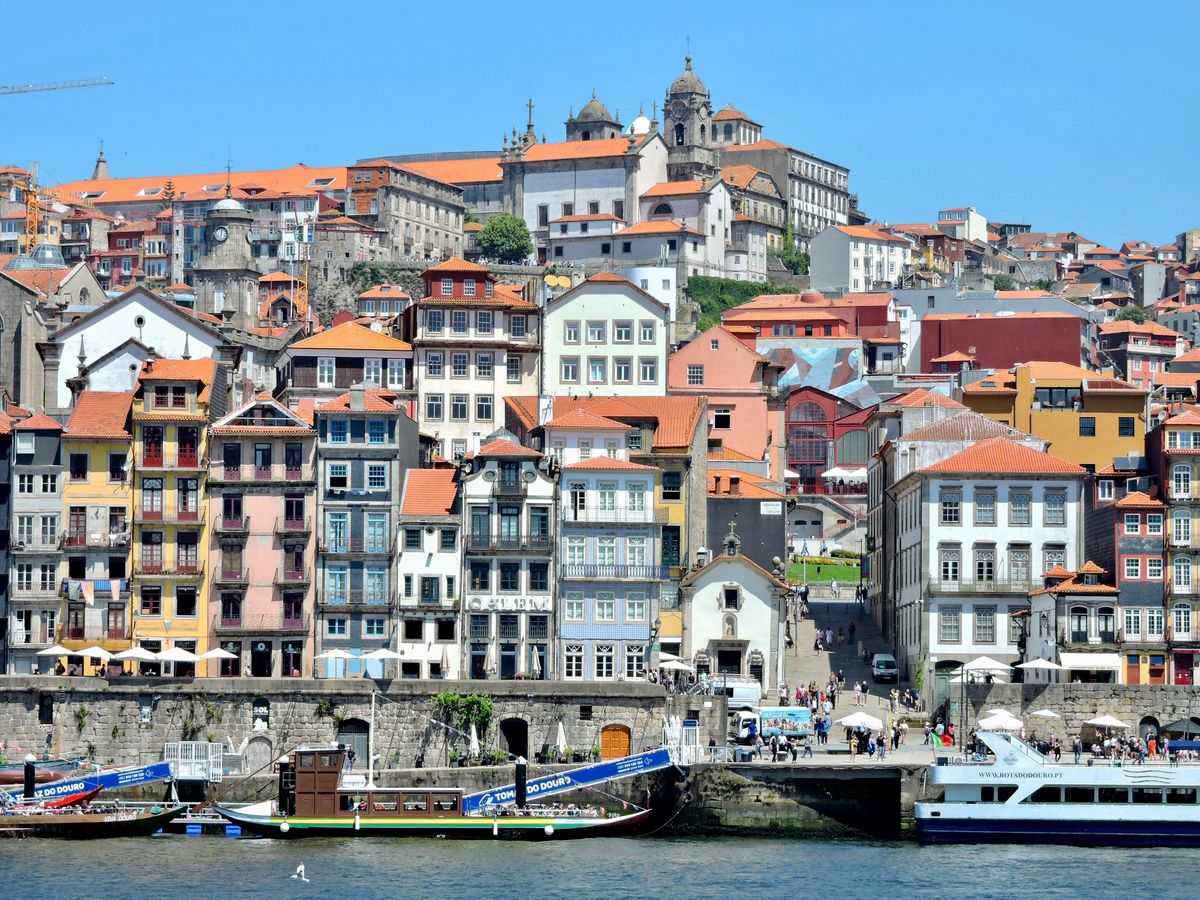
The Sé do Porto stands on the hilltop above the Ribeira and looks out over the red roofs toward the river. The cloister costs about €3 and is worth paying for if you want tiled walls and a quieter half hour away from the terrace crowds. Walk out to the terrace before you leave, since it gives the broadest view down to the Douro. Allow a couple of hours for the station, the cathedral and the walk between them.
Day 1 afternoon: Livraria Lello and Clérigos Tower Map
Livraria Lello requires a timed ticket bought online, and walking up without one no longer works. The Silver ticket costs about €8 to €10 and is deducted in full from any book you buy, while the Gold ticket at €15.95 includes a book and faster entry. One guide reports two-hour summer queues for walk-ins, which is the best argument for picking a slot days ahead.
Clérigos Tower is a short walk from the bookshop and costs €10 for the tower and museum combined. A €5 night ticket for the tower alone is sold on selected dates at Easter, in summer and over the Christmas season. The climb is roughly 225 steps, narrow and steep, so go when the bookshop crowds have thinned and keep a jacket handy because the top platform is exposed.
Day 1 evening: Jardim do Morro and dinner in Baixa Map
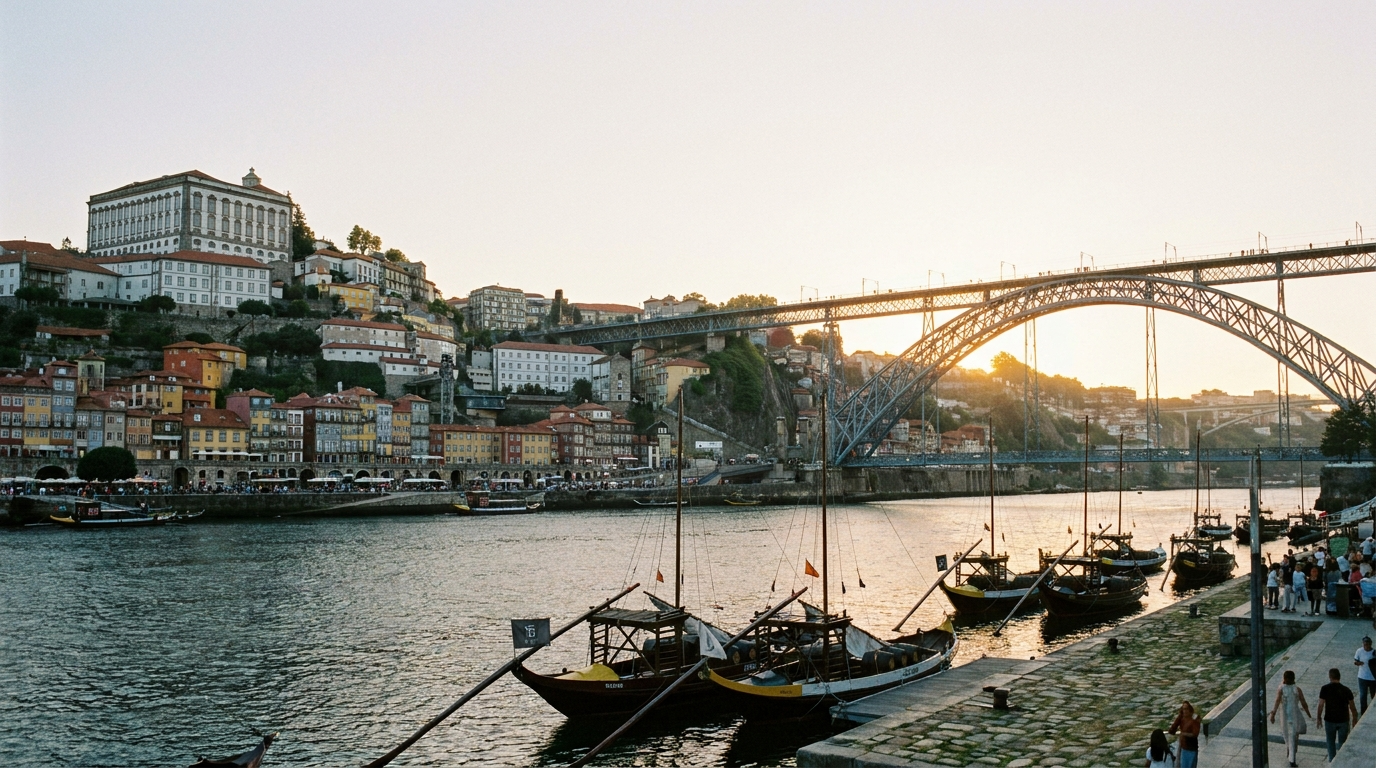
Cross the Luís I Bridge on the upper deck, which is free to walk and takes about ten minutes, to reach Jardim do Morro at the Gaia end. Metro Line D also stops there if your legs have had enough. Sunset falls around 21:10 in June and 17:08 in December, so arrive about half an hour early to get a spot on the wall before the crowd settles.
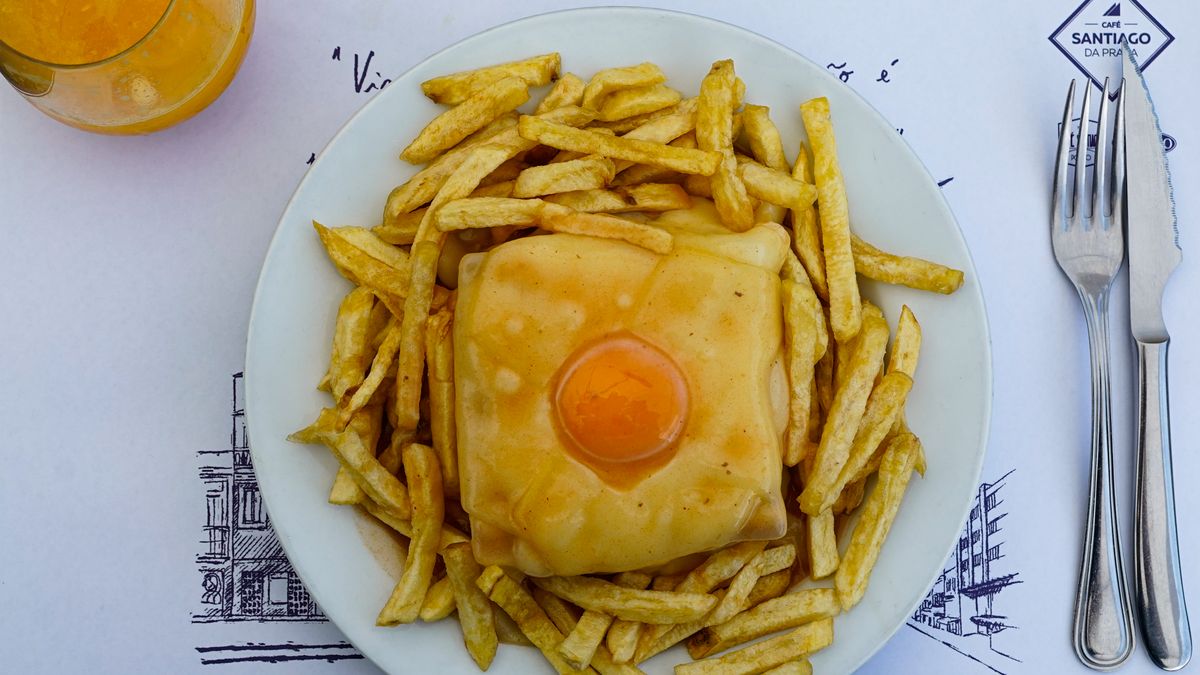
After dark, walk back over the bridge and eat in Baixa or around Aliados, where restaurants are plentiful and close to the metro. Order a francesinha if you want Porto’s best-known dish in one sitting, or choose something lighter if you ate a large lunch. Reserve ahead on Friday and Saturday evenings, because the popular places fill early.
Day 2: Palácio da Bolsa, Ribeira and Port Wine
Day 2 works down the hill to the water, then across the river for the port lodges and back by boat. Plan around two fixed times, your Palácio da Bolsa tour in the morning and your lodge tasting in the afternoon, and let everything else slot around them. The streets down to the Ribeira are steep and polished smooth by centuries of feet, so wear shoes with grip.
Day 2 morning: Palácio da Bolsa and the Ribeira waterfront Map
The Palácio da Bolsa is open daily from 9:00 to 18:30 and can only be visited on a guided tour of about 30 minutes. The ticket costs €14 for adults and €9.50 for students and seniors, and children under 12 with an adult enter free. Tours run in Portuguese, Spanish, French and English, and one guide reports a departure every 30 minutes in English.
After the tour, walk down to the Ribeira waterfront, the stretch of arcaded houses and cafés along the north bank. Stay on the quay rather than in the alleys behind it for the best view of the bridge and the Gaia lodges across the water. Have a pastel de nata at a café on the way down, and save your main coffee for a table facing the river.
Day 2 afternoon: Luís I Bridge and the port cellars in Gaia Map
Cross the lower deck of the Luís I Bridge to reach the Gaia waterfront at river level, or use the upper deck if you want the height, since both are free on foot. The double-deck iron bridge was built in 1886, and its upper deck carries Metro Line D as well as walkers. If your legs are tired from the morning, the Teleférico de Gaia links the waterfront with the top of the bridge in about five minutes, at €7 one way or €10 return.
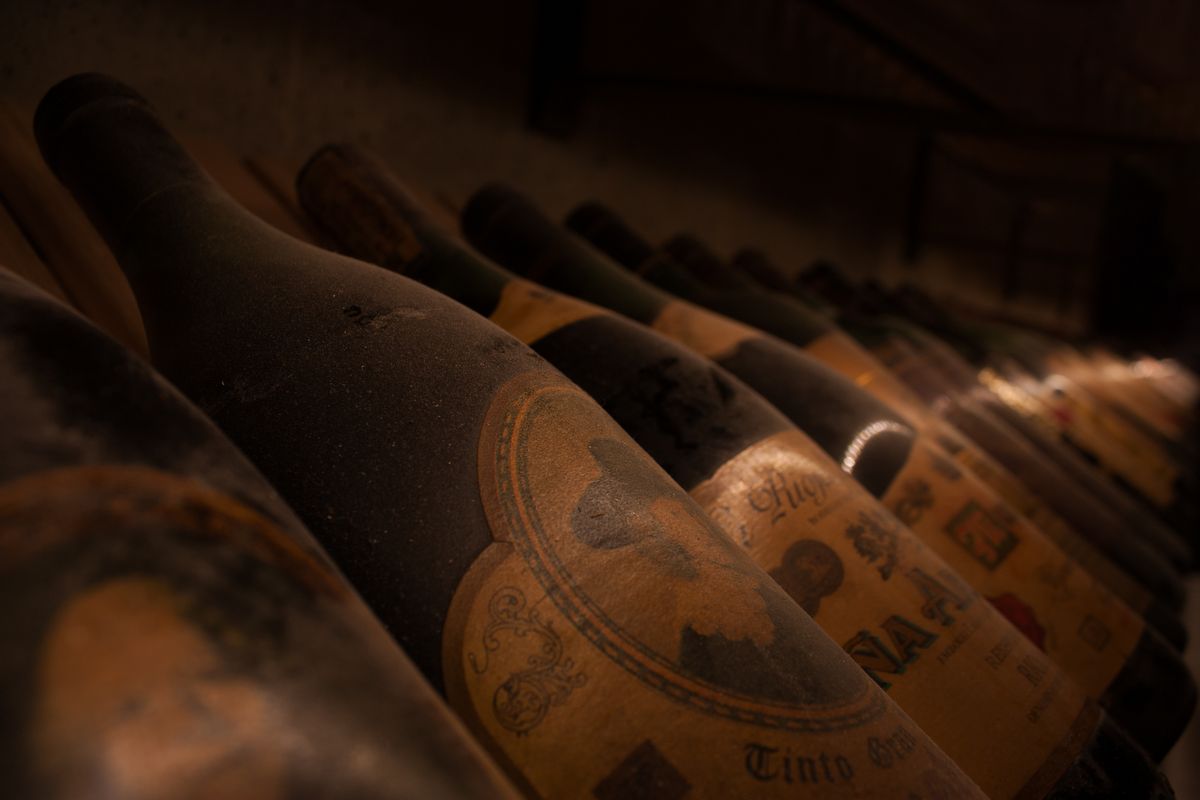
Four well-known lodges sit on the Gaia side: Taylor’s, Graham’s, Sandeman and Cálem. Standard tours last 45 to 90 minutes and cost between €18 and €35 a head, with Sandeman and Cálem around €22 and Taylor’s nearer €30. Timed tours by language sell out on summer weekends, so reserve your slot online as soon as your dates are fixed. Take the tour at one lodge and taste at a second if you want to compare styles.
Day 2 evening: Douro river cruise and dinner in Gaia Map
The short Douro river cruise passes under the six bridges, lasts about one hour and costs around €20 per adult. Late afternoon is when the bridge viewpoints are most crowded, so the boat is a calmer way to see the same skyline. In summer it is sensible to reserve a six bridges cruise before you arrive rather than queue at the quay.
After the cruise, eat on the Gaia waterfront, where the terraces face the lit-up Ribeira across the river. Choose a restaurant serving bacalhau, the salted cod that Portuguese kitchens cook in dozens of ways, if you want a traditional plate. Finish with a glass of tawny or white port, both common on riverside menus. Walk back over the upper deck afterwards, since the crossing takes about ten minutes and the lights on both banks are good.
Day 3: Choose Your Own Route
Day 3 is where the plan branches. Pick the city option if your feet are sore or the forecast is poor, and the day trip if you want landscape outside Porto. Decide the night before, because the trains and any timed tickets reward a fixed plan.
Option A: Bolhão Market, Santa Catarina and Foz do Douro Map
Begin at the Mercado do Bolhão, which reopened in 2022, to see the produce stalls and pick up fruit and cheese for a picnic. Check the current opening hours on the official Visit Porto site before you go, since they can change with the season. The pedestrian shopping street of Rua de Santa Catarina runs out from the market, so it makes an easy second stop.
From the centre, continue to Foz do Douro, the seaside district where the river meets the Atlantic, for a coastal walk and a late lunch. Serralves is the alternative if you prefer contemporary art, and its ticket is listed at €24, so check what that includes before you commit. Choose one or the other, because trying to fit both into a single afternoon would rush each of them.
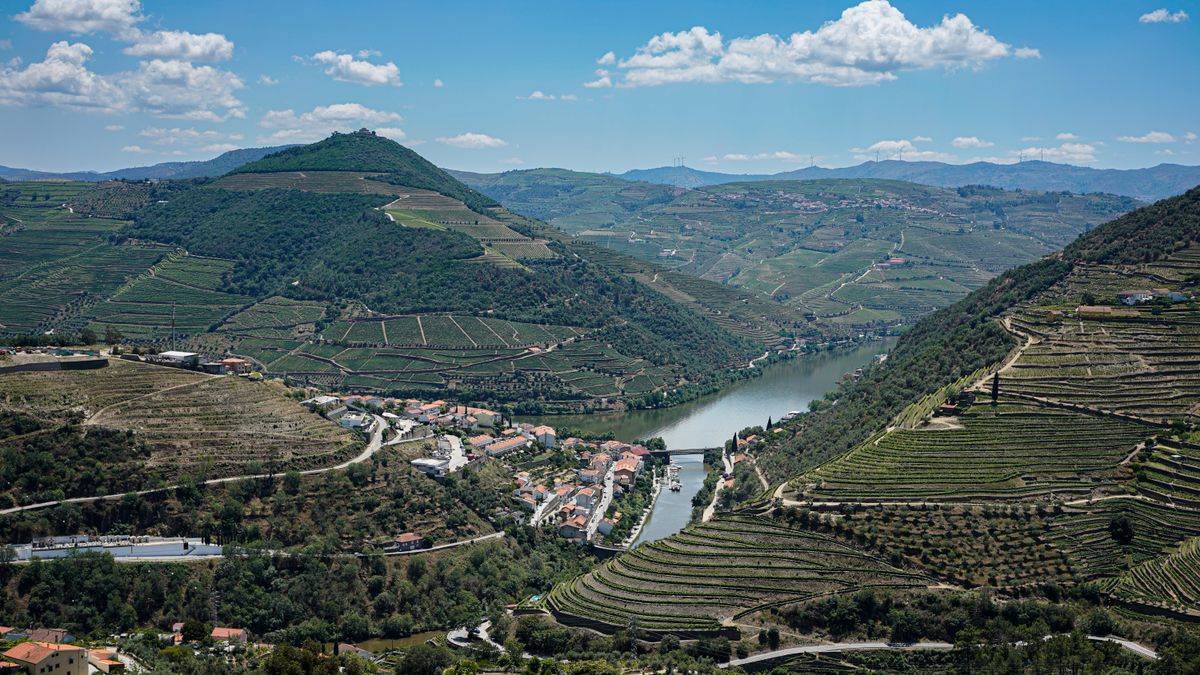
Option B: Douro Valley, Braga or Guimarães by train Map
The Douro Valley by train is the classic day trip, but the line from Porto São Bento to Pinhão takes roughly 2.5 to 3 hours one way. That makes it a full day with little time at the destination, so check the return timetable before you leave. A guided tour costs more than the train, yet it removes the connections and the timing risk, and you can book a guided Douro Valley day trip if you prefer not to manage them yourself.
Braga is about one hour from Porto by train, and Guimarães takes roughly an hour to an hour and 15 minutes. Both are far more comfortable for a day than the valley, and both leave you back in the city for dinner. The departure station, São Bento or Campanhã, depends on the service, so confirm it when you buy the ticket. Match the choice to the weather, because the Douro rewards clear skies while the two towns work well under cloud, and either way your 3 days in Porto finish with a full day away from the crowds.
What to Eat and Drink in Porto
Porto’s food is hearty and built around a handful of dishes that appear on almost every menu. Plan one proper sit-down meal a day and fill the gaps with pastries and small plates. The port lodges on Day 2 cover the drinking, so the rest of your eating can stay simple.
Francesinha, bacalhau and pastéis de nata
The francesinha is Porto’s hearty sandwich, eaten with a knife and fork, and one portion is large enough to share if you are also planning dinner. Try it once in Baixa or near Aliados rather than on a tourist quay, where menus tend to be shorter and less local. Order it at lunch, because a francesinha in the evening will slow you down for the next morning’s climb.
Bacalhau, the salted cod, turns up in many forms, and a waiter will usually recommend the house version if you ask. Pastéis de nata, the custard tarts, are sold in pastry shops across the city, and one with a coffee is the cheapest way to rest your legs. Meal prices change often, so check menu prices at the door before you sit down.
Port wine styles to try in Gaia
Ruby port is the younger, fruit-led style, tawny is aged and nuttier, and white port is often served chilled as an aperitif. Most lodge tours include two to five ports in a tasting, with Graham’s at three to four and Taylor’s at three to five according to one comparison. You will taste the difference between ruby and tawny within the first two glasses, so you do not need a large flight to learn the styles.
Standard cellar tours with a tasting cost around €20 to €27, and Cálem sells a combined cellar visit and fado show for about €28. Graham’s Vintage Room tasting is a premium option at roughly €60 to €70, suited to people who already know they enjoy port. Book your lodge and tasting level ahead, since timed tours by language sell out before walk-ins can get in.
Costs for 3 Days in Porto and the Porto Card
The main costs on this route are the timed entries, the port tour and the cruise, with the rest being transport and meals. Adding the fees up before you leave tells you whether a city card makes sense. The table below uses the prices quoted in this article.
Porto Card price and what it covers
The 72-hour Porto Card costs €16, and the official site says it can save up to €33.65 on attractions and cultural sites. Public transport is no longer included, so you still need Andante tickets or a day pass for the metro. The card gives discounts and some free entries rather than a pass to everything, so check what each of your chosen sights offers.
Attraction fees against the card
| Attraction | Price | Day |
|---|---|---|
| Sé do Porto cloister | about €3 | Day 1 |
| Clérigos Tower and museum | €10 | Day 1 |
| Livraria Lello Gold ticket | €15.95 | Day 1 |
| Palácio da Bolsa | €14 | Day 2 |
| Port lodge tour | €18 to €35 | Day 2 |
| Six bridges cruise | around €20 | Day 2 |
| Serralves | €24 | Day 3, Option A |
The four paid sights on Days 1 and 2 (the cloister, Clérigos, Lello Gold and the Bolsa) add up to €42.95 before any lodge tour or cruise. The card only saves money if the discounts on your chosen sights add up to more than its €16 price, so check the current list of partner discounts before buying. On this route it is likely to pay back, but it does not change the plan if you skip it.
Practical Tips for 3 Days in Porto
Most problems in Porto come from hills, timing and unbooked tickets, all of which you can fix before you leave home. The list below covers the points that most often decide how a day goes.
- Wear walking shoes with grip, because the cobbles are uneven and the streets toward the river are steep.
- Book Livraria Lello and the Palácio da Bolsa ahead, and reserve your port lodge slot for summer weekends.
- Expect the bridge viewpoints to be busiest in the late afternoon, and use the boat or the early evening for a calmer view.
- Check Sunday and holiday opening hours for smaller sights, since the Bolsa’s daily hours do not apply to every attraction.
- The Teleférico de Gaia runs from 10am to 8pm in the warmer months, with service ending earlier from late September.
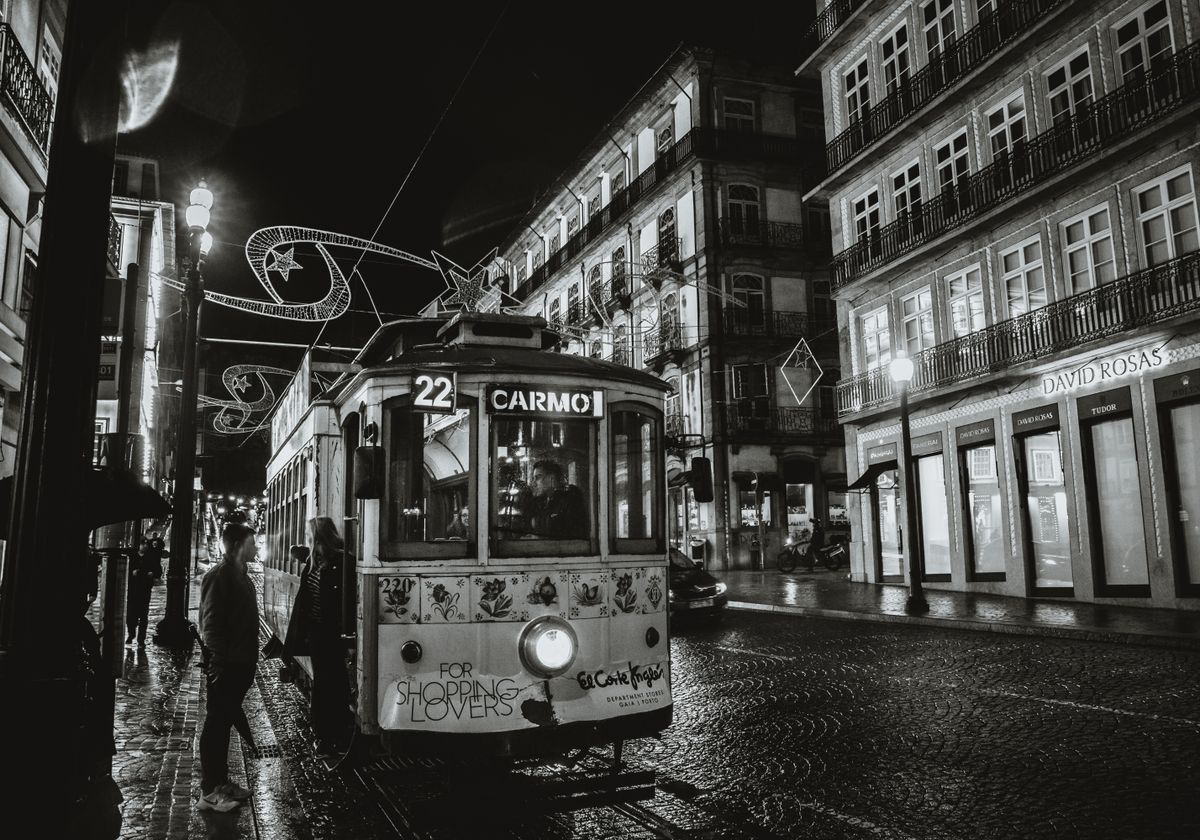
Getting around without a car is simple. Metro Line E links the airport to Trindade, Line D crosses the Luís I Bridge on its upper deck, and the cable car removes one hard climb from Gaia. Most days on this plan need nothing more than your feet and a few Andante rides, and the day trips on Day 3 run by train.
FAQ: Planning Your Porto Trip
Is 3 days in Porto enough?
Yes. 3 days in Porto covers the historic centre, the Ribeira, the port lodges in Gaia and one extra option, either Bolhão and Foz or a day trip to the Douro Valley, Braga or Guimarães. It leaves little time for extra museums or a long stay in the Douro Valley, so add a night if the valley is your priority.
When is the best time to visit Porto?
May to June and September give the best balance of weather, crowds and prices. June brings the São João festival on the night of 23 to 24 June, which is lively but crowded, while November to February is the cheapest period. Book rooms well ahead if you want to be in the city for the festival.
Is the Porto Card worth it?
It can pay off if you visit several paid sights, because the official site says the 72-hour card costs €16 and saves up to €33.65. It no longer includes public transport, so budget for Andante tickets separately. Add up your planned entries first and buy the card only if the discounts clearly exceed €16.
Can you see Porto without a car?
Yes. Metro Line E links the airport to the centre, the upper deck of the Luís I Bridge carries Metro Line D, and the Teleférico de Gaia cuts out a climb. Trains serve Braga, Guimarães and the Douro Valley, and you can check regional options on the Visit Portugal page for Porto and the North.
More from this site: Start Here, When to Go.
Official information and sources: the Porto airport public transport page.
Final Thoughts on Your Porto Plan
With 3 days in Porto you can see the historic centre, the river and one wider slice of the north without rushing. The fixed points are the Livraria Lello slot, the Palácio da Bolsa tour and your chosen port lodge, so book those first and let the rest flex around them. Wear shoes with grip, carry an Andante card and decide your Day 3 the night before. If you finish early anywhere, spend the spare hours by the river, which is where Porto looks best at the end of the day.