

In this guide 27
- Why Take a Douro Valley Day Trip from Porto
- How to Get to the Douro Valley from Porto
- Ultimate 1-Day Douro Valley Itinerary (Self-Guided Train Route)
- Best Quintas and Wine Tastings to Book in Advance
- Seasonal Guide: When to Visit the Douro Valley
- Estimated Costs and Budget Breakdown
- Essential Travel Tips for Your Douro Day Trip
- Frequently Asked Questions About Douro Valley Day Trips
- Is one day enough for a Douro Valley day trip from Porto?
- Which is better for a Douro Valley day trip, Régua or Pinhão?
- Can you do a Douro Valley day trip without a car?
- How much does a Douro Valley day trip cost?
- What should you wear on a Douro Valley day trip?
- When is the best time to visit the Douro Valley from Porto?
- Conclusion
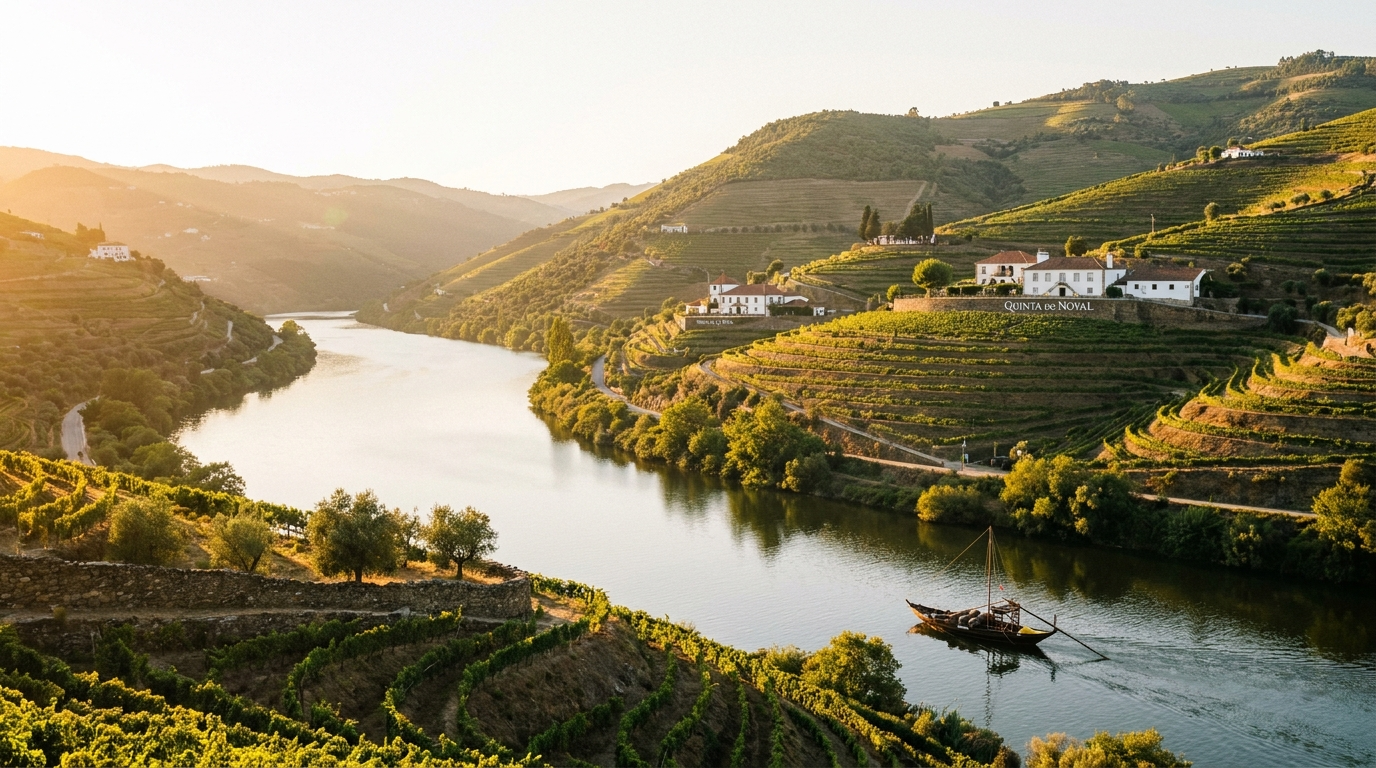
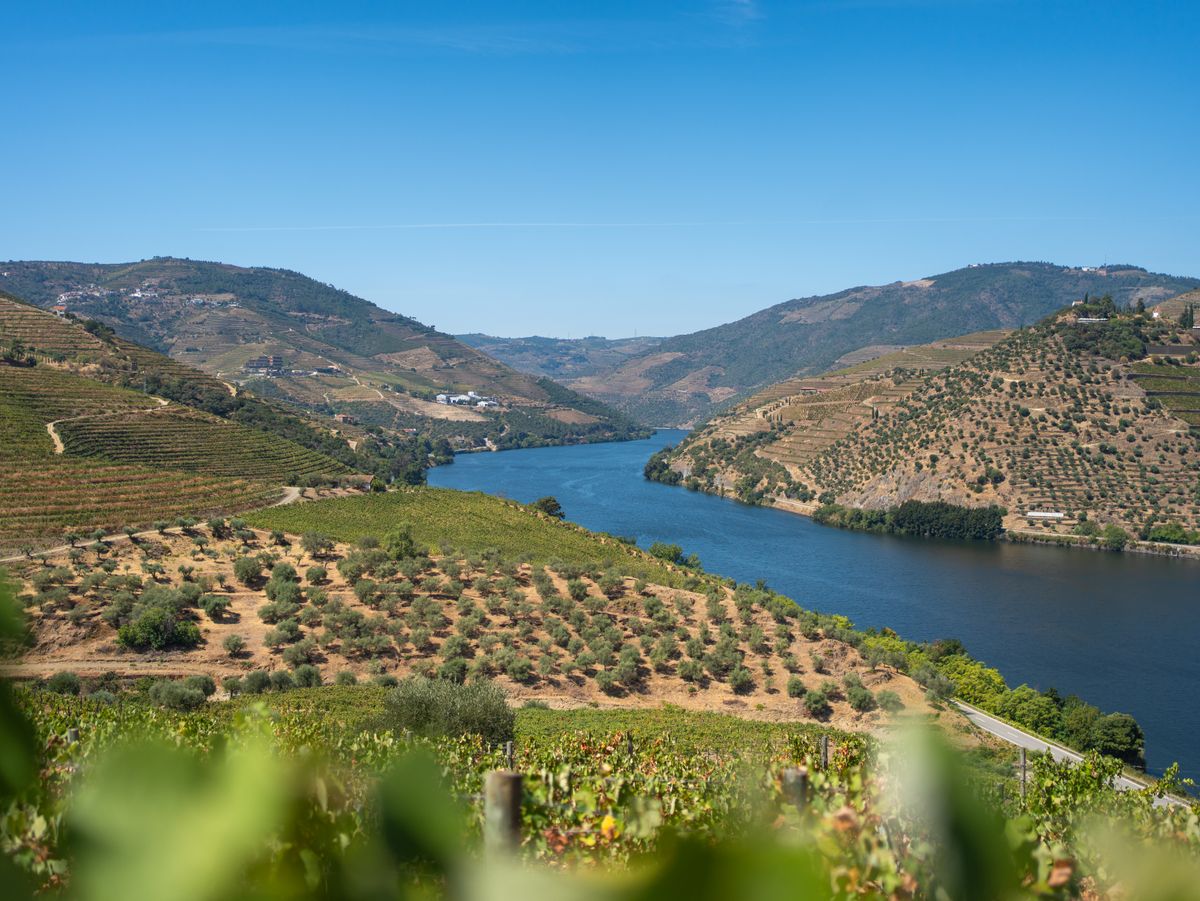
A Douro Valley day trip takes you from Porto into the UNESCO-listed terraced vineyards where Port wine grows. The journey east along the Douro River brings you to wine estates, riverside villages and some of Portugal’s most dramatic wine country. You can reach Peso da Régua by train in under two hours and Pinhão in about two hours and twenty minutes, visit a quinta for a tasting, take a short river cruise and return to Porto the same evening. The trip works best when you book tastings ahead, start early and accept that one day gives you a taste rather than a full tour.
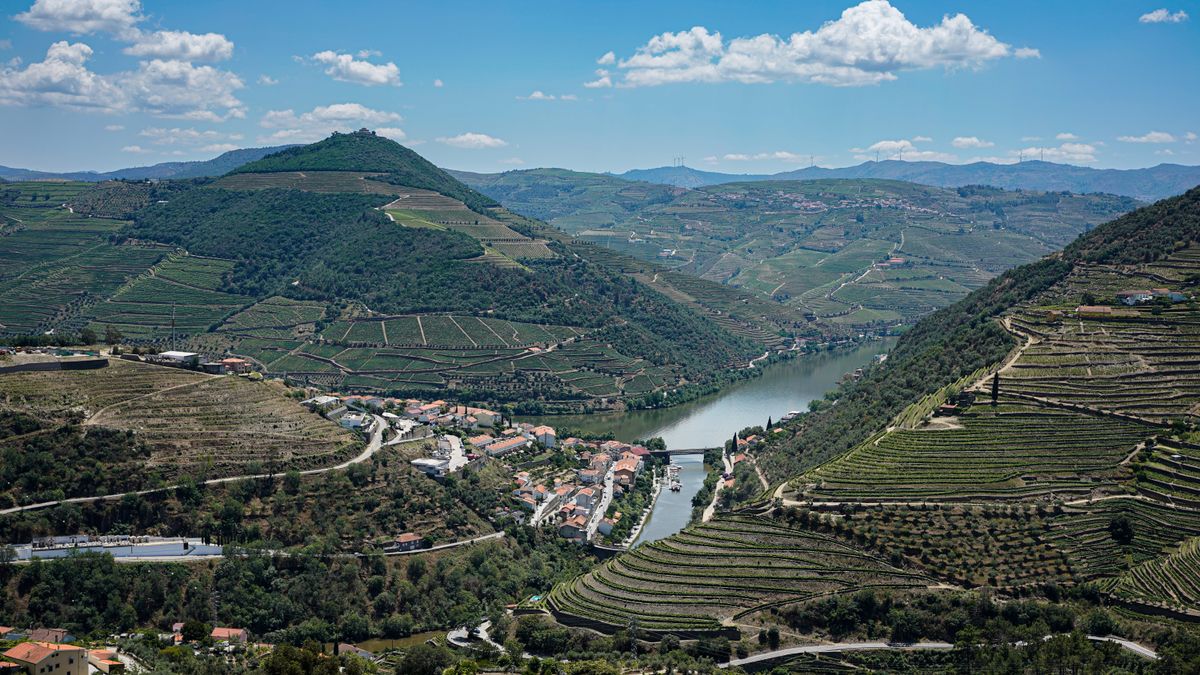
The Alto Douro Wine Region became a UNESCO World Heritage Site in 2001, recognised for centuries of vineyard terraces carved into steep hillsides, and its Port vineyards were first demarcated in 1756. Two towns anchor most day trips: Régua, the valley’s transport hub, and Pinhão, a smaller village surrounded by famous estates and known for its tile-decorated railway station. Both sit on the train line and the river, so you can combine rail, road and water into a single itinerary.
Some links in this guide are affiliate links. If you book through one, Roamdusk may earn a commission at no extra cost to you. It never decides what we recommend.
Why Take a Douro Valley Day Trip from Porto
Porto sits at the mouth of the Douro, where Port wine is aged and sold in the cellars of Vila Nova de Gaia. The grapes grow about 100 kilometres upstream in the Douro Valley, where the climate is hotter, drier and better suited to the varieties that make fortified wine. A day trip connects the two halves of the Port story, showing you where the wine comes from and how the landscape shapes its character.
The valley is large, so a single day limits how much ground you can cover. Most visitors choose between a guided tour that handles logistics and an independent train trip that offers more control over timing. Both work, and both require advance planning because quintas receive visitors by appointment and trains run to a fixed schedule. The trip suits anyone who wants to see working vineyards, taste wine at the source and experience one of Europe’s oldest demarcated wine regions without committing to an overnight stay.
Peso da Régua vs Pinhão: Which Base Should You Choose
Régua is the valley’s main town, with more restaurants, shops and transport connections than Pinhão. It sits at the point where the valley opens and the terraces become steeper. Direct trains reach Régua in about 1 hour 50 minutes from Porto Campanhã, and the town serves as a hub for buses, taxis and river cruises. If you want flexibility or plan to combine wine estates with other stops, Régua is the more practical choice.
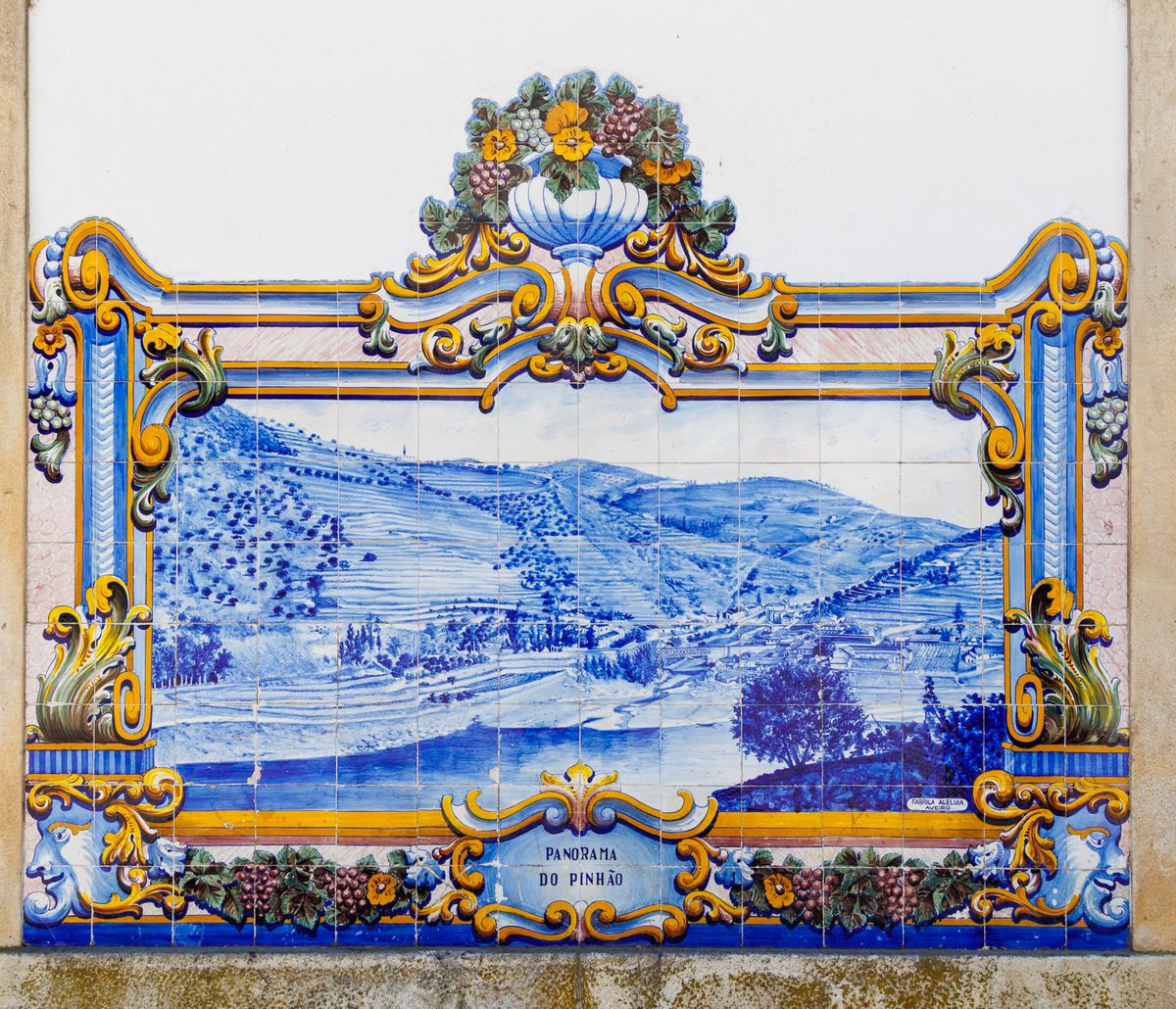
Pinhão is smaller, quieter and more visually striking. Its railway station is decorated with 24 azulejo panels, about 3,000 tiles installed in 1937, and the village sits in the heart of the Cima Corgo subregion, surrounded by some of the Douro’s most photographed quintas. Three estates are within walking distance of the station, making Pinhão the better choice if you want to visit a quinta on foot and avoid taxis. The train from Porto to Pinhão takes about 2 hours 15 to 2 hours 20 minutes, so you lose slightly more time in transit than you would stopping at Régua.
How to Get to the Douro Valley from Porto
Three main options connect Porto and the Douro Valley: the scenic train line that follows the river, a guided minivan tour that includes transport and tastings, and a rental car that gives you control over stops and timing. Each suits different priorities, and the best choice depends on whether you value independence, convenience or the freedom to drink without worrying about driving.
Option 1: Scenic CP Train from Porto Campanhã to Pinhão
The Douro Line runs from Porto east to Pocinho, hugging the river from Pala onwards and offering some of the best views in northern Portugal. Most Douro trains now start at Campanhã, Porto’s main station. From central Porto, the urban train from São Bento reaches Campanhã in 4 to 5 minutes, and metro lines A, B, C, E and F run there from Trindade in about 6 to 7 minutes. Campanhã has ticket machines and a staffed ticket office, so it is the easier place to start if you need help with fares.
Direct InterRegional trains take about 1 hour 50 minutes to Régua and 2 hours 15 to 2 hours 20 minutes to Pinhão. In 2026 a single ticket from Porto costs €12.45 to Pinhão and €10.10 to €11.10 to Régua, so a return to Pinhão comes to about €25. Check departures on CP’s Douro Line page before you travel.
The 09:30 InterRegional from Campanhã reaches Pinhão at 11:46, leaving time for a quinta visit and lunch, and the 07:30 arrives at 09:51 if you want a longer day. Return trains leave Pinhão at 14:07, 16:41 and 18:11; the 18:11 is the last direct train and reaches Campanhã at 20:30. This timetable runs until 2 November 2026.
Option 2: Guided Minivan Tour (Easiest All-Inclusive Route)
A guided tour removes the need to coordinate trains, taxis and quinta bookings. Most full-day tours from Porto include hotel pickup, transport in a small group, visits to two wine estates with tastings, a traditional lunch, a one-hour river cruise and a guide who explains the valley’s history and wine-making traditions. Group tours cost about €80 to €120 per person in 2026, and small-group tours about €140 to €180. Tours typically leave Porto around 8am and return by 7pm, covering Régua, Pinhão and a scenic viewpoint such as São Leonardo da Galafura or Casal de Loivos.
The main advantage is simplicity: you do not need to research train times, book quintas individually or arrange a taxi between the station and an estate. The main disadvantage is lack of control over timing and stops. If you want to linger at one quinta or skip the cruise in favour of a longer vineyard walk, a tour may not suit you. Tours work best for first-time visitors who want an overview without logistical stress, and for anyone travelling in a group where at least one person wants to drink without worrying about driving.
Option 3: Driving the N222 Highway (And Crucial Safety Warnings)
A rental car gives you the freedom to visit estates that are not on the train line, stop at viewpoints when the light is good and build an itinerary around your own timing. Porto to Régua is about 115 kilometres and takes roughly one and a half to two hours; Porto to Pinhão is about 125 to 140 kilometres and commonly takes two hours or more. The N222 between Régua and Pinhão is one of Portugal’s most scenic drives, but it is also narrow, winding and slow, with cyclists, tour buses and limited overtaking opportunities.
The critical rule: do not drive after wine tastings. Designate a sober driver before you leave Porto, book a private transfer with a driver, or choose the train or a guided tour instead. Portugal’s limit is 0.5 g/l of alcohol in the blood, and 0.2 g/l for drivers in their first three years and professional drivers, enforcement is routine, and the N222’s bends and drop-offs make impaired driving especially dangerous.
Transport Comparison Matrix (Cost, Time, Flexibility)
| Option | Cost per person | Travel time Porto to Pinhão | Flexibility | Wine tasting |
|---|---|---|---|---|
| CP Train | About €25 return | 2 h 15 to 2 h 20 | High (you control stops and timing) | Safe, no driving |
| Guided tour | €80 to €120 (small group €140 to €180) | 1.5 to 2 hours (direct minivan) | Low (fixed itinerary) | Safe, transport included |
| Rental car | Daily rental plus fuel and tolls | 2 hours | Very high (you choose every stop) | Requires sober driver |
Ultimate 1-Day Douro Valley Itinerary (Self-Guided Train Route)
This itinerary assumes you take the train to Pinhão, visit one quinta, have lunch and take a short river cruise before returning to Porto. It is built around the 09:30 departure from Campanhã and the 16:41 or 18:11 return, giving you five to six hours in the valley. Adjust the timing if you take the 07:30 train, and from November 2026 to March 2027 plan around the replacement buses.
Morning: Scenic Train Ride and Pinhão Azulejo Station
Board the 09:30 InterRegional at Campanhã. The first hour passes through suburbs and smaller towns, but from Pala onwards the line hugs the Douro and the views open across terraced vineyards and the river. Sit on the right side of the train for the best river views heading east. You arrive in Pinhão at 11:46.
Pinhão station does not advertise any luggage storage, so travel light or leave bags at your Porto hotel. The station’s 24 azulejo panels are worth a few minutes: they show the Douro landscape and Port wine life, from the grape harvest to rabelo boats carrying wine downriver. From the platform, the riverfront is a few minutes’ walk, and the main quintas are between 5 and 20 minutes on foot.
Midday: Quinta Visit, Port Wine Tasting and Vineyard Lunch
Quinta do Bomfim, the home of Dow’s Port, is the most accessible estate for train travellers, about a 5 to 10 minute walk east of Pinhão station. It belongs to the Symington family, who also make Graham’s and Cockburn’s, and the visit includes the vineyard, the lagares where grapes are foot-trodden during harvest, and a tasting of Port and Douro DOC wines.
The Classic Tasting of three Ports costs €30, guided visits with tastings run from €30 to €90, and a self-guided vineyard walk costs €10. Book in advance by phone on +351 254 730 370 or through the Symington website, because walk-ins are not guaranteed. Allow at least 90 minutes for the visit and tasting.
Quinta da Roêda, the Croft Port estate, is another option within walking distance of the station. Its entry-level visit with three Ports costs €20, a self-guided Discovery Tour costs €11, or €27 with a tasting, and a Chocolate and Port Pairing costs €40. Quinta das Carvalhas, the Real Companhia Velha estate, faces Pinhão on the south bank: its entrance is just across the road bridge, about a 10-minute walk from the station, and its terraces climb to the Casa Redonda viewpoint at the summit, which you reach on foot or by minibus.
For lunch, Veladouro on Rua da Praia by the river serves traditional Portuguese cooking with a focus on wood-grilled meat and fish, and has an outdoor terrace. Budget about €20 to €30 per person for a main course and a drink, and arrive before 1pm because the restaurant fills with tour groups in summer. For a more polished meal, Cozinha da Clara at Quinta de la Rosa serves contemporary dishes based on Trás-os-Montes cooking, with vegetables from the estate garden, for about €35 to €50 per person with wine. The estate is about 2 kilometres west of Pinhão, a 15 to 20 minute walk with a short climb or about 5 minutes by taxi.
Afternoon: Traditional Rabelo River Cruise and Viewpoints
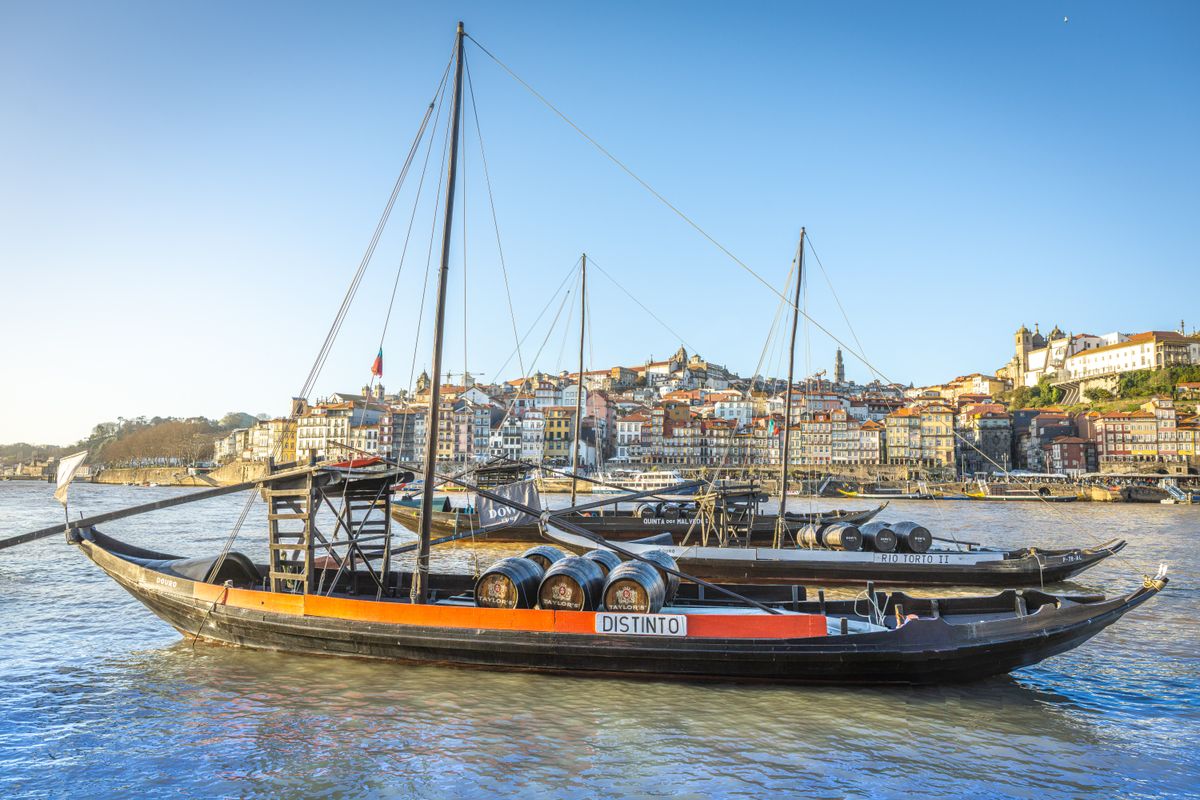
One-hour river trips depart from Pinhão’s quay and cost about €12 to €20 per person. The boats are motorised replicas of the traditional rabelo boats that once carried Port wine barrels downstream to Vila Nova de Gaia. The trip loops upstream or downstream from Pinhão, giving you a water-level view of the terraced vineyards and the quintas that line the river. Several operators sail daily all year, with fewer departures in winter, so book at the quay on arrival or reserve online in July, August and September when demand is highest.
If you have a full afternoon and good legs, walk up to the Casal de Loivos viewpoint above Pinhão. It is about 3.5 to 4 kilometres with roughly 370 metres of climbing on steep roads with little shade, so allow 1 to 1.5 hours up, carry water and wear shoes with grip, or take a taxi. The viewpoint is a free public terrace in the village and offers one of the valley’s most photographed panoramas over the river bend and the terraces.
Late Afternoon / Evening: Return Journey to Porto
The 16:41 from Pinhão reaches Porto São Bento at 19:05, and the 18:11 is the last direct train, reaching Campanhã at 20:30. Be at the station at least 10 minutes early. A later 20:24 departure needs changes at Régua and Marco de Canaveses and reaches São Bento at 23:40, so treat it as a backup only. If you miss the last train, your options are a taxi to Régua for a later connection, a private transfer back to Porto at considerable cost, or an unplanned overnight stay in Pinhão.
Best Quintas and Wine Tastings to Book in Advance
The Douro has hundreds of wine estates, but only a fraction receive visitors, and fewer still are practical for a day trip. The estates listed here are either within walking distance of Pinhão station or are commonly included in guided tours. All require advance booking, especially from May through October.
Quinta do Bomfim is the most visitor-friendly estate around Pinhão, with regular tour times, English-speaking guides and a structured visit that covers the vineyard, winery and tasting room. It is the closest major quinta to the station and stays open daily all year, from 09:30 to 18:30 between November and February. The Classic Tasting includes three Ports; extended visits with vineyard walks and food pairings take longer and cost up to €90.
Quinta de la Rosa sits on the same bank as Pinhão, about 2 kilometres west of the village on the road to Gouvães do Douro. The estate produces both Port and Douro DOC table wines, runs guided tours with tastings in its Port-ageing cellar, and has a small hotel and the Cozinha da Clara restaurant, so it is a good choice if you want to combine a tasting with a longer lunch. Book through the quinta’s website.
Quinta das Carvalhas is one of the valley’s largest estates, with terraced vineyards climbing the hill opposite Pinhão to the Casa Redonda viewpoint. Tasting flights start at €17, a shuttle sightseeing tour costs €15, a vineyard walk €10 and a guided vineyard tour about €48 to €50 per adult. The views from the top are exceptional, and the entrance is a short walk across the bridge from Pinhão.
Quinta do Crasto, at Gouvinhas near Sabrosa, is further from the train line but is included in many guided tours. It is known for high-quality Douro reds, and its 90-minute guided tour with a tasting of five wines costs about €42, with a three-hour visit and paired lunch at about €103. It is not practical for a train-based day trip unless you book a private transfer.
Entry-level visits with a tasting at estates around Pinhão typically cost €20 to €45 per person, include three to five wines and last about 45 to 90 minutes including the guided tour. Premium tastings with older Ports or food pairings cost more, so confirm the price when you book.
Seasonal Guide: When to Visit the Douro Valley
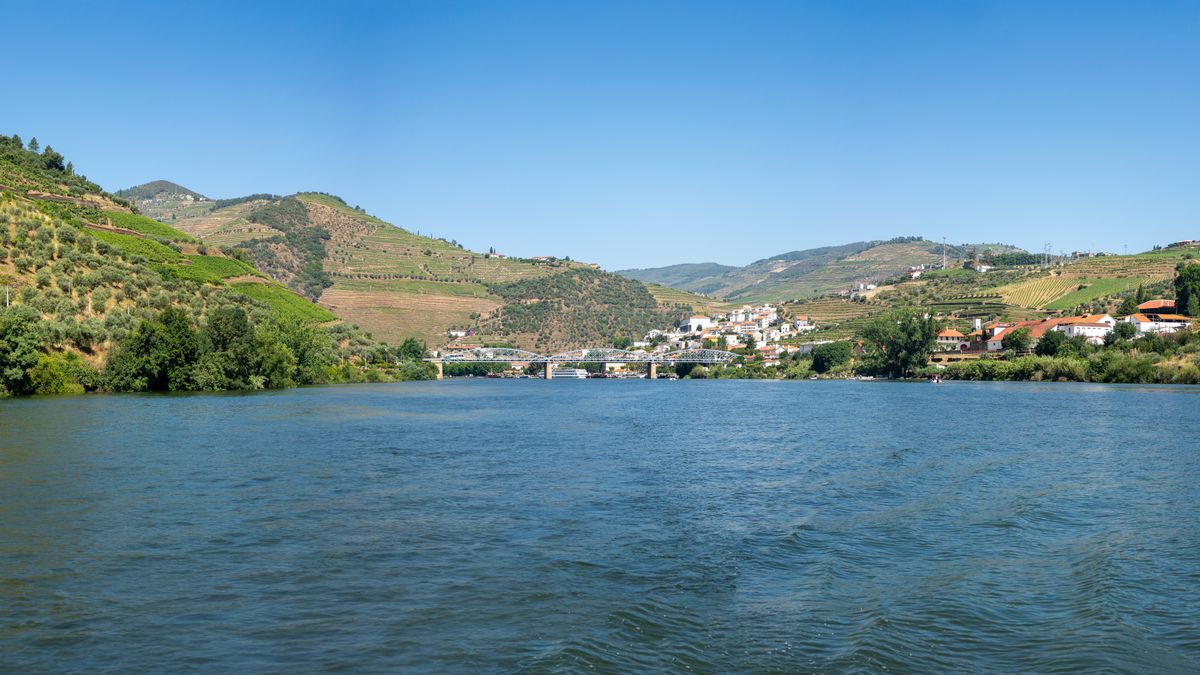
The Douro Valley is open year-round, but the experience changes considerably with the season. The best months balance pleasant weather, open wine estates and manageable crowds, while the wettest months bring rain, shorter days and reduced schedules.
Spring and Early Summer (May to June)
May and June offer some of the best conditions for a Douro Valley day trip. The vineyards are green and lush, temperatures are warm without being oppressive, and most quintas are fully open with regular tour times. Daylight lasts until after 8pm in June, giving you more flexibility with the return train. Crowds are lighter than in high summer, so you have a better chance of securing bookings at popular estates and restaurants without weeks of advance notice.
Late spring is also the season when wildflowers appear on the terraces and the river level is still high from winter rains. The trade-off is that occasional rain is still possible, especially in May, so pack a light waterproof layer. Average highs in Régua are about 23°C in May and 28°C in June, and Pinhão runs a degree or two hotter, which is warm enough for comfortable outdoor walks without the heat of July and August.
Harvest Season (September to October)
September is harvest season, known in Portuguese as vindima, when the grapes are picked and the quintas are at their busiest. The atmosphere is especially lively, with workers in the vineyards, grapes arriving at the wineries and the traditional foot-treading of grapes in stone lagares at some estates. The terraces turn golden and brown, and the light takes on a warmer tone that is prized by photographers. Early October extends the harvest period for late-ripening varieties.
The downside is that some estates restrict or suspend tours during the busiest harvest weeks because staff are occupied with production. If you visit in September, book tastings and visits several weeks ahead and confirm that your chosen quinta will be open. Accommodation and guided tours also fill early, so reserve as far in advance as possible. Despite the logistical challenges, September is one of the best months to visit the Douro if you want to see the valley at work rather than simply taste the finished wine.
Winter and Months to Avoid (November to February)
November through February is the least reliable period for a Douro Valley day trip. October to February is the wettest stretch, with roughly 95 to 145 millimetres of rain a month, daylight is short, and some smaller quintas close or open only by appointment. The vineyards are bare and the terraces brown. Major estates such as Quinta do Bomfim stay open daily, and one-hour boat trips from Pinhão run all year on covered boats, but the long Porto to Régua river cruises are seasonal, running roughly from April to October.
Winter can be quieter and cheaper. If you are flexible, willing to confirm every booking immediately before travel and happy to focus on the wine rather than the scenery, a winter visit is possible. The valley is never crowded in January. Just remember the rail replacement buses between Marco de Canaveses and Régua until 24 March 2027, and have a backup plan if your first choice of quinta is closed.
Estimated Costs and Budget Breakdown
A Douro Valley day trip from Porto can cost anywhere from about €70 to €180 per person, depending on how you travel, where you eat and how many tastings you book. The breakdown below assumes a train-based independent trip with one quinta visit, lunch and a short cruise.
Train fare: about €25 return from Porto to Pinhão, or about €20 to €22 to Régua. Lunch: about €20 to €30 per person at a village restaurant such as Veladouro in Pinhão or O Maleiro in Régua, and about €35 to €50 with wine at an estate restaurant such as Cozinha da Clara. Quinta visit and tasting: €20 to €45 for an entry-level visit, with premium tastings and food pairings costing more. River cruise: about €12 to €20 for a one-hour trip from Pinhão.
A typical independent day trip therefore costs about €80 to €120 per person, excluding drinks, snacks and any additional tastings. A guided group tour costs about €80 to €120 and includes transport, tastings, lunch and a cruise, so it is often comparable in price to an independent trip once you add up all the components. Driving can work out cheaper for a group sharing a rental car, but you must factor in fuel, tolls and the need for a sober driver if you plan to taste wine.
The CP Douro Historical Train, a heritage service with early-20th-century carriages pulled by a diesel locomotive, which runs from Régua to Tua via Pinhão, cost €60 for adults and €32 for children aged 4 to 12 in 2026. It ran on weekends from 6 June to 18 October, plus Wednesdays from late July to September, and the fare includes a welcome glass of Port, traditional music and regional products on board. The 2026 season is over and CP publishes 2027 dates in spring. A one-day Porto to Régua river cruise with meals and a train back to Porto costs about €80 to €120, and a cruise combined with the Historical Train about €155 to €165 per adult in season.
Essential Travel Tips for Your Douro Day Trip
Start early. A train-based day trip requires careful timing because the valley is large and local transport between the station and outlying quintas can be limited. The earlier you leave Porto, the more time you have in the valley and the less you feel rushed by the return train.
Book everything in advance. Winery visits, lunches, cruises and accommodation all fill up, especially from May through October, so do not assume you can arrange things on arrival.
Wear shoes with good grip. Vineyard estates have steep paths, uneven ground and steps, and the Casal de Loivos viewpoint involves a long climb on steep roads. Sandals and smooth-soled shoes are not suitable.
Carry water, sun protection and a light layer. The valley is considerably hotter than Porto in summer, with strong sun on exposed terraces and limited shade. Average highs reach 31 to 32°C in July and August and heatwaves often push past 35°C, so bring a hat, sunscreen and a refillable water bottle. A light jacket is useful for the train, which can be cool in the early morning or late evening.
Check the return train time and do not miss it. The last direct train from Pinhão to Porto leaves at 18:11, and missing it leaves you with expensive or inconvenient options. Be at the station at least 10 minutes early.
Do not drive after tastings. This rule cannot be repeated enough. Portugal’s drink-driving limit is 0.5 g/l, or 0.2 g/l for new and professional drivers, the N222 is narrow and winding, and the consequences of impaired driving are severe. If you want to taste wine, use the train, a guided tour or a private transfer with a driver.
Frequently Asked Questions About Douro Valley Day Trips
Is one day enough for a Douro Valley day trip from Porto?
One day is enough to see the valley, visit one or two quintas, taste wine and take a short river cruise, but it is not enough to explore the region in depth. You will spend about four and a half hours on the train there and back, leaving roughly five to six hours in the valley itself. That is sufficient for a first visit and gives you a sense of the landscape and the wines, but it means choosing between activities rather than doing everything. If you want to visit multiple estates, explore viewpoints at your own pace and have a leisurely lunch, consider staying overnight in Pinhão or Régua instead.
Which is better for a Douro Valley day trip, Régua or Pinhão?
Pinhão is more scenic and sits closer to the valley’s most famous quintas, making it the better choice if you want classic Douro views and easy access to wine estates. Régua is more practical, with better transport connections, more restaurants and a wider choice of accommodation. For a train-based day trip, Pinhão offers the most complete experience, but Régua works better if you want flexibility or plan to combine the valley with other destinations such as Lamego or Vila Real.
Can you do a Douro Valley day trip without a car?
Yes, a Douro Valley day trip without a car is entirely possible using the train. The Douro Line runs from Porto to Pinhão and beyond, and three quintas are within walking distance of Pinhão station: Quinta do Bomfim, Quinta da Roêda and Quinta das Carvalhas across the bridge. Taxis are available in Pinhão and Régua for estates further from the village. A guided tour is another car-free option that includes transport, tastings and a cruise. The train is slower than driving, but it is also more relaxing and lets you drink without worrying about the return journey.
How much does a Douro Valley day trip cost?
An independent train-based Douro Valley day trip costs about €80 to €120 per person, including the return train fare of about €25, lunch, one quinta visit and a short river cruise. A guided group tour costs about €80 to €120 and includes transport, tastings, lunch and a cruise, so it is often comparable in total cost. Driving can be cheaper for groups sharing a rental car, but you must factor in the need for a sober driver if you plan to taste wine.
What should you wear on a Douro Valley day trip?
Wear comfortable walking shoes with good grip, because vineyard estates have steep paths and uneven ground. The valley is hotter than Porto, so choose light, breathable clothing in summer and bring a hat and sunscreen. A light jacket is useful for the train and for cooler mornings or evenings. Avoid sandals, high heels and anything that will be uncomfortable after several hours of walking and standing. If you plan to walk up to Casal de Loivos, wear shoes suitable for a long, steep climb.
When is the best time to visit the Douro Valley from Porto?
May, June, September and early October offer the best balance of pleasant weather, open wine estates and manageable crowds. September is harvest season and provides the most atmospheric visit, but some estates restrict tours because staff are working. July and August are hot and crowded, so book everything well ahead. November through February is the least reliable period, with rain, short daylight and reduced schedules, and from 3 November 2026 to 24 March 2027 buses replace trains on part of the line.
Planning more of Europe? See solo travel in Europe and 3 Days in Porto.
Before you go, check these official pages for the latest details: Visit Portugal's Douro Valley guide, CP’s Douro Historical Train page and the Port and Douro Wine Route.
Conclusion
A Douro Valley day trip from Porto gives you a concentrated taste of one of Europe’s oldest and most beautiful wine regions. The train journey along the river is worth the trip on its own, and adding a quinta visit, a traditional lunch and a short cruise turns the day into a genuine introduction to the valley’s wines and landscapes.
The trip requires planning, early starts and realistic expectations about how much you can fit into one day, but the reward is a break from the city and a chance to see where Port wine actually comes from. Book ahead, start early, and accept that one day is enough to understand why people return for longer stays.