

In this guide 43
- Walk the Walled City
- Walk the City Walls at Sunset
- Castillo de San Felipe de Barajas
- Museums and Churches
- Getsemaní Street Art and Nightlife
- Beach Day: Bocagrande vs Playa Blanca
- Rosario Islands Day Trip
- Food and Coffee Culture
- Shopping: Emeralds and Artisan Crafts
- Three-Day Itinerary
- Best Time to Visit Cartagena
- Costs and Budget
- Getting There and Around
- Where to Stay in Cartagena
- Safety and Practical Tips
- Nearby Places to Combine with Cartagena
- Frequently Asked Questions
- Conclusion
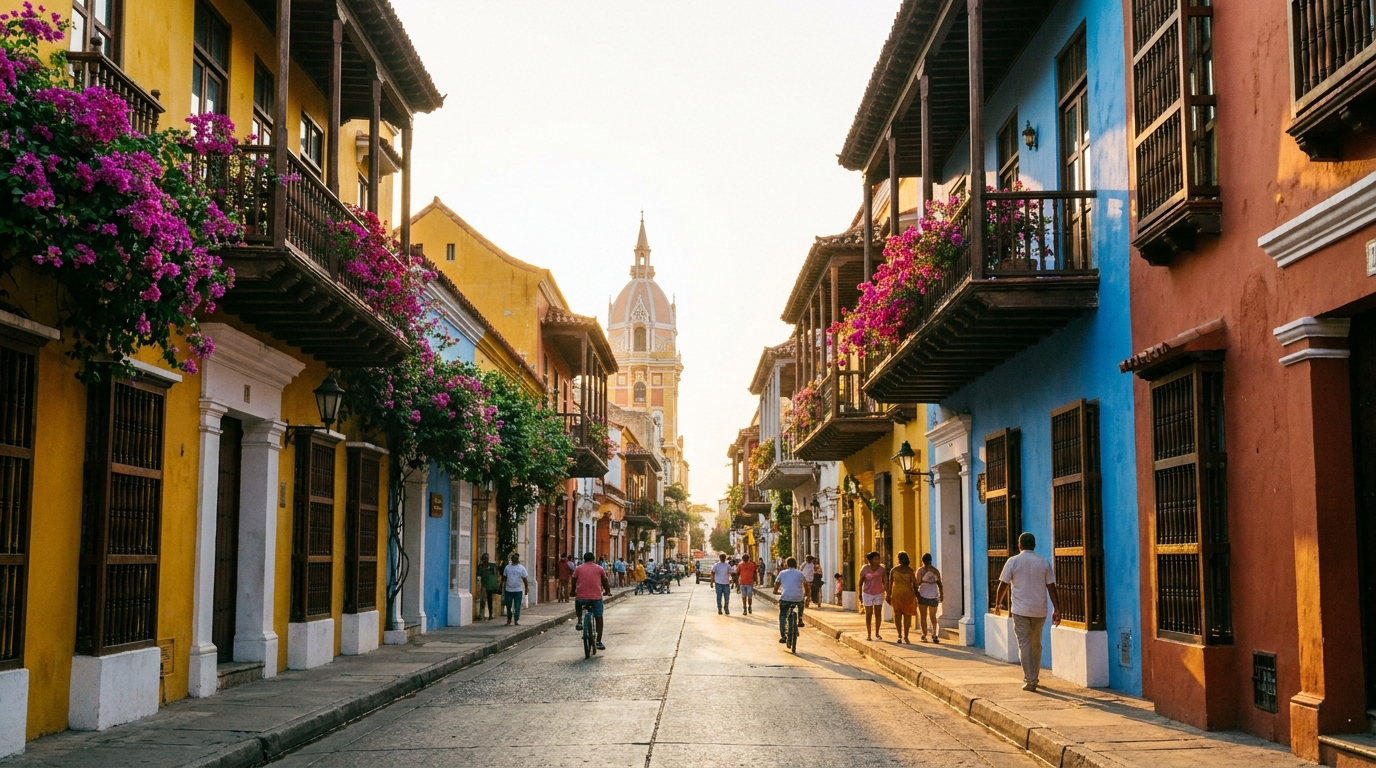
Cartagena sits on Colombia’s Caribbean coast and delivers Spanish colonial walls, Afro-Caribbean energy, fortress tunnels and island beaches in one compact city. The best things to do in Cartagena cluster inside the Walled City and the neighboring Getsemaní district, where you can walk plazas, climb ramparts, explore street art and catch live salsa without needing a car. Most visitors spend three to four days covering the historic core, the Castillo de San Felipe, and at least one boat trip to clearer water.
The Port, Fortresses and Group of Monuments of Cartagena became a UNESCO World Heritage site in 1984, and the colonial center remains remarkably intact. Daytime temperatures sit around 30 to 32 degrees Celsius year-round, so schedule fortress visits early and save the walls for sunset. This guide covers the essential sights, the food and nightlife, realistic costs for 2026, and a three-day itinerary that fits the way people actually move through the city.
Some links in this guide are affiliate links. If you book through one, Roamdusk may earn a commission at no extra cost to you. It never decides what we recommend.
Walk the Walled City
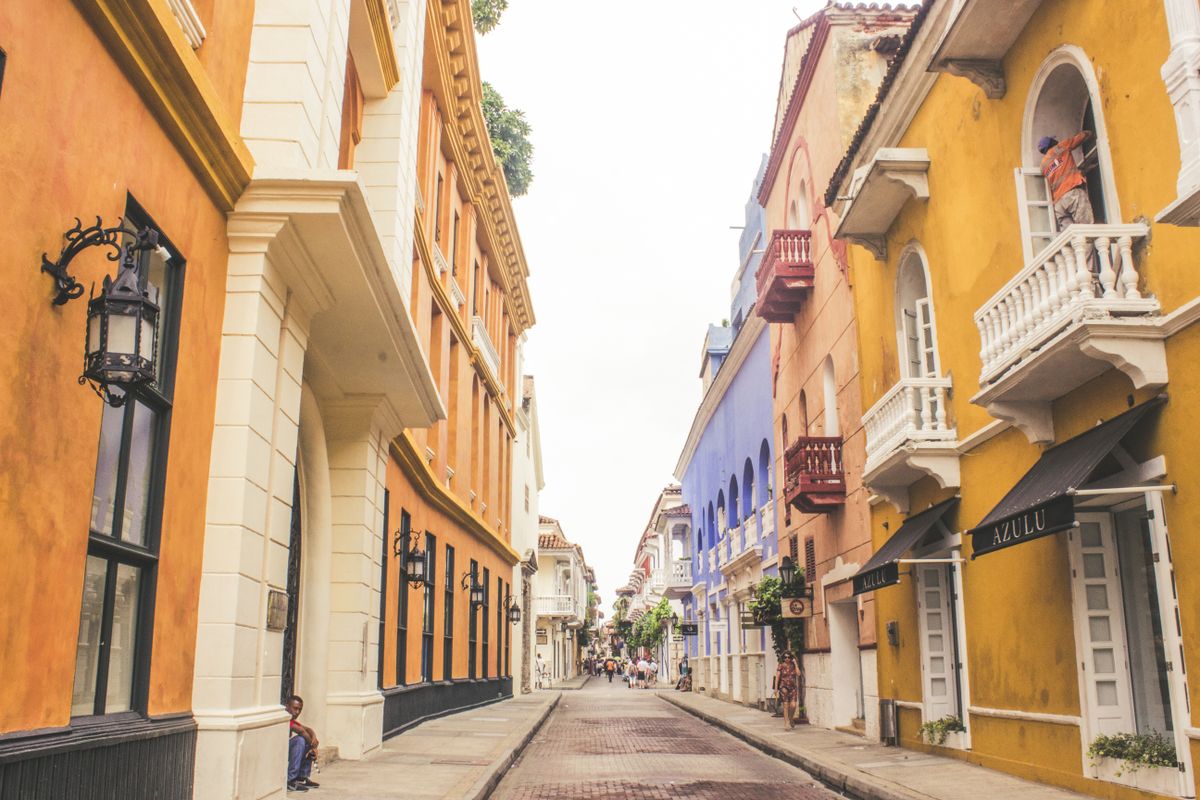
Of all the things to do in Cartagena, a walk through the Ciudad Amurallada is the essential starting point. Founded in 1533 and protected by substantial colonial walls, the district is free to explore on foot. Early morning or after about 4:00 p.m. is the best time, when the heat is less intense and the plazas fill with street musicians and vendors.
Torre del Reloj and Plaza de los Coches
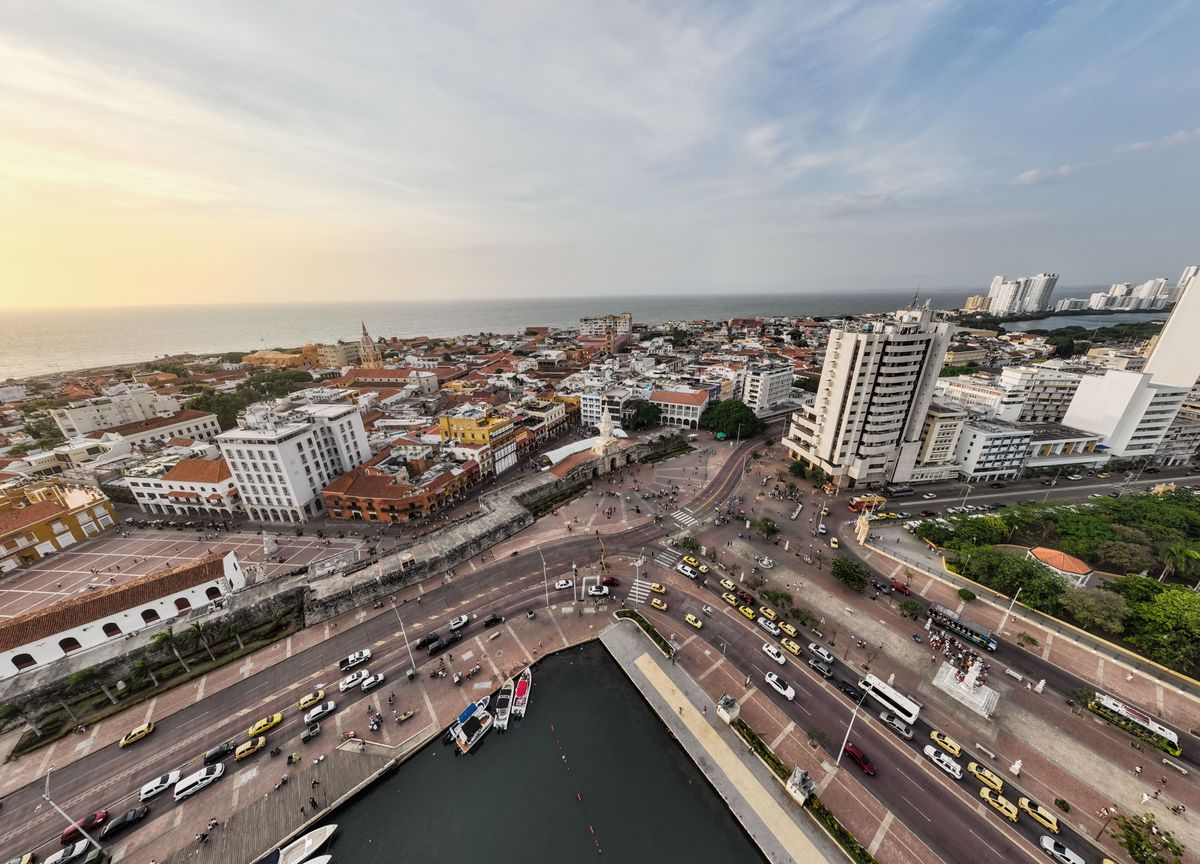
The Clock Tower gate marks the main entrance to the old town and leads into Plaza de los Coches, the first square inside the walls. The gateway dates from the colonial era, while the clock tower above it was added in the late nineteenth century, and it is the most photographed gateway in Cartagena. The plaza around it is lined with arcades that now hold cafes and sweet stalls, and it serves as the natural meeting point for walking tours and orientation.
Pass through the gate and you are inside the historic core, where narrow streets connect a series of open plazas. Bring water and wear a hat, because shade is limited and the humidity is high throughout the year. The streets are paved with uneven stone, so comfortable shoes with grip are more practical than sandals.
Plaza Santo Domingo
Plaza Santo Domingo sits in the heart of the Centro and is known for its church, outdoor restaurants and the Botero sculpture in the center. The square is one of the liveliest in the evening, when tables spill out from the surrounding restaurants and street performers work the crowd. The Church of Santo Domingo is one of the oldest in the city and is worth a quick look inside if the doors are open.
The plaza is also where you will find some of the highest restaurant prices in Cartagena, so check the menu before you sit down. A meal here commonly costs about 50,000 to 100,000 pesos per person before drinks, which is roughly double what you would pay in Getsemaní. The atmosphere justifies the premium if you are celebrating, but the food quality is not always better than what you will find a few blocks away.
Plaza San Diego
Plaza San Diego is quieter and smaller than Santo Domingo, with fewer tour groups and a more residential feel. The square is surrounded by boutique hotels, small galleries and cafes, and it is a good spot to rest between fortress visits and museum stops. The streets radiating from San Diego lead to Las Bóvedas, the craft market built into the northern city walls.
If you are staying inside the Walled City, San Diego is generally the most peaceful quarter. Prices are still high, but the streets are less crowded than around the Clock Tower and the plazas are easier to navigate with luggage or in the middle of the day.
Walk the City Walls at Sunset
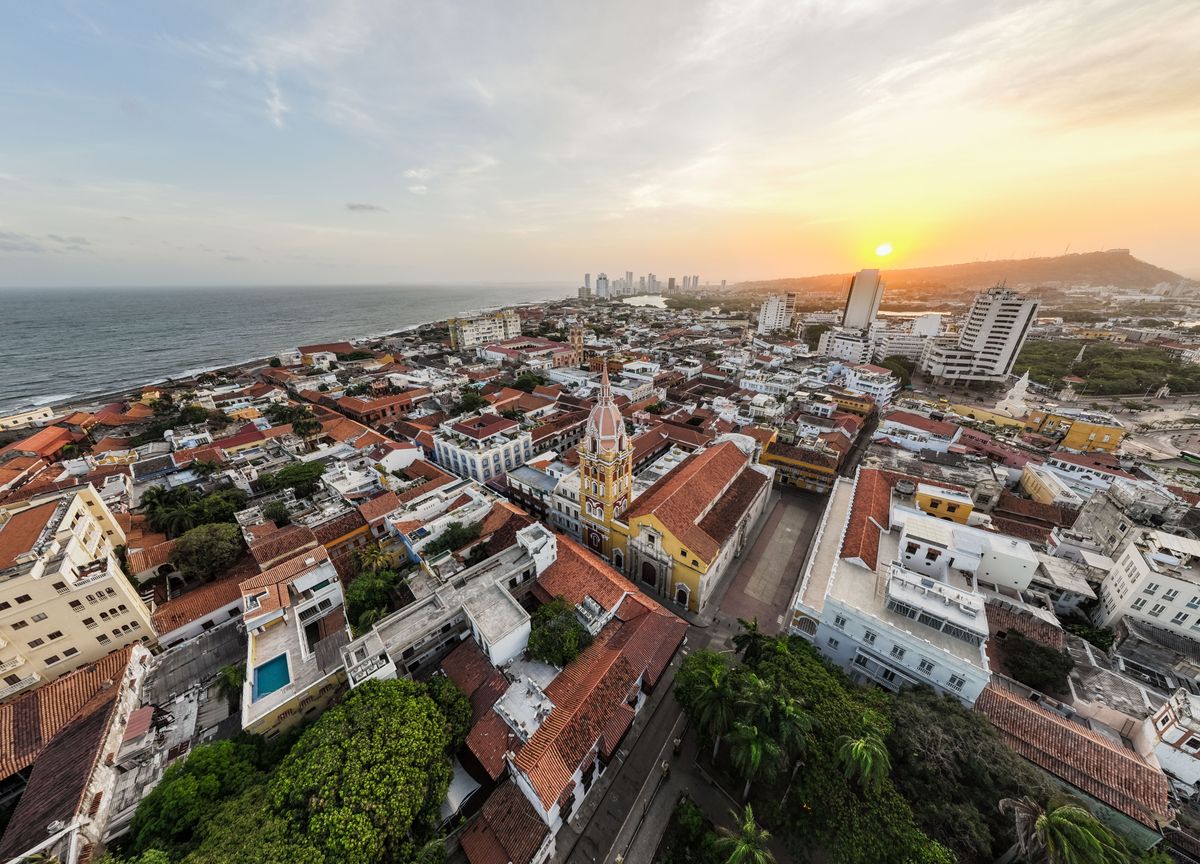
The city walls provide free public access at many points and give views over the Caribbean, the harbor and the old rooftops. The classic sunset spot is the Baluarte de Santo Domingo on the sea-facing western wall, home to Café del Mar, and from there you can walk north along the ramparts toward the bastions near Las Bóvedas. The walk is about one to two kilometers, depending on where you start, and takes roughly 30 to 45 minutes if you stop to take photos.
Arrive about an hour before sunset to claim a spot along the wall or at one of the cafes built into the ramparts. Café del Mar is the most famous sunset bar, but it is also the most crowded and the drinks are expensive. The wall itself is free, and the view is identical whether you buy a cocktail or not.
The walls are also accessible during the day, but the heat makes the walk uncomfortable before late afternoon. If you visit in the morning, keep it short and focus on the views over the harbor and the Castillo de San Felipe in the distance.
Castillo de San Felipe de Barajas
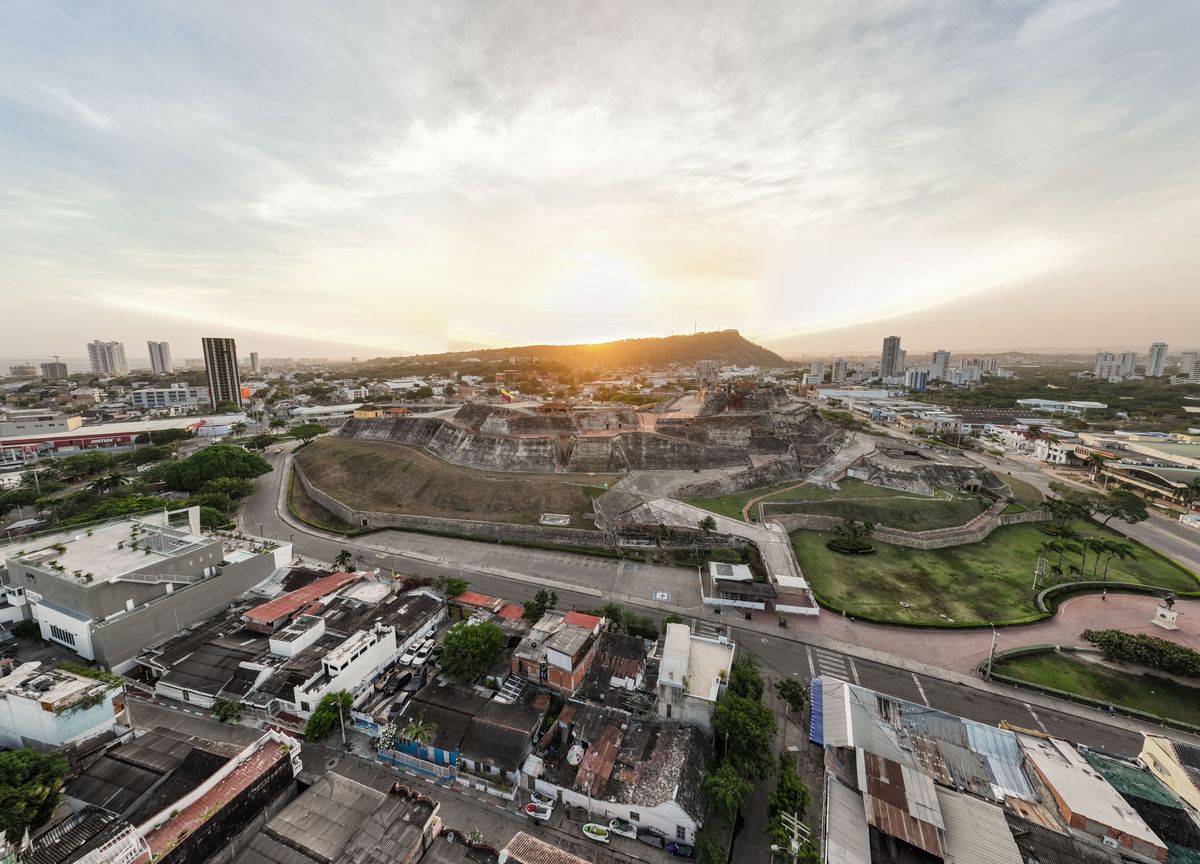
The Castillo de San Felipe stands on San Lázaro hill, just outside the Walled City, and is the largest fortress Spain built in its American colonies. Construction began in 1536 and continued in phases through the seventeenth and eighteenth centuries. The fortress is known for its ramparts, underground tunnels and views across Cartagena, and it is the one sight outside the old town that you should not skip.
Admission for foreign adults is around 36,000 to 38,000 Colombian pesos, with lower rates for Colombians and reduced rates for children, students and teachers, so check the current price on the official fortress website before you go. The castle is open daily, usually from 8:00 a.m. to 6:00 p.m. A taxi from the Walled City commonly takes about 10 minutes and costs roughly 10,000 to 15,000 pesos.
Allow at least 90 minutes to explore the tunnels, climb the ramparts and take in the views. The tunnels are narrow and dimly lit, and they can be claustrophobic if you are uncomfortable in enclosed spaces. The upper levels are exposed to full sun, so visit early in the morning or late in the afternoon to avoid the worst heat.
Museums and Churches
Cartagena’s museums are compact and can each be covered in about 30 to 90 minutes. Most are housed in colonial buildings inside the Walled City, and they provide air-conditioned relief from the midday heat. Major museum admissions commonly cost about 20,000 to 30,000 pesos per adult, and the Museo del Oro Zenú is free.
Palace of the Inquisition
The Palace of the Inquisition is the most visited museum in Cartagena and occupies a colonial building on Plaza de Bolívar. The collection covers the Spanish Inquisition and the history of the city, and admission costs about 24,000 pesos for adults. The building itself is as interesting as the exhibits, with a baroque facade, a central courtyard and carved wooden balconies.
The Inquisition displays include instruments of torture, which are presented with historical context but may be confronting for some visitors. The museum is usually less crowded in the early afternoon, after the morning tour groups have moved on to lunch.
Museo del Oro Zenú
The Gold Museum is free and is closed on Mondays. The collection focuses on the Zenú people, who inhabited the Caribbean coast before Spanish colonization, and includes gold jewelry, ceramics and tools. The museum is small and can be covered in about 30 to 45 minutes, making it a good stop between other activities.
The air conditioning is reliable and the exhibits are well labeled in Spanish and English. The museum sits on Plaza de Bolívar, so it is easy to combine with the Palace of the Inquisition and a walk through the surrounding streets.
Church and Monastery of San Pedro Claver
The Church of San Pedro Claver is dedicated to the Spanish Jesuit priest who ministered to enslaved Africans arriving in Cartagena during the colonial period. The church and adjoining monastery are open to visitors, and the courtyard is one of the most peaceful spots in the old town. Admission is separate from the museums and costs about 15,000 to 20,000 pesos.
The church interior is less ornate than some of the other colonial churches, but the history is significant and the courtyard garden is a good place to rest. The monastery also houses a small museum with religious art and artifacts related to San Pedro Claver.
Getsemaní Street Art and Nightlife
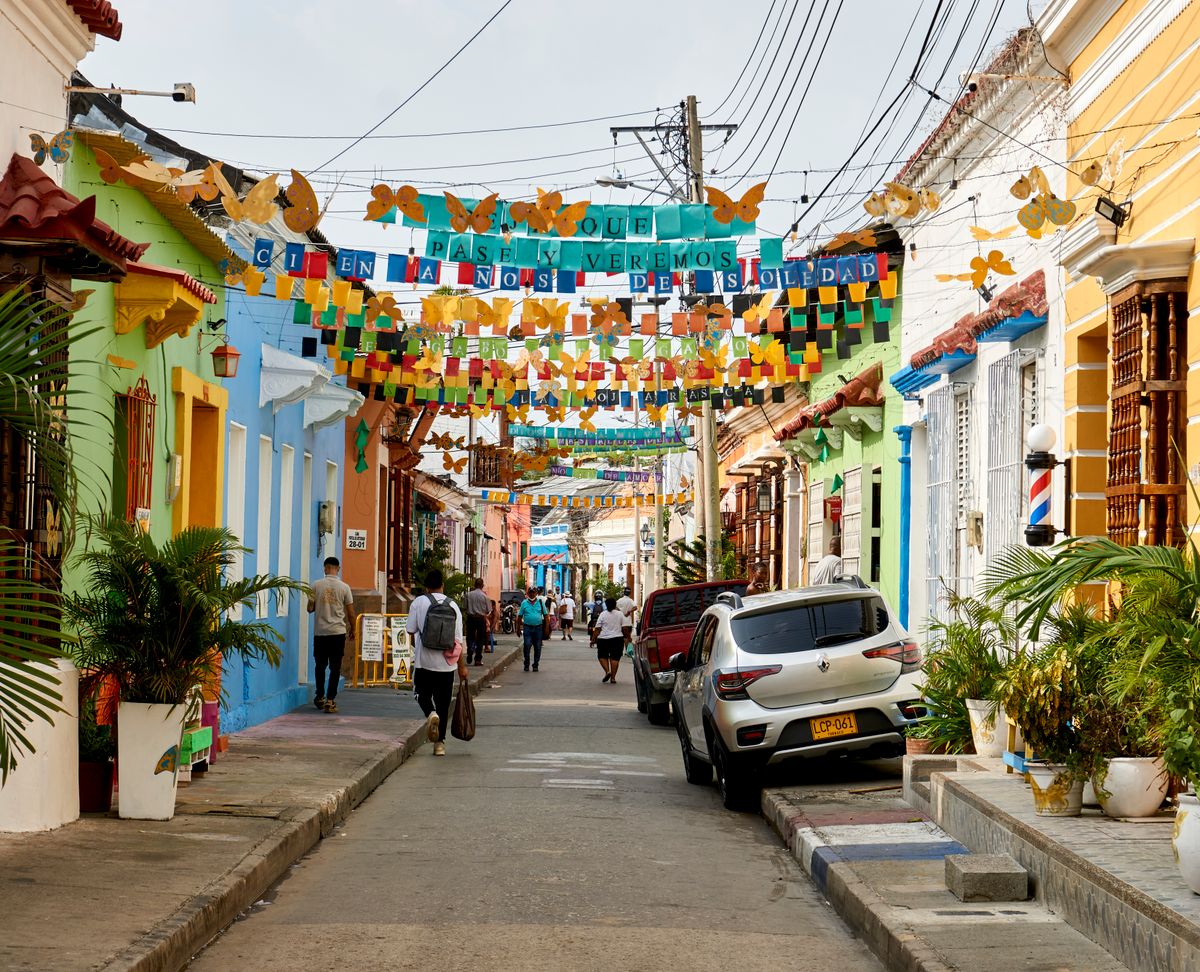
Getsemaní sits just south-east of the Centro and is known for street art, live music, restaurants and nightlife. The district was historically working-class and has gentrified rapidly over the past decade, but it retains more local character and better value than the old town. Most visitors spend at least one evening here, and many choose to stay in Getsemaní for the lower prices and the energy.
Street art and Plaza de la Trinidad
The streets around Plaza de la Trinidad are covered in murals, many of which are large-scale works by Colombian and international artists. The art changes regularly, so what you see will depend on when you visit. The best concentration is along Calle de la Sierpe and the blocks radiating from the plaza.
Plaza de la Trinidad fills up after about 6:00 p.m., when street vendors set up stalls selling arepas de huevo, grilled corn, fruit with salt and lime, and other fried snacks. An arepa de huevo typically costs about 3,000 to 5,000 pesos, and it is one of the best cheap eats in Cartagena. The plaza is also where you will find backpackers, street performers and groups gathering before moving on to bars and clubs.
Salsa clubs and live music
For a strong night out in Getsemaní, start around Plaza Trinidad, then move along Calle Media Luna. Café Havana is the classic choice for live Cuban and Afro-Caribbean music and salsa dancing, and it gets crowded after about 10:00 p.m. Arrive early if you want a table, because the live music and dancing carry on into the early hours.
Quiebracanto is a more local salsa club with DJ nights and live bands on selected nights, and it is better for serious salsa than a polished tourist atmosphere. Bazurto Social Club is the place to go for champeta, Caribbean rhythms and a less polished local feel. For beginners or groups wanting a lesson before dancing, Crazy Salsa operates as both a dance school and a nightclub.
Beach Day: Bocagrande vs Playa Blanca
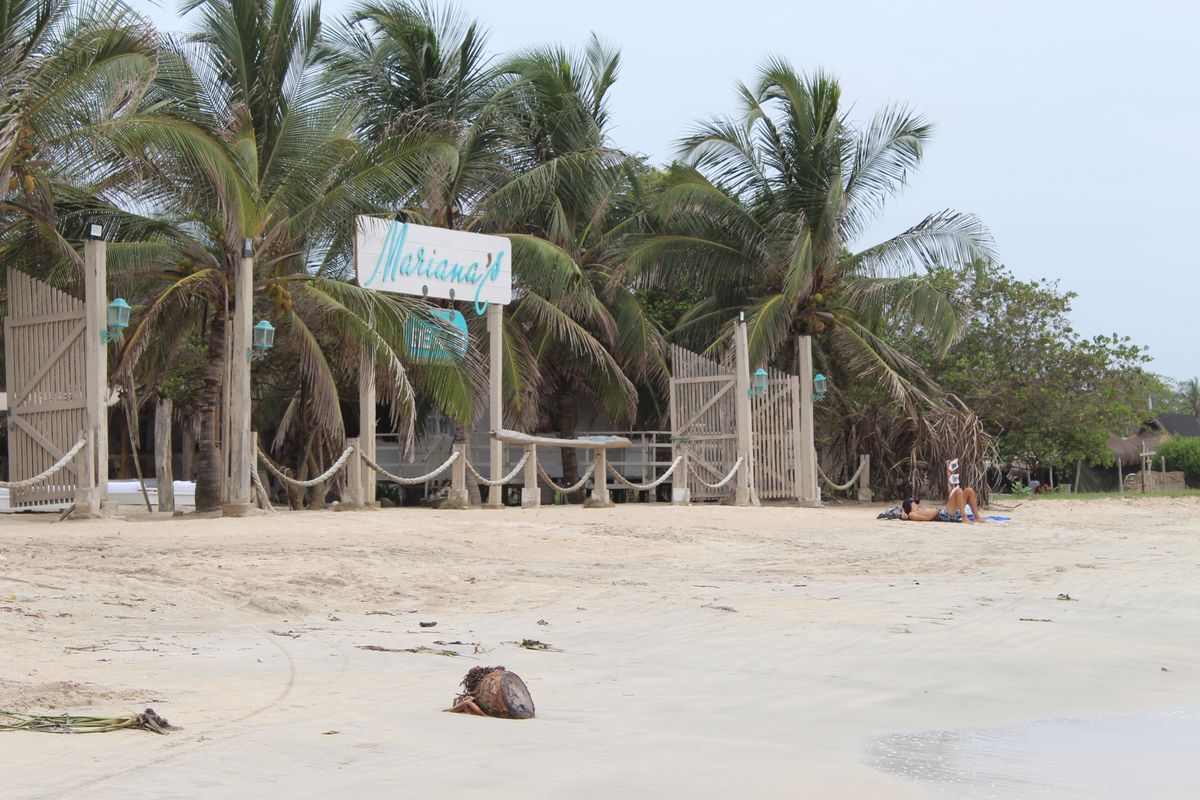
Cartagena’s urban beaches are not the reason to visit, but you have two main options if you want sand and water without a long trip. Bocagrande is the most convenient urban beach, located in the modern hotel zone about 10 to 15 minutes by taxi from the Walled City. The beaches here are less tranquil than the islands, and the water is not as clear, but it is walkable from many hotels and does not require a boat trip.
Bocagrande is lined with high-rise hotels, restaurants and beach clubs, and it has a more Miami-style atmosphere than the colonial core. The beach itself is narrow and can be crowded on weekends, and vendors selling snacks, drinks, massages and boat trips work the sand constantly. Confirm prices before accepting any service, and be prepared to say no repeatedly.
Playa Blanca and Barú Peninsula
Playa Blanca sits on the Barú Peninsula, about 45 to 90 minutes by boat from Cartagena, depending on the departure pier and sea conditions, or around an hour by road over the bridge to Barú. The beach offers clearer water and whiter sand than Bocagrande, but boat trips can be crowded and the beach itself is heavily developed with restaurants, chair rentals and tour groups. Day tours commonly cost about 100,000 to 300,000 pesos per person, depending on whether meals, snorkeling and pier fees are included.
The boat ride can be uncomfortable if the sea is rough, and the beach can be packed with day-trippers during high season. If you are sensitive to crowds or prefer a more relaxed beach experience, the Rosario Islands are a better choice despite the longer journey.
Rosario Islands Day Trip
The Rosario Islands are an archipelago about 35 to 45 kilometers southwest of Cartagena, and a boat trip there is one of the best things to do in Cartagena for clear water, coral reefs and a genuine Caribbean beach. Fast boats commonly take about 45 to 90 minutes from the city, depending on the departure pier, destination and sea conditions. Most visitors go as a day trip, but overnight stays are also possible.
Day trip vs overnight comparison
| Factor | Day trip | Overnight |
|---|---|---|
| Cost | 100,000 to 300,000 pesos per person, often including lunch and snorkeling | 400,000+ pesos per night for accommodation, plus meals and boat transfers |
| Time on the island | About 4 to 6 hours, depending on boat schedule and stops | Full day and evening, with time to explore after day-trippers leave |
| Crowds | Busy during the middle of the day when multiple boats arrive | Quiet in the early morning and after about 4:00 p.m. |
| Flexibility | Fixed departure and return times, little room to adjust | Choose your own schedule and activities |
| Snorkeling and diving | Usually included, but rushed and in crowded spots | More time and access to quieter reefs |
If you have only one day and a limited budget, the day trip is the practical choice. If you have more time and want to experience the islands without the crowds, stay overnight. Ask whether the quoted boat price includes port taxes, food, snorkeling equipment and return transport, because these are often charged separately.
Food and Coffee Culture
Cartagena’s food scene combines Caribbean seafood, Afro-Colombian cooking and colonial-era influences, and eating your way through the Centro and Getsemaní is one of the most rewarding things to do in Cartagena. The best strategy is to combine street snacks in Getsemaní, a dedicated ceviche lunch and a sunset rooftop dinner.
Street food and ceviche
Plaza de la Trinidad in Getsemaní is the best spot for arepas de huevo, grilled corn and other fried snacks, especially after about 6:00 p.m. An arepa de huevo is a breakfast staple, but you will find it at street stalls throughout the day. The arepa is a golden, twice-fried cornmeal pocket filled with an egg and sometimes meat, and it costs about 3,000 to 5,000 pesos.
La Cevichería on Calle Stuart is the classic choice for made-to-order ceviche and seafood, and its cazuela de mariscos is particularly recommended. Budget about 60,000 to 90,000 pesos per person with a beer, and expect a queue. Arrive before 12:30 p.m. or plan extra time, because the restaurant is small and popular.
For a more adventurous market experience, visit Bazurto Market during daylight hours for fried snacks, juices and seafood sold by weight. Expect roughly 8,000 to 15,000 pesos for many market foods, and consider hiring a guide if you are uncomfortable navigating a busy local market alone.
Rooftop dining and coffee
Mar y Zielo is a polished Old Town restaurant in a colonial house with a bar and a rooftop terrace. Reserve in advance, particularly for the rooftop, because it fills up fast. Alquímico is a celebrated multi-level bar with a strong rooftop setting and shareable food, and it is better suited to cocktails and nightlife than a full dinner.
Cartagena has a strong coffee scene centered on the Walled City and Getsemaní. Café San Alberto in the Old Town near the cathedral is a strong choice for specialty coffee and tastings from the San Alberto farm. Época Espresso Bar is a specialty-focused café in the historic center with coffee roasted on-site. For convenience and a familiar Colombian brand, choose Juan Valdez Café, which has locations in the Old Town, Bocagrande and other districts.
Order a tinto, which is plain black coffee usually served small, or try a filtered coffee to taste the bean more clearly. At specialty cafés, ask about the origin, process, roast date and brewing method, because Colombian cafés commonly offer pour-over, espresso and cold-brew options.
Shopping: Emeralds and Artisan Crafts
Cartagena’s best souvenir shopping is concentrated in the Walled City, especially Las Bóvedas in San Diego. The 23 former vaults built into the walls now hold small shops selling crafts, textiles, jewelry, art, hats, hammocks, carved wood, ceramics and Colombian-themed souvenirs. Las Bóvedas is generally open from morning until early evening, although individual vendors vary.
Look for Wayuu mochila bags, woven accessories, hammocks, fique products, handmade ceramics, carved pieces, hats and small artworks. Bargaining is reasonable at artisan stalls, but compare several booths before buying because many sell similar products. Prices range from a few thousand pesos for small souvenirs to 500,000 pesos or more for handmade jewelry and art.
Emerald shopping
Established jewelers around Plaza de Bolívar and the nearby streets of the Centro are the best place in the Old Town for emerald jewelry and higher-end pieces. Buy emeralds only from an established jeweler, never from street sellers. Ask for an invoice, stone specifications, treatment disclosure and certification or gemological documentation, because reputable jewelers should provide paperwork describing the stone’s characteristics and origin.
Colombia is one of the world’s leading emerald producers, and good pieces are available if you know what you are buying. If you are unfamiliar with gemstones, stick to certified shops and avoid making a purchase under pressure. Street vendors and cruise-terminal stalls often sell low-quality stones or outright fakes.
Three-Day Itinerary
Most visitors spend three to four days in Cartagena, which is enough time to cover the historic core, the fortress, one island trip and the food and nightlife. This itinerary fits the main things to do in Cartagena into three days and assumes you are staying in the Walled City or Getsemaní without a car.
Day 1: Walled City and the walls at sunset Map
Start at the Torre del Reloj and walk through Plaza de los Coches into the old town. Explore the streets around Plaza Santo Domingo and Plaza San Diego, stopping at the Palace of the Inquisition and the Museo del Oro Zenú. Have lunch at a mid-range restaurant inside the walls, then rest during the hottest part of the afternoon.
Head to the Baluarte de Santo Domingo, where Café del Mar sits, and walk the sea-facing walls north as the sun goes down. Finish with dinner in Getsemaní, where prices are lower and the atmosphere is more relaxed. If you have energy left, visit Plaza de la Trinidad for street food and live music.
Day 2: Castillo de San Felipe and Getsemaní street art Map
Visit the Castillo de San Felipe early in the morning, before the heat builds and the tour groups arrive. Allow at least 90 minutes to explore the tunnels and ramparts. Return to your accommodation for a break, then spend the afternoon walking the street art in Getsemaní and visiting the Church of San Pedro Claver.
Have ceviche for lunch at La Cevichería, arriving before 12:30 p.m. to avoid the longest queues. In the evening, choose a rooftop restaurant such as Mar y Zielo or Alquímico for cocktails and dinner, then move on to Café Havana or Quiebracanto for live salsa.
Day 3: Rosario Islands or Playa Blanca Map
Take a day trip to the Rosario Islands or Playa Blanca, departing early and returning in the late afternoon. Most tours include lunch and snorkeling, but confirm what is covered before you book. Bring cash, reef-safe sunscreen, a hat and motion-sickness medication if needed.
Return to Cartagena in time for a final walk through the Walled City at sunset, and have dinner at a restaurant you missed on the first two days. If you are leaving the next morning, pack and confirm your airport transfer before you go out.
Best Time to Visit Cartagena
The easiest period for sightseeing and island excursions is generally December through April, especially January to March. These months are typically drier, and trade winds can make the humidity more bearable. December and January are also high season, with higher hotel prices and heavier demand, so book accommodation well in advance if you are traveling during this window.
May through November is wetter, though it can offer lower prices and fewer visitors. September and October are usually the riskiest months for rain, and October is often the wettest month. Rain frequently arrives as a heavy shower rather than an all-day storm, but boat departures and beach plans can be disrupted. No month guarantees dry weather, because Cartagena’s tropical conditions vary from year to year.
Daytime temperatures sit around 30 to 32 degrees Celsius throughout the year, and the humidity is high regardless of season. Heatstroke and dehydration are real risks, so wear light clothing, a hat and sunscreen, and schedule fortress visits early or late in the day.
Costs and Budget
Prices fluctuate with exchange rates, season and booking date, but the following are typical planning figures for 2026. Cartagena is more expensive than many other Colombian cities, especially inside the Walled City and Bocagrande.
| Item | Estimated cost (COP) |
|---|---|
| Castillo San Felipe admission (foreign adult) | 36,000 to 38,000 |
| Palace of the Inquisition admission | About 24,000 |
| Other major museums | 20,000 to 30,000 |
| Rosario Islands or Playa Blanca day tour | 100,000 to 300,000 |
| Inexpensive meal | 20,000 to 45,000 |
| Mid-range meal | 50,000 to 100,000 |
| Hostel dorm bed per night | 50,000 to 120,000 |
| Simple private room per night | 150,000 to 350,000 |
| Boutique or international hotel per night | 400,000+ |
| Local bus fare | About 3,000 to 4,000 |
| Taxi within the city | 10,000 to 20,000 |
Stay inside the Walled City for historic atmosphere and walkability, Getsemaní for nightlife and generally better value, or Bocagrande for modern hotels, restaurants and high-rise views. Prices in the Walled City and Bocagrande are usually highest, and Getsemaní offers the best balance of location and value for most travelers.
Getting There and Around
The nearest airport is Rafael Núñez International Airport (CTG), about 3 kilometers north of the Walled City. A taxi generally takes about 10 to 20 minutes, depending on traffic, and Bocagrande usually takes around 20 to 30 minutes. Authorized taxis are preferable, and fares should be confirmed before departure or obtained through an official taxi process.
Cartagena has no passenger-train service connecting it with Bogotá, Medellín or other major Colombian cities. Long-distance buses use the Terminal de Transportes de Cartagena, roughly 10 to 12 kilometers southeast of the historic center. A taxi from the terminal commonly takes about 25 to 40 minutes. Bus journeys are long: Barranquilla is approximately 2 to 3 hours, Santa Marta about 4 to 5 hours, Medellín roughly 12 to 14 hours, and Bogotá around 18 to 22 hours.
Driving from Bogotá or Medellín is possible but inefficient for most tourists. Bogotá is more than 1,000 kilometers away by road and typically requires about 20 to 24 hours of driving, while Medellín is roughly 650 to 700 kilometers and commonly takes 12 to 14 hours. Road conditions, construction and security conditions can alter these estimates. A car is unnecessary inside the historic center and can be inconvenient because of narrow streets, parking shortages and traffic.
Where to Stay in Cartagena
Your choice of neighborhood will shape your experience more than the specific hotel. The Walled City offers historic atmosphere, colonial architecture and the shortest walking distances to major sights, but prices are high and the streets can be noisy at night. Getsemaní is the best balance of location, value and nightlife, with lower prices, more local character and easy walking access to the old town.
Bocagrande is the modern hotel zone, with high-rise buildings, beach access, air-conditioned malls and international restaurants. It is convenient if you want a resort-style experience or if you are visiting Cartagena as part of a cruise, but it is less atmospheric than the historic districts and requires a taxi to reach the Walled City.
Hostel dorm beds commonly cost about 50,000 to 120,000 pesos per night, simple private rooms roughly 150,000 to 350,000 pesos, and comfortable boutique or international hotels often start around 400,000 pesos and rise sharply in high season. Book well in advance if you are traveling in December, January or during Colombian holiday periods, because accommodation sells out fast.
Safety and Practical Tips
Cartagena is generally safe for tourists, but normal urban precautions apply. Carry a photo of your passport and keep the original securely stored unless identification is required. Use authorized taxis, agree on the fare before you get in, and avoid accepting unsolicited free tours, drinks or transportation. Keep phones and wallets concealed in crowded areas, especially around the Clock Tower, Plaza de los Coches and the beaches.
At beaches and tourist sites, confirm prices before accepting chairs, massages, fruit, drinks or boat services. Vendors can be persistent, and saying no repeatedly is part of the experience. Ask whether the quoted boat price includes port taxes, food, snorkeling equipment and return transport, because these are often charged separately and can double the total cost.
Bottled or properly filtered water is the cautious choice for drinking. Most restaurants and hotels serve safe drinking water, but ask if you are unsure. Avoid ice in street-vendor drinks unless you are confident the water source is clean.
Nearby Places to Combine with Cartagena
If you have more than four days, consider combining Cartagena with one of the following destinations. All are reachable by bus or short flight, and each offers a different side of Colombia’s Caribbean coast.
Rosario Islands
The Rosario Islands are an archipelago about 35 to 45 kilometers southwest of Cartagena, and they are covered in detail earlier in this guide. Fast boats commonly take about 45 to 90 minutes, depending on the departure pier, destination and sea conditions. Allow at least one full day, or stay overnight if you want to experience the islands without the crowds.
Santa Marta and Tayrona National Park
Santa Marta is roughly 4 to 5 hours by bus from Cartagena, and Tayrona National Park adds about 45 to 90 minutes by road, depending on the entrance and traffic. Combine this with Cartagena for Caribbean beaches, hiking and a less urban coast. Tayrona is known for its jungle-backed beaches, wildlife and multi-day treks, and it is one of the most popular national parks in Colombia. The park closes for a couple of weeks several times a year so the ecosystem can recover, so check the dates before you plan around it.
Barranquilla
Barranquilla is around 2 to 3 hours by bus or car from Cartagena, and it is useful for a broader Caribbean itinerary. The city is particularly attractive during Carnival, whose dates vary because they follow the Easter calendar. Outside Carnival season, Barranquilla is less touristy than Cartagena and offers a more everyday look at Colombian Caribbean culture.
Frequently Asked Questions
Is three days enough to see the best things to do in Cartagena?
Three days is enough to cover the Walled City, the Castillo de San Felipe, Getsemaní and one island trip. Four days is better if you want to explore the food scene, visit more museums or take a second beach day. Most visitors find three nights to be the minimum for a satisfying trip without feeling rushed.
What are the best things to do in Cartagena for first-time visitors?
Walk the Walled City, climb the Castillo de San Felipe, walk the city walls at sunset, explore the street art in Getsemaní, and take a day trip to the Rosario Islands or Playa Blanca. Those five activities cover the essential sights and give you a good sense of the city’s history, culture and beaches.
When is the best time to visit Cartagena?
December through April is the driest period, with January to March being the most reliable for sunshine and calm seas. September and October are the wettest months, and boat trips can be disrupted by rain and rough water. High season runs from December through January, so book accommodation early if you are traveling during this window.
How much does a Rosario Islands day trip cost?
Rosario Islands day tours commonly cost about 100,000 to 300,000 pesos per person, depending on the boat, meals, pier fees and whether snorkeling is included. Ask whether the quoted price includes all fees and equipment, because port taxes and snorkel rental are often charged separately. Overnight stays start at about 400,000 pesos per night for accommodation, plus meals and boat transfers.
Is Cartagena safe for tourists?
Cartagena is generally safe for tourists, especially inside the Walled City, Getsemaní and Bocagrande. Use normal urban precautions: keep phones and wallets concealed in crowded areas, use authorized taxis, agree on fares before you get in, and avoid walking alone late at night in quieter streets. Petty theft and bag snatching are the most common risks, and these are easily managed with basic awareness.
Where should I stay in Cartagena?
Stay in the Walled City for historic atmosphere and the shortest walking distances, Getsemaní for better value and nightlife, or Bocagrande for modern hotels and beach access. Getsemaní offers the best balance for most travelers, with lower prices, good restaurants and easy access to the old town. The Walled City is more expensive but more atmospheric, and Bocagrande is best if you want a resort-style experience.
Planning more of the Americas? Read our guide on how to get to Machu Picchu, or our Banff National Park guide.
Before you go, check these official pages for the latest details: Colombia’s official tourism site and the official fortress website.
Conclusion
The best things to do in Cartagena sit inside a compact area, and you can cover the essential sights in three to four days without needing a car. Walk the Walled City early or late to avoid the worst heat, climb the Castillo de San Felipe before the tour groups arrive, and save the city walls for sunset. Take at least one boat trip to clearer water, whether that is a day trip to Playa Blanca or an overnight stay in the Rosario Islands.
Getsemaní is where the food, nightlife and street art live, and it is the best neighborhood for value and local character. The Walled City is the most atmospheric but also the most expensive, and Bocagrande is the modern resort zone. Choose your base according to what matters most, and book early if you are traveling in high season. Cartagena delivers colonial history, Caribbean beaches and Afro-Colombian culture in one walkable city, and it is one of the strongest combinations on South America’s Caribbean coast.