

In this guide 29
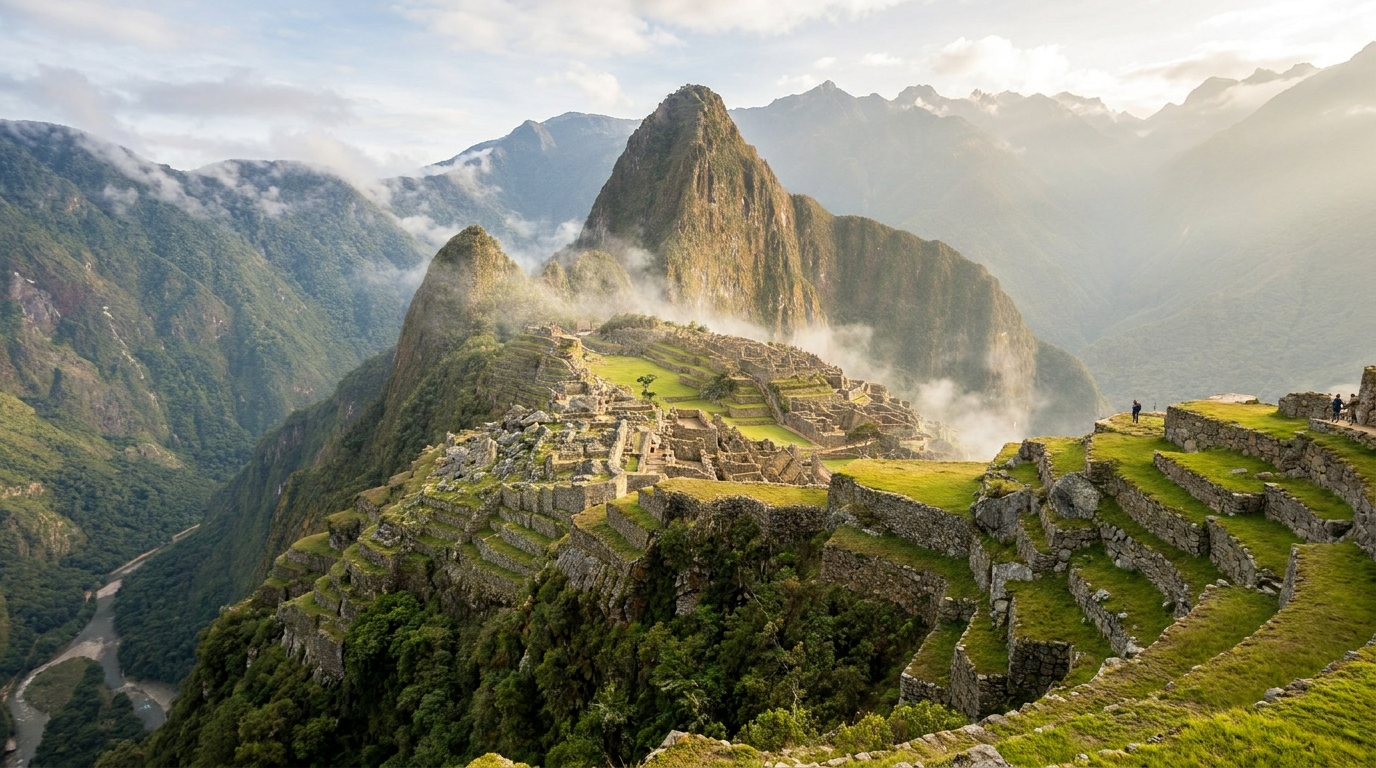
Working out how to get to Machu Picchu is the first puzzle every visitor faces: there is no direct public road to the citadel, so you combine a flight to Cusco, road or rail through the Sacred Valley, and a shuttle bus up the final switchbacks. The standard route takes most travelers from Lima to Cusco by air in about one hour and 20 minutes, then by bus or taxi to Ollantaytambo in roughly 90 minutes, then by train to Machu Picchu Pueblo in about two hours, and finally by shuttle bus to the entrance in 25 minutes.
Budget trekkers can walk the Hidroeléctrica route or hike multi-day trails like the Classic Inca Trail, Salkantay or Lares, but all paths converge at Aguas Calientes and the same shuttle bus. Timing matters: book Machu Picchu tickets and train seats three to six months ahead for May through September travel, and always buy entry tickets through the official TuBoleto portal at tuboleto.cultura.pe.
Some links in this guide are affiliate links. If you book through one, Roamdusk may earn a commission at no extra cost to you. It never decides what we recommend.
Getting to Cusco
Alejandro Velasco Astete International Airport sits at 3,310 meters above sea level, which means altitude sickness is a real risk the moment you step off the plane. Nonstop flights from Lima cover roughly 572 kilometers in about one hour and 20 minutes, and LATAM, JetSMART and Sky Airline operate multiple daily departures.
Most travelers land in Cusco and feel fine for the first few hours, then notice a headache, shortness of breath or nausea by evening. The safest approach is to spend at least one full day in Cusco before heading lower into the Sacred Valley, because Machu Picchu itself sits at 2,430 meters and the train journey drops you gradually through the valley.
If you arrive from another country, you will almost always connect through Lima. International flights land at Jorge Chavez International Airport, and domestic connections to Cusco depart from the same terminal complex. Leave at least two hours between flights if you are checking bags, because Lima’s airport can be slow during peak hours. Once you reach Cusco, take the first day slowly: drink water, avoid alcohol, eat light meals, and resist the urge to walk uphill with a full backpack. Many hotels in Cusco offer coca tea in the lobby, which some travelers find helpful for mild soroche symptoms, though it is not a substitute for proper acclimatization time.
Flight schedules and booking
Lima to Cusco flights run from early morning until late evening, with the earliest departure around 4:40 a.m. and a few late-evening departures after 9:00 p.m. now that Cusco airport stays open until 2:00 a.m. Peak travel months from June through August see higher fares and fuller planes, so book at least six weeks ahead if your dates fall in that window.
If you are flying internationally into Lima and connecting the same day to Cusco, choose a connection window of at least three hours to account for immigration, baggage claim and check-in for the domestic leg. Airlines occasionally delay or cancel the Lima to Cusco route due to weather in the mountains, so travel insurance that covers missed connections is worth considering if you have pre-booked train tickets and Machu Picchu entry on a tight schedule.
Cusco airport is small and efficient, with one baggage carousel and a single exit. Taxis and hotel shuttles wait directly outside arrivals, and the drive into the city center takes about 15 minutes in light traffic. If you plan to head straight to the Sacred Valley on arrival day, arrange a private transfer in advance, because shared shuttles to Ollantaytambo do not depart from the airport itself. Most travelers find it easier to spend the first night in Cusco, acclimatize, and leave for Ollantaytambo or Urubamba the following morning.
Acclimatization and altitude sickness
Cusco sits high enough that soroche affects roughly half of all visitors to some degree, even those who consider themselves fit. Symptoms range from a mild headache and fatigue to nausea, dizziness and insomnia, and they typically appear within six to 12 hours of arrival. The standard advice is to take the first 24 hours easy: no strenuous walks, no heavy meals, no alcohol, and plenty of water. If you have a history of severe altitude sickness, a heart condition or lung disease, ask your doctor about acetazolamide before you travel, because the medication can reduce symptoms if taken a day before ascent.
Spending one or two nights in Cusco before you continue to Machu Picchu gives your body time to adjust, and the train journey down to Aguas Calientes drops you to a lower elevation where most people feel noticeably better. If you arrive in Cusco and feel unwell, rest in your hotel rather than pushing through a walking tour, because overexertion at altitude makes symptoms worse.
Coca tea, available in almost every hotel and restaurant, is a traditional remedy that some travelers find soothing, though clinical evidence for its effectiveness is limited. The key is to listen to your body: if symptoms are severe or worsening, descend to a lower altitude as soon as possible, because serious altitude sickness can become dangerous if ignored.
Cusco to Ollantaytambo
The road from Cusco to Ollantaytambo covers about 60 kilometers and takes between 90 minutes and two hours depending on traffic and your starting point in the city. Most travelers take a shared van, which costs around $10 to $15 USD per person on tourist shuttles and less on the local colectivos that leave from Calle Pavitos in the city center.
Private taxis charge $70 to $90 USD for the whole car and give you the flexibility to stop at Chinchero, Urubamba or the Moray terraces along the way, though you will pay extra if the driver waits while you visit a site. The route climbs out of Cusco through scrubby hills, crosses a high pass, then drops into the Sacred Valley where the landscape opens up and the air feels noticeably warmer and easier to breathe.
Ollantaytambo is the main departure point for trains to Machu Picchu Pueblo, and many travelers choose to overnight here rather than in Cusco because it sits lower at about 2,790 meters and offers a quieter base. The town itself is worth a few hours: the Inca fortress terraces climb the hillside above the plaza, and the streets below the ruins retain their original Inca stone channels and layout.
If you arrive in the afternoon, you can walk the ruins before sunset, have dinner on the plaza, and catch an early morning train the next day. Luggage storage is available at several shops near the train station if you are continuing straight to Aguas Calientes and plan to return to Ollantaytambo the same evening.
Shared shuttles and buses
Shared shuttle vans leave Cusco for Ollantaytambo throughout the day, with the most frequent departures between 6:00 a.m. and 10:00 a.m. to connect with morning trains. You can buy tickets at the terminal on the day of travel, though some operators allow advance booking online or through your hotel. The vans seat about 12 passengers and stop to pick up additional travelers along the route, so journey time varies. Most services take the direct highway through Chinchero, while a few follow the older road through Urubamba, which adds 20 minutes but offers better views of the valley floor and the Vilcanota River.
If you are traveling with a group of three or four, a private car costs only slightly more per person than the shared shuttle and gives you control over timing and stops. Drivers usually speak some English and can suggest viewpoints or markets along the way, and they will drop you directly at your hotel or at the train station entrance rather than at the main plaza. Confirm the price and any extra charges before you set off, because some drivers quote a low fare then add fees for luggage, waiting time or detours.
Train to Machu Picchu
Two companies operate the train service from Ollantaytambo to Machu Picchu Pueblo: PeruRail and Inca Rail. Both run multiple daily departures, and both arrive at the same station in Aguas Calientes after a journey of about 90 minutes to two hours depending on the service. PeruRail offers three main classes: Expedition, Vistadome and the luxury Hiram Bingham, while Inca Rail runs The Voyager, The 360° and The First Class services. For most travelers, the mid-range options like PeruRail Vistadome or Inca Rail 360° offer the best balance of comfort, views and price, with panoramic windows, light snacks and enough legroom to relax.
Tickets for the train should be booked as early as possible, especially if you are traveling between June and August. Both companies release schedules and inventory several months in advance, and the most convenient morning departures sell out first. Prices vary by season, day of week and how far ahead you book, but expect to pay roughly $110 to $145 USD one way for Vistadome or 360° class.
Budget travelers can choose Expedition or Voyager class for around $70 to $90 USD one way, which still includes assigned seating, large windows and a snack service, though the carriages are slightly more basic and the windows do not extend into the roof.
PeruRail vs Inca Rail
PeruRail is the older and larger operator, with more daily departures and a longer track record, while Inca Rail is the main competitor and often offers slightly lower fares for comparable service. Both companies are reliable, punctual and safe, and the journey itself is nearly identical because they share the same tracks and stations.
The main differences come down to onboard experience: PeruRail Vistadome carriages have large side windows and smaller roof panels, while Inca Rail 360° carriages feature wraparound glass including a full observatory section at one end of the train. Some travelers prefer the 360° for photography, while others find the Vistadome layout more comfortable for the full journey.
Inca Rail also offers The First Class service, which includes a three-course gourmet meal, wine pairing, live music and an open-air balcony car, with tickets starting around $425 USD one way. PeruRail’s equivalent is the Hiram Bingham, a full luxury experience with brunch on the way up, afternoon tea on the return, and a guided tour of Machu Picchu included in the package, priced at over $500 USD one way. Unless you are celebrating a special occasion, most visitors find the mid-range services perfectly adequate, because the real attraction is the landscape outside the window rather than the meal service inside the carriage.
| Service | Operator | Class | Approximate Price (one way) | Features |
|---|---|---|---|---|
| Expedition | PeruRail | Budget | $70 to $90 USD | Large windows, snack, assigned seating |
| The Voyager | Inca Rail | Budget | $70 to $90 USD | Panoramic windows, light refreshments |
| Vistadome | PeruRail | Mid-range | $110 to $145 USD | Roof windows, snack service, more space |
| The 360° | Inca Rail | Mid-range | $125 to $145 USD | Wraparound glass, observatory car, onboard Wi-Fi |
| The First Class | Inca Rail | Luxury | $425+ USD | Gourmet meal, wine, live music, balcony car |
| Hiram Bingham | PeruRail | Luxury | $500+ USD | Full meal service, guided tour, premium experience |
Train journey and what to expect
The train departs from Ollantaytambo station, a compact building about 10 minutes’ walk from the main plaza. Arrive at least 30 minutes before departure, because the platform gates close 10 minutes before the scheduled time and latecomers are not allowed to board. The train follows the Urubamba River downstream through a narrow gorge, with the track clinging to the valley wall and the river rushing below.
For the first hour the landscape is dry and rocky, then the vegetation thickens as the train drops in elevation and the climate becomes subtropical. Many travelers prefer the left side heading toward Aguas Calientes, though both sides offer dramatic scenery and the panoramic windows mean you will see plenty regardless of your seat.
Onboard service includes a light snack and a hot or cold drink on most services, and the crew will make a short announcement in Spanish and English about the route and arrival time. The 360° and Vistadome trains sometimes include a short fashion show or cultural performance in the aisle, which some passengers enjoy and others find unnecessary.
The train arrives at Aguas Calientes station, which sits at the edge of town next to the main market. From the platform, walk about five minutes along Avenida Hermanos Ayar to reach the bus stop for Machu Picchu, or continue into town if you are checking into a hotel before visiting the ruins.
Machu Picchu Pueblo to the Citadel
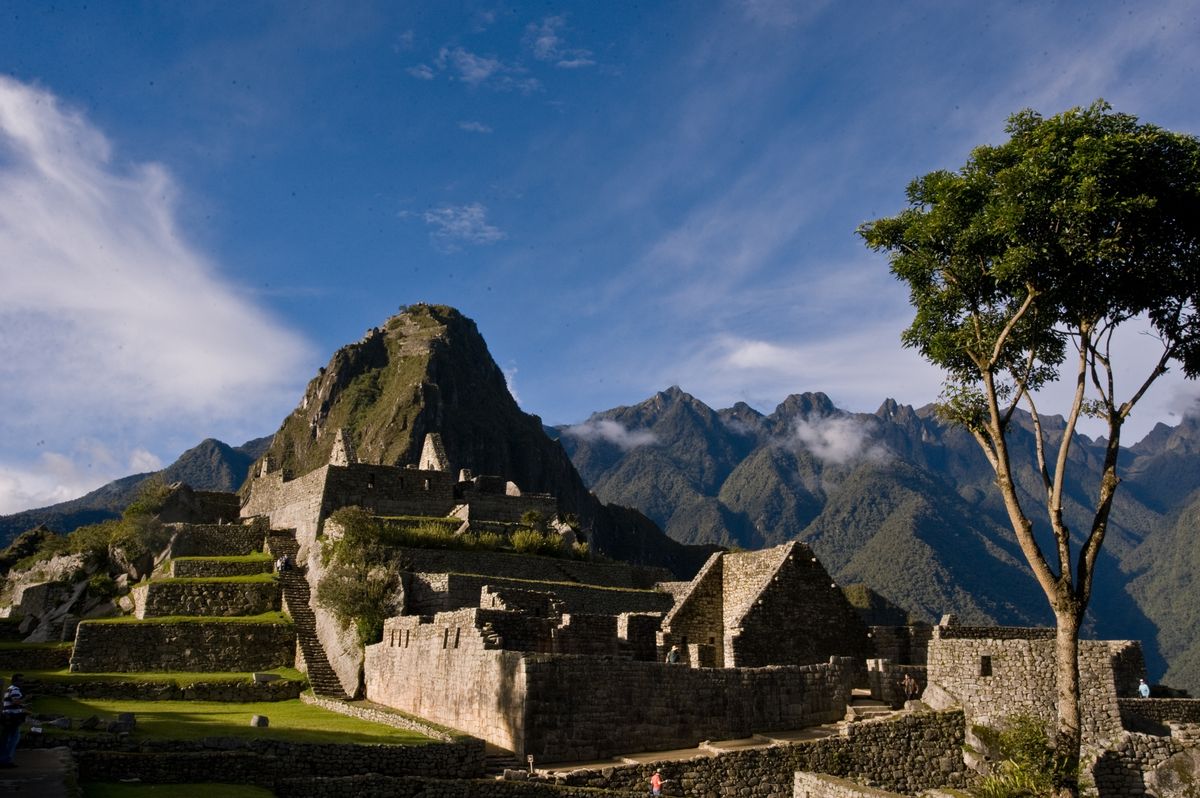
The final leg from Aguas Calientes to the Machu Picchu entrance is a 25-minute shuttle bus ride up a series of steep switchbacks on the Hiram Bingham Road. Buses are the only motorized way up: Consettur has run the route for decades, and San Antonio de Torontoy also operates while a new concession is settled. Buses leave every 10 to 15 minutes from 5:30 a.m., and the last ones come down around 5:30 to 6:00 p.m. Round-trip tickets cost $24 USD for foreign adults, $12 USD one way, with reduced fares for children.
You can buy tickets online in advance or in person at the ticket office in Aguas Calientes, and buying them the day before saves time in the morning. The morning queue can be long during high season, so travelers with early entry slots often line up 60 to 90 minutes before the first bus to secure a place near the front.
The alternative to the bus is to walk up the same road or take the steep staircase trail that shortcuts the switchbacks. The walk takes about 90 minutes to two hours depending on fitness and acclimatization, and it gains roughly 400 meters of elevation, so most visitors find it strenuous, especially in the humid morning air.
The staircase trail is not well maintained and can be slippery after rain, and you will still arrive at the same entrance checkpoint as the bus passengers, often feeling too tired to fully enjoy the ruins. Save your energy for exploring Machu Picchu itself, and take the bus unless you have a specific reason to walk or are trying to save the fare.
Bus schedules and timing
The first bus leaves Aguas Calientes at 5:30 a.m., and this is the most contested departure of the day because it delivers passengers to the entrance in time for the earliest entry slots at 6:00 a.m.
If you have a 6:00 a.m. ticket, plan to be in the bus queue by 4:45 a.m. at the latest during June, July and August, because hundreds of other travelers have the same plan and the line can stretch back several blocks. The queue moves quickly once the buses start running, and extra vehicles are added during peak periods, so even if the line looks intimidating you will usually board within 30 minutes of the first departure.
Return buses run continuously from the Machu Picchu exit area back down to Aguas Calientes until about 5:30 to 6:00 p.m., when the site closes. Most visitors spend two to four hours inside the ruins, so if you enter at 6:00 a.m. you will likely be ready to leave by 10:00 a.m. or noon. The return queue is rarely as long as the morning uphill queue, and you can usually board within 10 to 15 minutes of arriving at the bus stop. Keep your round-trip ticket safe, because you will need to show it to board the return bus, and replacements are not issued for lost tickets.
Budget and Trekking Routes
The train is comfortable and reliable, but it is also the most expensive part of the journey to Machu Picchu. Budget travelers can cut costs by taking the Hidroeléctrica route, which replaces the train with a shared van from Cusco to the Hidroeléctrica station followed by a two-and-a-half-hour walk along the railway tracks to Aguas Calientes.
The full journey from Cusco takes about six to seven hours, and the van ride is long, winding and uncomfortable, with sections of unpaved road and steep drop-offs. The walk from Hidroeléctrica to Aguas Calientes is flat and easy, following the river through subtropical forest, but it offers no views of Machu Picchu itself and you are walking on an active railway line where trains pass occasionally.
Shared vans to Hidroeléctrica leave Cusco early in the morning, usually between 6:00 a.m. and 8:00 a.m., and cost around $15 to $25 USD per person one way. The route goes via Santa Maria and Santa Teresa, with a stop for breakfast or lunch along the way, and the final stretch to Hidroeléctrica is on a rough gravel road that can be impassable during heavy rain.
Once you reach Hidroeléctrica, the walk to Aguas Calientes is straightforward: follow the railway tracks downstream, keeping to the left side where there is a narrow footpath, and watch for trains. Most walkers take about two and a half to three hours, and there are no facilities or water sources along the way, so carry enough water and snacks for the full distance.
Classic Inca Trail
The Classic Inca Trail is a four-day, three-night trek that starts at Kilometer 82 on the railway line and finishes at the Sun Gate above Machu Picchu. Permits are strictly limited to 500 people per day including guides and porters, and they sell out six to 12 months in advance for the dry season from May through September.
You cannot hike the Inca Trail independently: all permits are sold only through licensed tour operators, and the package includes guide services, porters, meals and camping equipment. Prices vary by operator and group size, but expect to pay around $750 to $1,500 USD per person for a standard group trek, or more for private departures and higher service levels.
The trail crosses two high passes, with the highest point at Dead Woman’s Pass reaching 4,215 meters, so good acclimatization in Cusco is essential before you start. The trek is moderately strenuous, with long days of hiking on uneven stone steps and steep ascents, and the campsites are basic with shared toilet facilities. The reward is walking through cloud forest, passing multiple Inca ruins, and arriving at Machu Picchu through the Sun Gate at sunrise on the final morning, which many trekkers consider the highlight of the entire journey. The trail is closed every February for maintenance, so plan around that if your travel dates are flexible.
Salkantay and Lares treks
If Inca Trail permits are sold out or you prefer a less crowded route, the Salkantay and Lares treks are popular alternatives that do not require the same restricted permits. The Salkantay trek is a five-day route that crosses a high pass below Salkantay mountain at about 4,600 meters, then descends through cloud forest to Santa Teresa and Hidroeléctrica, finishing with a train or walk to Aguas Calientes.
It is more physically demanding than the Classic Inca Trail because of the altitude and the long daily distances, but it sees fewer trekkers and offers dramatic mountain scenery. Tour operators charge around $300 to $500 USD per person depending on group size and service level, and the trek can be done year-round though the pass is often snowed in during the wettest months from January through March.
The Lares trek is a shorter three-day route through traditional Quechua villages in the mountains north of the Sacred Valley, finishing at Ollantaytambo where you catch the train to Aguas Calientes. It is less strenuous than Salkantay and focuses more on cultural encounters than high-altitude trekking, with visits to weaving communities and hot springs along the way.
Lares trek packages cost around $250 to $400 USD per person, and the route is a good choice if you want a trekking experience but are concerned about altitude or fitness. Neither Salkantay nor Lares delivers you directly to Machu Picchu on foot, so both routes end with a train journey or the Hidroeléctrica walk, which some trekkers find anticlimactic after several days in the mountains.
Machu Picchu Tickets and Circuits
Entry to Machu Picchu is controlled by timed tickets sold through the official TuBoleto portal at tuboleto.cultura.pe, and no other website is authorized to sell them directly. The standard ticket costs 152 soles for foreign adults plus an 11-sol conservation fee added in May 2026, so about 163 soles in all, and it grants access to one of several designated circuits inside the ruins.
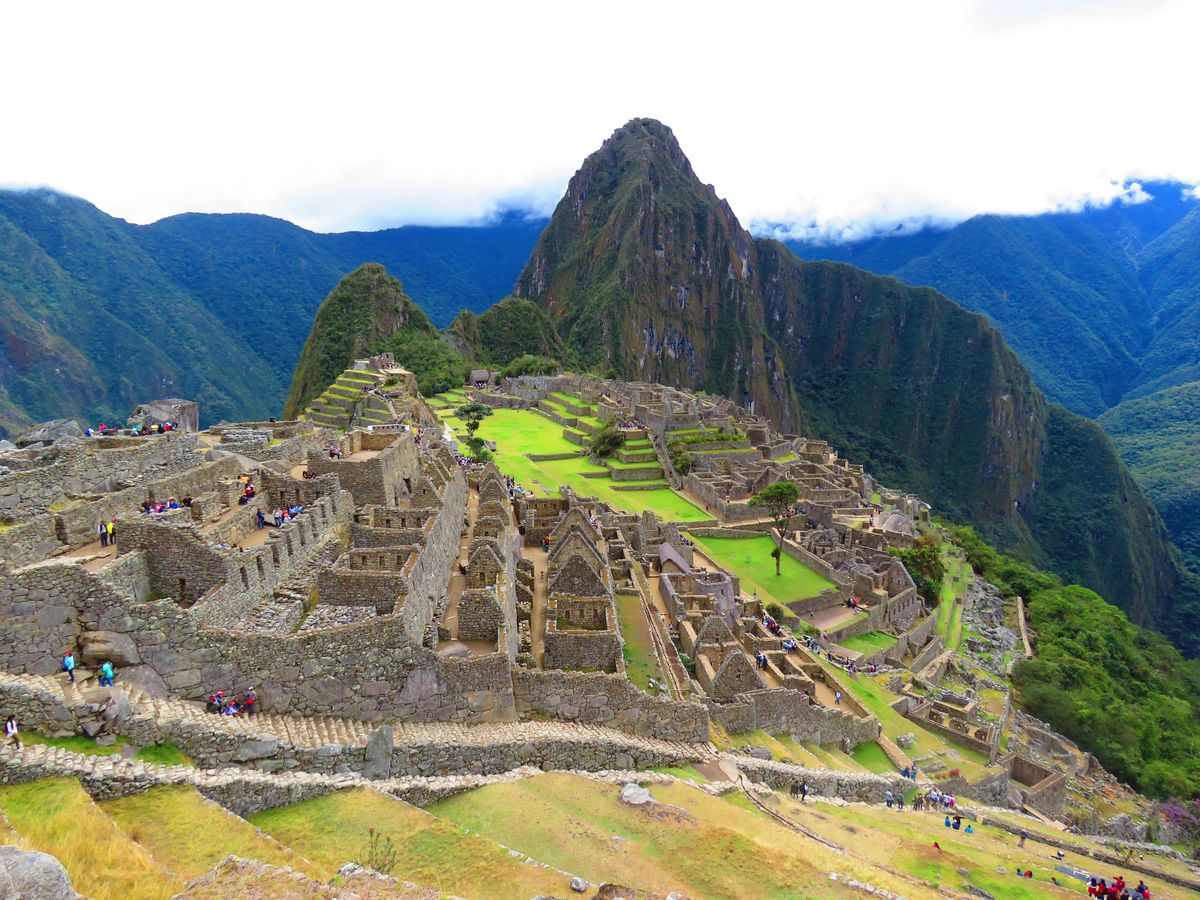
Circuit 1 covers the upper terraces and offers the classic postcard view, Circuit 2 includes the main urban sector and the Temple of the Sun, and Circuit 3 takes you through the agricultural terraces and the lower ruins. You must choose your circuit and entry time when you book, and you cannot switch circuits once inside, so read the official circuit maps on the TuBoleto site before you purchase.
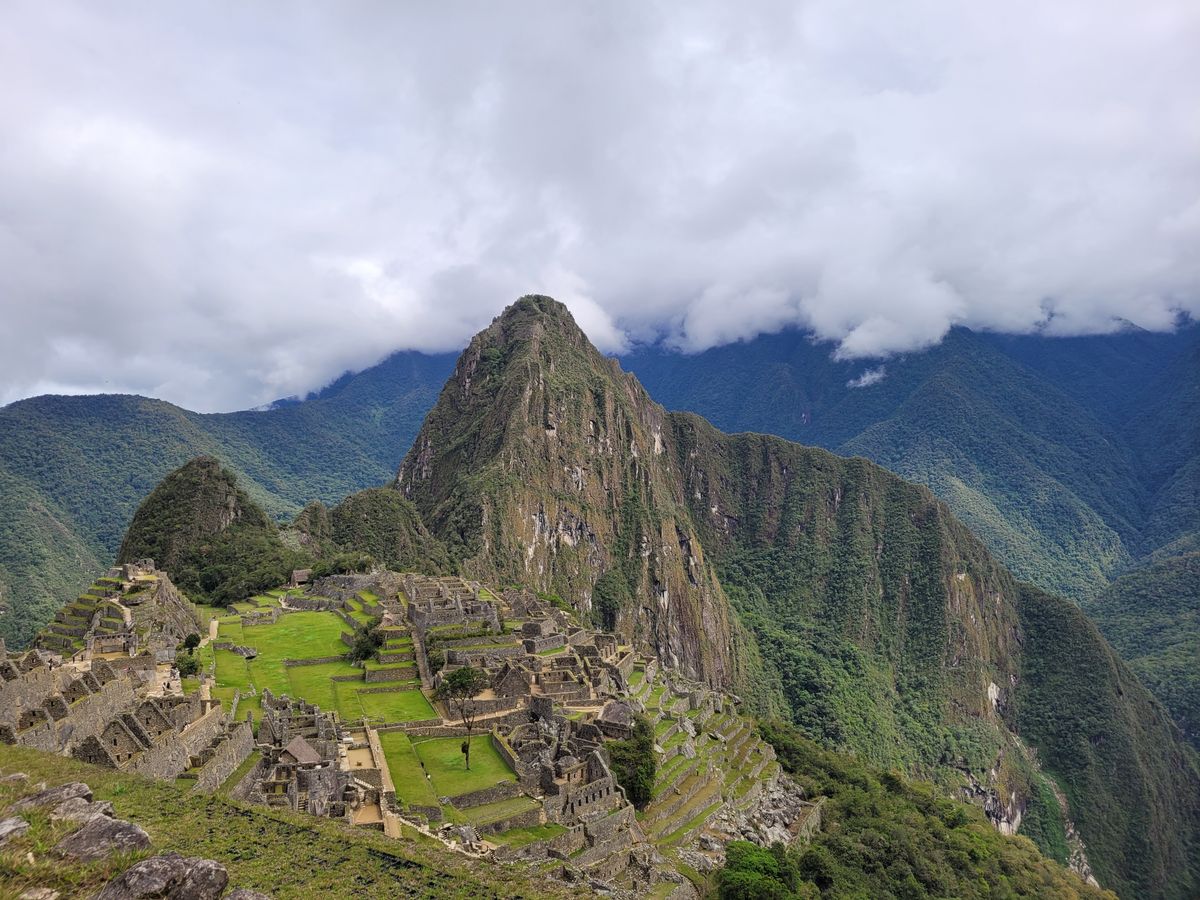
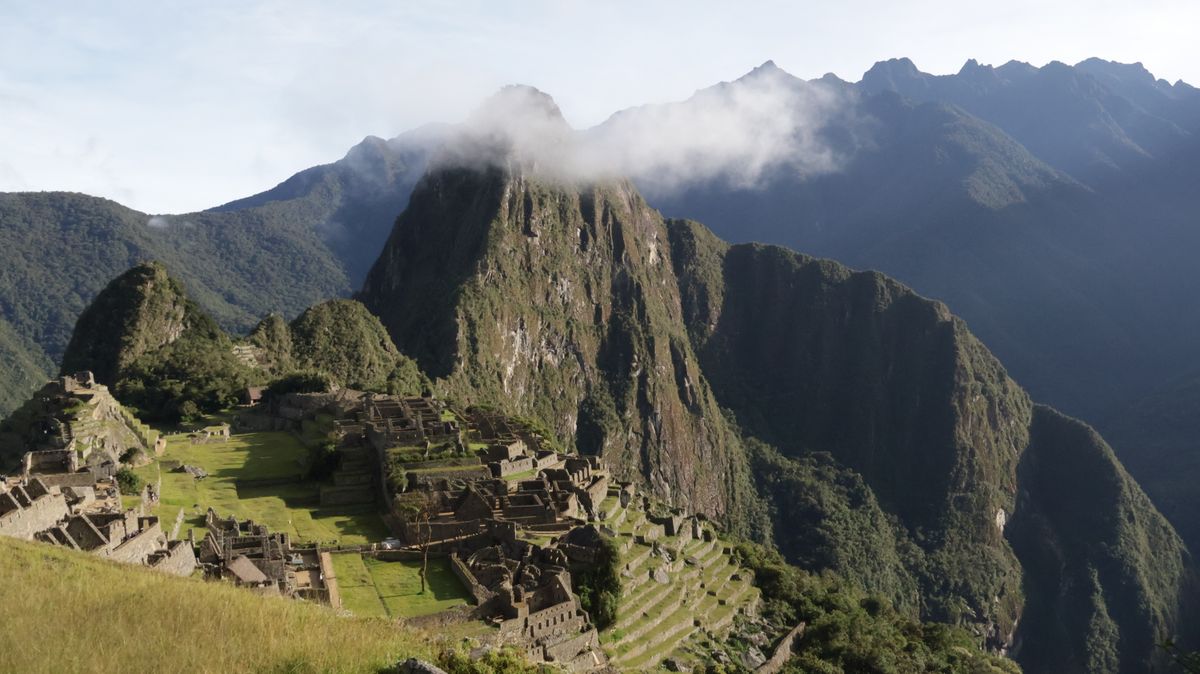
If you want to climb Huayna Picchu or Machu Picchu Mountain, you need one of the mountain tickets, which cost about 200 soles: Huayna Picchu is sold with Circuit 3 and Machu Picchu Mountain with Circuit 1. Huayna Picchu is the steep peak that appears in the background of most Machu Picchu photos, and the climb takes about 90 minutes up and 45 minutes down on a narrow, exposed trail with fixed cables on the steepest sections.
Machu Picchu Mountain is on the opposite side of the ruins and offers a less crowded alternative with a longer but less technical climb, taking about 90 minutes to two hours to reach the summit. Both mountains have limited daily permits and sell out weeks or months ahead during high season, so book as early as possible if a mountain climb is important to you.
Booking timeline and availability
Machu Picchu tickets go on sale months ahead on TuBoleto, where you need to create an account, and each account can book up to five tickets. For travel during the dry season from May through September, book your tickets as soon as you know your dates, because popular entry times and circuits sell out quickly. If you are planning to hike the Inca Trail, coordinate your Machu Picchu entry ticket with your trek finish date, because your tour operator will need to enter the site on a specific day. Most operators include the entry ticket in the trek package, or you can buy it yourself once your trek dates are confirmed.
The TuBoleto website requires you to enter your full name and passport number exactly as they appear on your passport, because the ticket is non-transferable and guards at the entrance check your ID against the printed ticket. If you make a mistake when entering your details, you cannot edit the ticket after purchase, so double-check everything before you confirm payment. The site accepts international credit cards, though some users report that certain banks flag the transaction as suspicious, so let your bank know you will be making a purchase from a Peruvian government website if you want to avoid a declined payment.
Best Time to Visit Machu Picchu
The dry season from May through September offers the most reliable weather, with clear skies, minimal rain and daytime temperatures between 12 and 20 degrees Celsius. July and August are the driest months, with less than 60 millimeters of rainfall per month, but they are also the busiest and most expensive, with higher hotel rates, fuller trains and longer queues at the entrance.
If you want to avoid the peak crowds, visit in May or September, which still offer good weather but see fewer tourists than the mid-winter months. April and October are shoulder months with slightly more rain but noticeably fewer visitors and lower prices, and they are a good compromise if your dates are flexible.
The rainy season from November through March brings daily afternoon showers, lush green vegetation and far fewer tourists. January and February are the wettest months, and the Inca Trail is closed in February for maintenance, but Machu Picchu itself remains open year-round and the ruins are no less impressive under cloud cover.
If you visit during the rainy season, plan to enter the ruins early in the morning before the afternoon storms arrive, and bring a waterproof jacket and pack cover. The train journey is often more dramatic during the wet season because the rivers are full and the hillsides are covered in cloud forest, though visibility at the ruins can be limited if you are unlucky with the weather.
Crowds and peak travel periods
June, July and August are the peak travel months, and Machu Picchu reaches its daily visitor cap of 4,500 to 5,600 people almost every day during this period. The site feels most crowded between 10:00 a.m. and 2:00 p.m., when day-trippers from Cusco arrive on mid-morning trains and tour groups cluster around the main viewpoints.
If you want a quieter experience, book the earliest entry slot at 6:00 a.m. or one of the late afternoon slots after 2:00 p.m., when most visitors have left. Early entry also gives you the best chance of clear weather before the afternoon clouds roll in, and you will have the terraces almost to yourself for the first hour or two.
Peruvian national holidays, especially the week around July 28 and the Inti Raymi festival in late June, bring an additional surge of domestic tourists, so avoid those dates if you prefer a less crowded visit. Weekends are busier than weekdays year-round, and Sundays see the most local visitors. If you have the flexibility, visit midweek between Tuesday and Thursday, and choose an entry time outside the 10:00 a.m. to 2:00 p.m. window.
Costs Breakdown
The total cost of reaching Machu Picchu depends on your route, your accommodation choices and how far in advance you book, but a typical budget for a two-day trip from Cusco might look like this. A round-trip train ticket from Ollantaytambo in Expedition or Voyager class costs around $140 to $180 USD, the shuttle bus costs $24 USD round-trip, and the Machu Picchu entry ticket costs roughly $43 USD.
Add one night in Aguas Calientes at $30 to $80 USD depending on the hotel, meals for two days at $20 to $40 USD, and the Cusco to Ollantaytambo shuttle at $10 to $15 USD, and your total comes to around $270 to $380 USD per person for the basic experience.
If you upgrade to Vistadome or 360° class on the train, add another $60 to $80 USD. If you stay in Ollantaytambo instead of Aguas Calientes, you can often find cheaper and quieter accommodation, though you will need to catch an early morning train and you will not have the option to re-enter Machu Picchu on a second day without another full ticket. Budget travelers using the Hidroeléctrica route can cut the train cost entirely, bringing the total down to around $100 to $150 USD per person, though the journey is longer and less comfortable.
| Item | Budget Option | Mid-range Option | Luxury Option |
|---|---|---|---|
| Train (round-trip) | $140 to $180 (Expedition/Voyager) | $220 to $290 (Vistadome/360°) | $1,000+ (Hiram Bingham/First Class) |
| Shuttle bus (round-trip) | $24 | $24 | $24 |
| Machu Picchu entry | $43 (standard circuit) | $43 (standard circuit) | $55 (with mountain) |
| Accommodation (1 night) | $30 to $50 (hostel/budget hotel) | $80 to $150 (mid-range hotel) | $300+ (luxury hotel) |
| Meals (2 days) | $20 to $30 | $40 to $60 | $100+ |
| Cusco to Ollantaytambo | $10 to $15 (shared shuttle) | $25 to $40 (private car split) | $70 to $90 (private car) |
| Total per person | $270 to $340 | $430 to $610 | $1,550+ |
Money-saving tips
Book your train tickets directly through the PeruRail or Inca Rail websites rather than through a third-party reseller, because the operators occasionally offer promotional discounts that do not appear on aggregator sites. If you are traveling as a couple or small group, consider staying in Ollantaytambo instead of Aguas Calientes, because hotel rates are often 30 to 50 percent lower and the town is more pleasant to walk around in the evening. You can catch an early morning train to Aguas Calientes, visit Machu Picchu, and return to Ollantaytambo the same day, which saves the cost of a night in the more expensive village.
If you are under 25 and have a valid university student ID, bring it with you, because the Machu Picchu entry ticket has a student rate of about half the adult price. The discount applies only to the entry ticket, not to the train or bus, and you must show your student card at the entrance along with your passport. Pack snacks and a refillable water bottle from Cusco or Ollantaytambo, because food and drink inside Aguas Calientes are marked up significantly, and there are no facilities to buy food or water once you are inside the Machu Picchu ruins.
Rules and What to Bring
Machu Picchu has strict entry rules, and guards at the entrance checkpoint enforce them consistently. You must carry your original passport or national ID card, because a photocopy or digital scan is not accepted, and the name on your ticket must match your ID exactly. Bags larger than about 40 by 35 by 20 centimeters are not allowed inside, and there is a luggage storage service at the entrance if you are carrying a large pack. Single-use plastics are banned, so bring a refillable water bottle rather than disposable bottles, and pack out any wrappers or waste because there are no rubbish bins inside the ruins.
Walking sticks are allowed only if they have rubber tips, and drones, tripods and selfie sticks are all prohibited. Food is not permitted inside the site, so eat before you go in. The circuits are one-way, and you cannot backtrack or re-enter once you exit, so plan your route carefully and take your photos as you go. If you need a toilet, there are facilities at the entrance before you enter and at the exit after you leave, but none inside the ruins themselves, so use the entrance toilets before you start your circuit.
What to pack for the day
The weather at Machu Picchu can change quickly, so bring layers that you can add or remove as the temperature shifts. A lightweight rain jacket is essential even during the dry season, because afternoon showers are common and the ruins offer little shelter. Sunscreen and a hat are equally important, because the sun is strong at this altitude and there is limited shade on the open terraces. Comfortable walking shoes with good grip are necessary, because the stone paths are uneven and can be slippery after rain, and you will be on your feet for several hours.
Carry enough water for the full visit, because there is nowhere to refill inside the site and the humidity can be draining. A small daypack with your water, rain jacket, sunscreen and camera is ideal, and keep your passport, ticket and any cash in a secure pocket or money belt. If you are climbing Huayna Picchu or Machu Picchu Mountain, bring gloves for the fixed cables on the steepest sections, and consider trekking poles with rubber tips if you have weak knees, because the descent can be hard on the joints.
Frequently Asked Questions
How do I take the train to Machu Picchu?
Book your train ticket in advance through PeruRail or Inca Rail, choosing a departure from Ollantaytambo or Cusco to Machu Picchu Pueblo. Arrive at the station at least 30 minutes before departure, because the platform gates close 10 minutes before the scheduled time. The train follows the Urubamba River downstream for about 90 minutes to two hours, arriving at Aguas Calientes station. From there, walk five minutes to the bus stop for Machu Picchu or continue into town if you are staying overnight. The return train requires a separate ticket, so book both legs at the same time to secure your preferred times.
What is the cheapest way to reach Aguas Calientes?
The cheapest route is the Hidroeléctrica option, which costs around $15 to $25 USD per person one way for the shared van from Cusco to Hidroeléctrica station, then a free two-and-a-half-hour walk along the railway tracks to Aguas Calientes. The van journey takes about six to seven hours and is long and uncomfortable, with winding roads and steep drop-offs, but it saves roughly $100 USD compared to the train. The walk from Hidroeléctrica is flat and easy, though you are walking on an active railway line with occasional trains, so stay alert and keep to the left side where there is a narrow footpath.
Can you get to Machu Picchu without hiking?
Yes, the standard route requires no hiking at all. Fly from Lima to Cusco, take a bus or taxi to Ollantaytambo, then board the train to Machu Picchu Pueblo and ride the shuttle bus up to the entrance. Once inside, the circuits involve walking on paved and stone paths with some steps and inclines, but no technical hiking or scrambling unless you choose to climb Huayna Picchu or Machu Picchu Mountain. The shuttle bus eliminates the steep 90-minute climb from Aguas Calientes to the ruins, so visitors of any fitness level can reach the site comfortably.
How far in advance should I book my Machu Picchu tickets?
For travel during the dry season from May through September, book your Machu Picchu entry tickets and train seats three to six months in advance, because popular dates and circuits sell out quickly. If you plan to hike the Classic Inca Trail, book even earlier, ideally six to 12 months ahead, because permits are strictly limited and the best operators fill their departures fast. For travel during the rainy season from November through March, you can often book tickets and trains a few weeks in advance, though earlier is always safer if your dates are fixed.
Is one day enough for Machu Picchu?
One day is enough to see the main ruins and walk one of the standard circuits, which takes most visitors two to four hours. If you want to climb Huayna Picchu or Machu Picchu Mountain as well, plan for a full day, because the mountain climbs add another two to three hours. Some travelers prefer to stay overnight in Aguas Calientes and enter the ruins early on two consecutive mornings, which allows a more relaxed pace and better light for photography, but a single well-timed visit covers the highlights for most people.
Do I need a guide to visit Machu Picchu?
You do not need a guide for the journey itself, because the route from Cusco is straightforward and well-served by public and commercial transport. Inside the ruins, a licensed guide is recommended rather than required for individual visitors under the current rules, while groups of ten or more must have one, and these rules have changed several times, so check the latest position when you book. A guide adds real value, because the buildings are not labeled inside the site. Official guides are available for hire at the entrance, or you can book a guided tour in advance through an operator in Cusco, which often includes transport, entry tickets and the guide in one package.
Now that you know how to get to Machu Picchu, use When to Go to pick the best months across all our destinations, and Destinations to plan the rest of your trip. For official updates, check the Historic Sanctuary of Machu Picchu page and the PeruRail official tickets page, and if you are new here, Start Here explains how the guides work.
Conclusion
Getting to Machu Picchu is simpler than it first appears: fly to Cusco, acclimatize for a day, travel by road to Ollantaytambo, take the train to Aguas Calientes, and ride the shuttle bus to the entrance. Each leg is well-organized and reliable, and the journey itself is part of the experience, with views of the Sacred Valley, the Urubamba River gorge and the cloud forest that surrounds the ruins.
Book your tickets early, especially if you are traveling during the dry season, and always purchase Machu Picchu entry tickets through the official TuBoleto portal to avoid scams and inflated prices. Whether you choose the comfort of the train, the budget Hidroeléctrica route or a multi-day trek, the destination rewards every bit of effort it takes to reach it.