

In this guide 25
- Planning Your Trip to Banff National Park
- Parks Canada Passes and Entrance Fees
- How to Get There and Getting Around
- Top Things to Do in Banff National Park
- Best Time to Visit Banff National Park
- Where to Stay in Banff National Park
- Wildlife and Mountain Safety Essentials
- Nearby Parks: Yoho and Jasper
- Frequently Asked Questions
- Conclusion
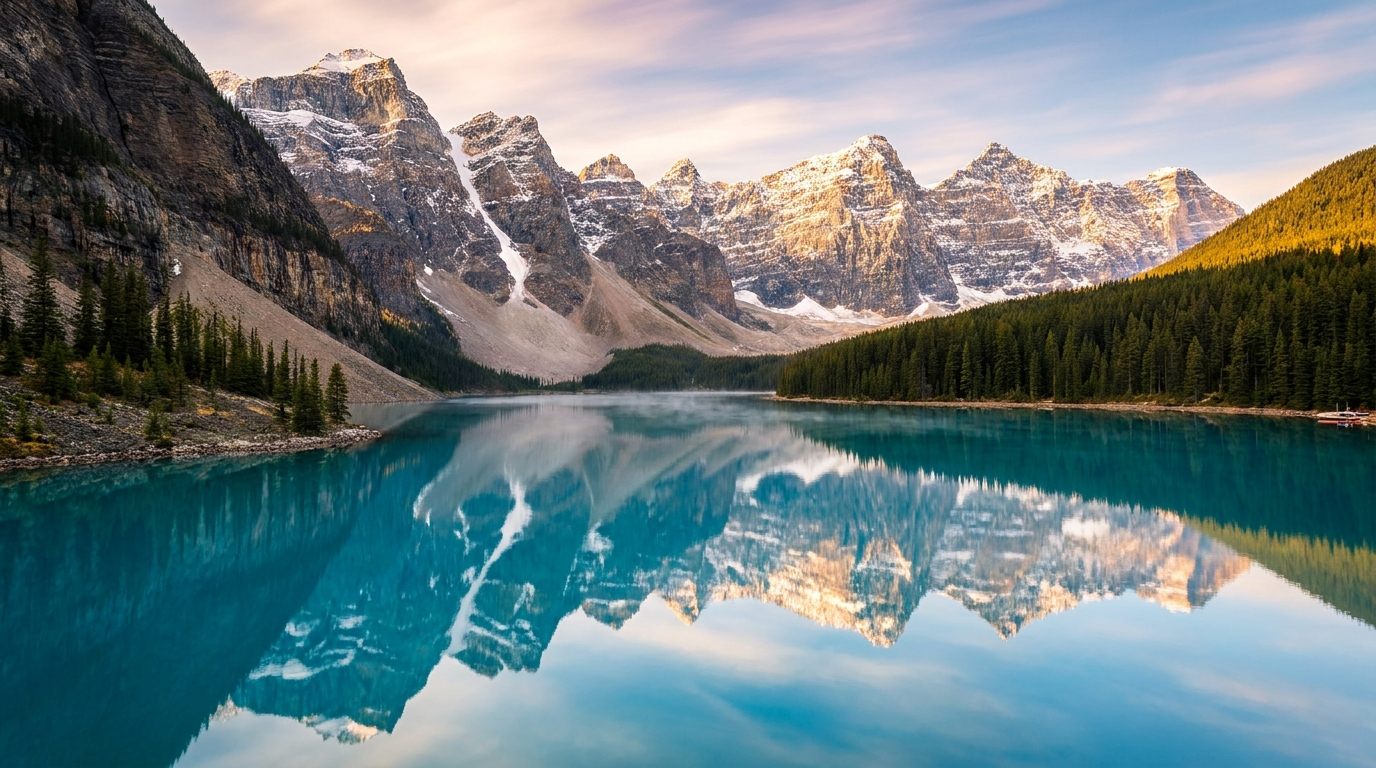
Banff National Park sits at the heart of the Canadian Rockies, where glacial turquoise lakes reflect snow-capped peaks and over 100 glaciers carve through high alpine valleys. Established in 1885, Banff is Canada’s oldest national park and remains one of the most visited mountain destinations on the continent.
If you are planning a trip in 2026, you need to know that vehicle access rules have changed, shuttle reservations are often mandatory, and Parks Canada entrance fees apply the moment you cross the park boundary. This guide walks you through the current pass prices, transport logistics from Calgary International Airport, the best-known lakes and scenic drives, and the wildlife safety protocols that keep both you and the animals safe.
The park covers 6,641 square kilometres of protected wilderness in Alberta, stretching from the Trans-Canada Highway corridor north to the Icefields Parkway. Most visitors base themselves in Banff townsite or Lake Louise village, both of which sit inside the park boundaries. Summer brings long daylight hours and full trail access, while winter transforms the landscape into a cross-country skiing and ice-walking destination. Shoulder seasons offer fewer crowds, golden larch forests in late September, and lower accommodation rates, though some roads and facilities close between October and May.
Some links in this guide are affiliate links. If you book through one, Roamdusk may earn a commission at no extra cost to you. It never decides what we recommend.
Planning Your Trip to Banff National Park
Banff National Park lies roughly 130 kilometres west of Calgary in the province of Alberta. The park entrance at the eastern gate sits about 1.5 to 2 hours from Calgary International Airport via the Trans-Canada Highway. Once inside, distances are manageable: Banff townsite is 58 kilometres from Lake Louise, and the Icefields Parkway runs 232 kilometres from Lake Louise north to Jasper. Cell coverage is reliable in the townsites but drops to zero on backcountry trails and along many stretches of the parkway, so download maps and trail information before you leave town.
The park operates year-round, but seasonal closures affect some roads and trailheads. Moraine Lake Road is gated and snowbound from mid-October to early June, and the Bow Valley Parkway has overnight closures from March 1 to June 25 to protect wildlife during calving season. Weather in the Rockies is unpredictable at any altitude: summer afternoons can bring thunderstorms, and snow is possible in any month above 2,000 metres. Pack layers, waterproof shells, and check the Parks Canada weather forecast and trail conditions page before you set out each morning.
Booking ahead is not optional during peak season. Accommodation in Banff townsite and Lake Louise sells out months in advance for July and August, and Parks Canada shuttle reservations for Moraine Lake open weeks before each operating day and fill within hours. If you are visiting between late June and early September, reserve your shuttle seats, campground spots, and lodging as soon as your dates are fixed. Shoulder-season visits in May, late September, or October offer more flexibility and lower prices, though you trade guaranteed access for variable trail and road conditions.
Parks Canada Passes and Entrance Fees
Every visitor to Banff National Park must hold a valid Parks Canada pass, purchased online in advance or at park gates and visitor centres. Daily admission costs $12.25 per adult, $10.75 per senior, and is free for youth aged 17 and under. A family or group pass covers up to seven people in one vehicle for $24.50 per day.
Daily passes are valid until 4 p.m. the following day, which covers an overnight stay but not a full second day of activities. Commercial group rates are $10.42 per person. Parks Canada reviews its fees every year, so check the Parks Canada Banff fees page before you travel.
The Parks Canada Discovery Pass is an annual pass that covers entry to Banff and over 80 other Parks Canada sites across the country. It costs $83.50 per adult, $71.50 per senior, and $167.50 for a family or group. The pass is valid for 12 months from the date of purchase.
If you plan to visit Banff for more than seven days in a year, or if you intend to visit other national parks such as Jasper, Yoho, or Kootenay during the same trip, the Discovery Pass pays for itself. A seven-day stay on daily passes costs $85.75 for one adult, which already exceeds the annual pass price.
Banff Upper Hot Springs Admission
Banff Upper Hot Springs operates separately from the park entry system and charges its own admission. Single-entry tickets are $19.75 for adults, $17.25 for seniors and youth aged 3 to 17, and free for children under 3. A family ticket covering up to four family members with a maximum of two adults costs $64.25.
All single-entry fees include a locker token. Tickets are sold only in person at the hot springs reception desk, and online reservations are not available. The facility closes for annual maintenance each October, typically from mid-month through early November, so check the Parks Canada Banff Upper Hot Springs page for current hours and closure dates before you drive up.
Annual passes for the hot springs are also available for frequent visitors. An adult annual pass costs $254.50, a senior pass is $216.50, and youth passes run $216.50. Books of ten tickets offer a small discount over single-entry purchases. The hot springs are located on Mountain Avenue, about 5 kilometres uphill from Banff townsite, and the Roam Transit Route 1 stops at the entrance during operating hours.
How to Get There and Getting Around
Most international and long-haul visitors fly into Calgary International Airport, which carries the code YYC and sits about 130 kilometres east of Banff. The drive from the airport to Banff townsite takes 1.5 to 2 hours via the Trans-Canada Highway, depending on traffic and weather. The route is straightforward: take Highway 1 west from Calgary, and follow it through Canmore and into Banff National Park.
You will pass the park entrance kiosk at the eastern boundary, where you must show or purchase your Parks Canada pass. In winter, the highway is plowed and salted, but black ice and sudden snowstorms are common, so rent a vehicle with winter tires if you are driving between November and April.
Car rental counters are located inside the Calgary airport terminal, and most major agencies operate there. If you plan to explore the Icefields Parkway, visit Moraine Lake via a commercial shuttle, or drive the Bow Valley Parkway, a personal vehicle gives you the most flexibility. Fuel stations are available in Banff townsite, Lake Louise village, and at Saskatchewan River Crossing on the Icefields Parkway, but prices are higher than in Calgary, so fill up before you enter the park if you are budget-conscious.
Roam Public Transit and Park Shuttles
Roam Public Transit operates year-round bus service within Banff townsite and seasonal routes to popular trailheads and attractions. Route 1 runs through downtown to the Banff Gondola and the Banff Upper Hot Springs on Sulphur Mountain, while Route 2 serves Tunnel Mountain. In summer, Route 6 connects Banff townsite to Lake Minnewanka, and Route 9 runs to the Johnston Canyon trailhead. Local fares are $2 per ride or $5 for a day pass, regional routes cost more, and children aged 12 and under ride free. Schedules and route maps are posted on the Roam Public Transit website, and buses run frequently during peak season but reduce to limited schedules in winter.
Parks Canada operates a seasonal shuttle to Moraine Lake, which is the only legal way for most visitors to reach the lake by road. Moraine Lake Road is closed to personal vehicles year-round, with exceptions only for visitors displaying government-issued accessible parking placards, Moraine Lake Lodge guests and staff, and licensed commercial operators.
The Parks Canada shuttle runs from late May or early June through mid-October, depending on snow conditions, and requires advance online reservations. Tickets sell out quickly, often within hours of release, so book as soon as the reservation window opens. Roam Transit also operates a separate Moraine Lake route during the summer season, which follows the same vehicle restrictions and also requires advance booking.
Top Things to Do in Banff National Park
Banff National Park offers activities across every season, from alpine hiking and wildlife watching in summer to ice walks and backcountry skiing in winter. The most iconic experiences cluster around Lake Louise, Moraine Lake, and the Icefields Parkway, but the Banff townsite area holds enough day hikes, hot springs, and viewpoints to fill several days on its own. Plan your days around shuttle reservations and weather forecasts, and always check the Parks Canada trail conditions and important bulletins page for closures, bear warnings, and avalanche advisories before you leave your accommodation.
Lake Louise and Moraine Lake
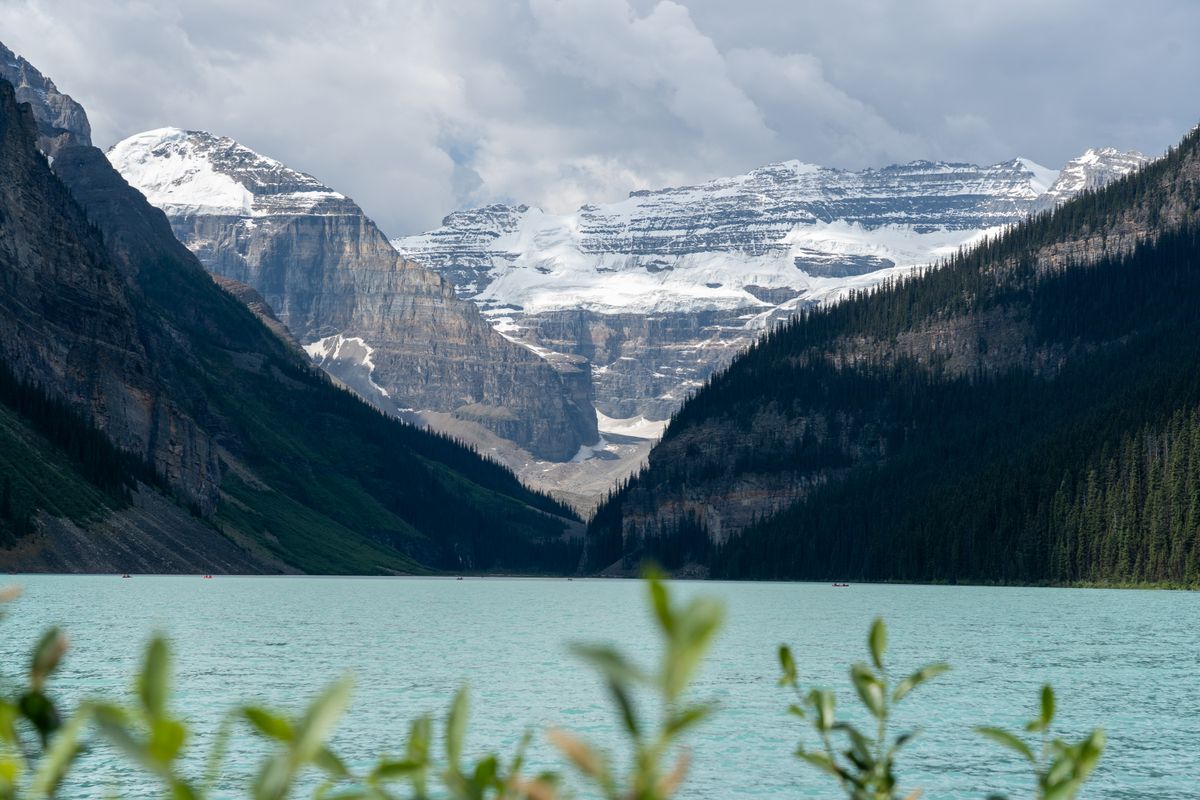
Lake Louise is the most photographed lake in Canada, and the view from the Fairmont Chateau Lake Louise shoreline justifies the reputation. The milky turquoise water comes from glacial rock flour suspended in the meltwater that feeds the lake from the Victoria Glacier, visible at the far end of the valley.
The lakeshore trail is paved and wheelchair accessible for the first kilometre, and the Lake Agnes Tea House hike starts from the same trailhead, climbing 400 metres over 3.5 kilometres to a tea house the Canadian Pacific Railway built as a hikers’ refuge in 1901. It has served tea since 1905 and opens from June to October. Arrive early in the morning or after 5 p.m. to avoid the midday crowds, and bring layers because the lakeshore is often 5 to 10 degrees cooler than the townsite.
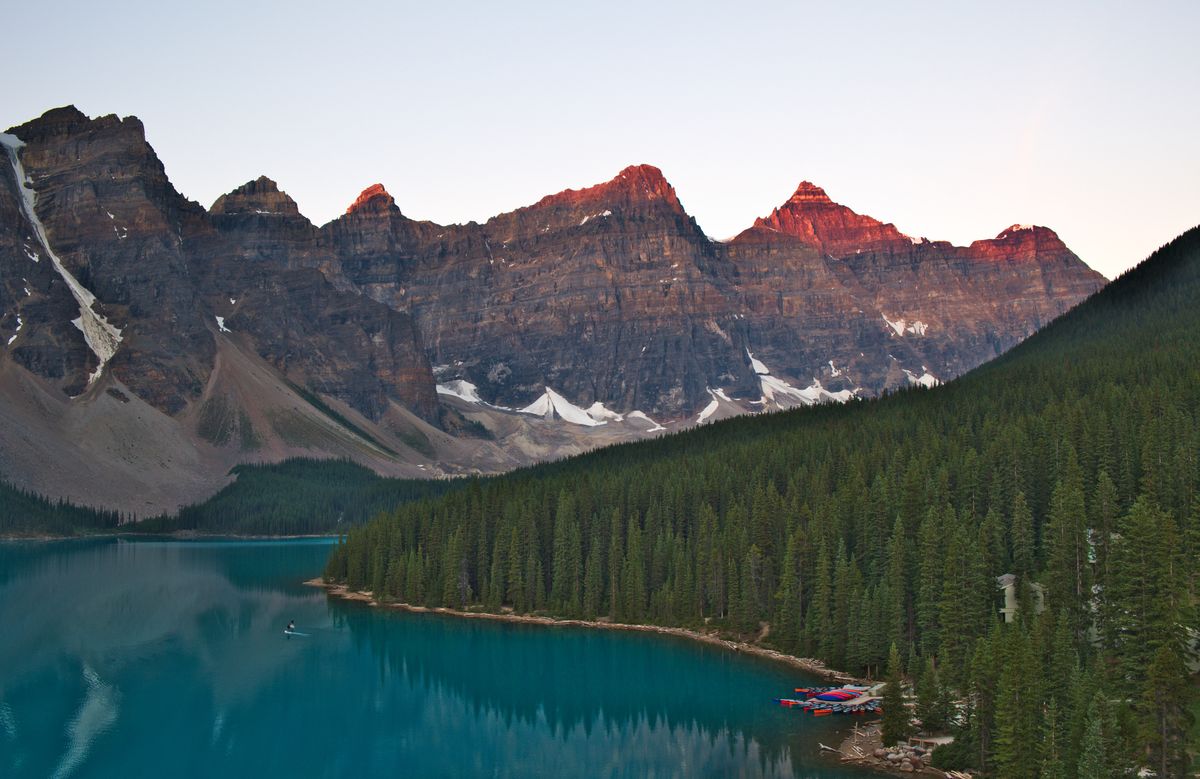
Moraine Lake sits 14 kilometres up a narrow winding road from Lake Louise village, and its setting in the Valley of the Ten Peaks is even more dramatic than Lake Louise itself. The lake appears on the old Canadian twenty-dollar bill, and the view from the Rockpile, a short scramble up a glacial moraine at the north end of the parking area, is one of the most recognizable images in the Rockies.
Personal vehicles are not permitted on Moraine Lake Road, so you must book a Parks Canada shuttle, a Roam Transit seat, or a commercial tour to reach the lake. The Moraine Lake shoreline trail is short and easy, and the Consolation Lakes trail climbs gently for 3 kilometres to a pair of alpine tarns surrounded by rock walls and hanging glaciers.
Icefields Parkway and Bow Valley Parkway Scenic Drives
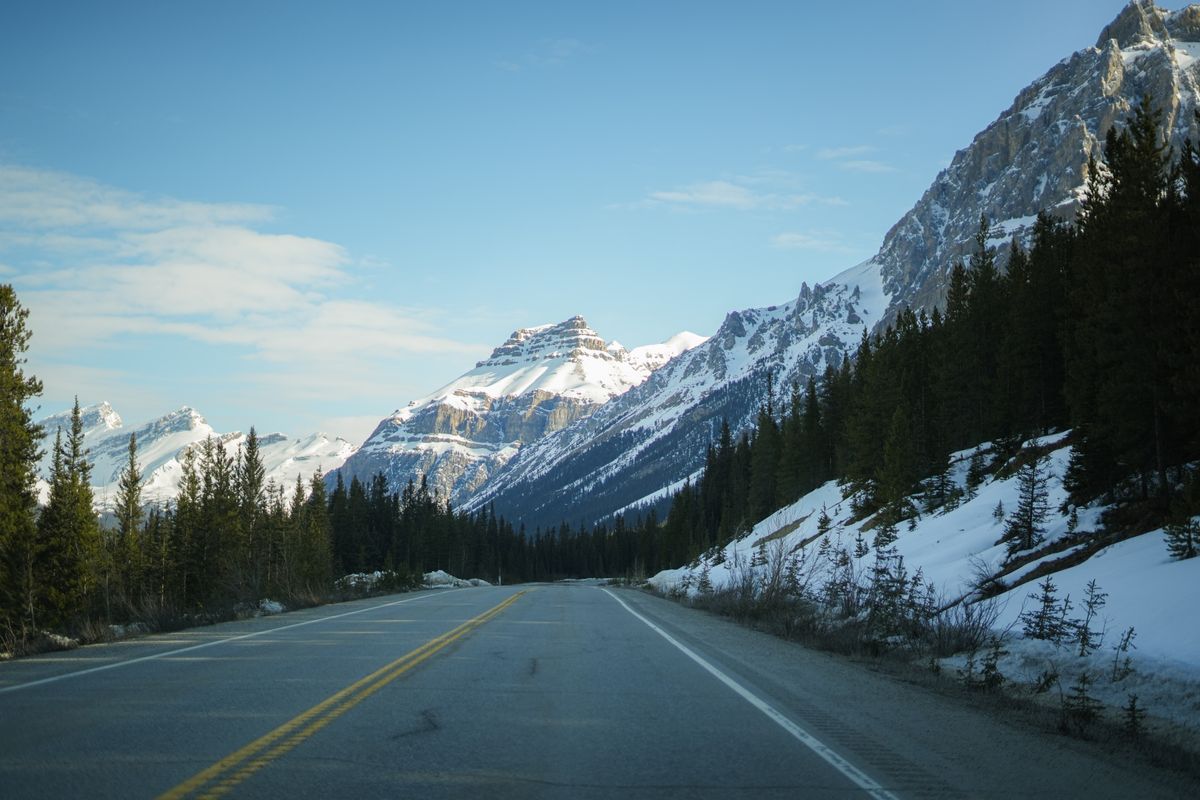
The Icefields Parkway runs 232 kilometres from Lake Louise to Jasper, passing more than 100 glaciers, dozens of waterfalls, and some of the highest peaks in the Canadian Rockies. The drive takes about three hours without stops, but you should allow a full day to visit the highlights. Peyto Lake, 40 kilometres north of Lake Louise, is a short 15-minute uphill walk from the parking area to a wooden viewing platform overlooking the most intensely blue lake in Banff National Park, fed by meltwater from Peyto Glacier.
The Columbia Icefield, roughly halfway along the parkway, is the largest ice field in the Rocky Mountains, and the Athabasca Glacier descends from it to within a short walk of the road. The Glacier Skywalk, a glass-floored walkway cantilevered over the Sunwapta Valley, sits about 6 kilometres north of the Columbia Icefield Discovery Centre.
Bow Valley Parkway is a slower, quieter alternative to the Trans-Canada Highway for the 48-kilometre stretch between Banff townsite and Lake Louise. The road passes through prime wildlife habitat, and elk, deer, bighorn sheep, and occasionally bears are visible from pullouts and viewpoints. Johnston Canyon is the most popular stop on the parkway, where a catwalk trail follows the canyon wall to the Lower Falls at 1.1 kilometres and the Upper Falls at 2.7 kilometres.
The trail is usually open year-round, and in winter the frozen waterfalls and ice-covered canyon walls make it one of the best ice walks in Banff National Park. The parkway has an overnight vehicle closure from 8 p.m. to 8 a.m. between March 1 and June 25 to reduce disturbance to wildlife during calving and denning season, so plan your drive accordingly if you are visiting in spring.
Banff Townsite and Banff Upper Hot Springs
Banff townsite is the main service hub inside Banff National Park, with a permanent population of about 8,000 and a summer peak that swells to over 40,000 daily visitors. Banff Avenue, the main street, is lined with gear shops, restaurants, and galleries, and the Banff Park Museum, built in 1903, holds a collection of taxidermied wildlife specimens from the early park era.
Cascade Gardens, behind the Parks Canada administration building, offers a quiet spot with formal plantings and a view up to Cascade Mountain. The Bow River footbridge near Central Park connects to the Bow River Trail, which runs for several kilometres along both banks and is open to walkers and cyclists year-round.
Banff Upper Hot Springs sits 5 kilometres up Mountain Avenue from the townsite, perched at 1,585 metres with a view over the Bow Valley. The outdoor pool is fed by natural hot springs that emerge at 47 degrees Celsius and are cooled to a comfortable 37 to 40 degrees for bathing. The facility includes change rooms, locker rentals, and a small cafe. Swimsuits and towels are available for rent if you arrive without them. The hot springs are open year-round except during the annual October maintenance closure, and soaking in the warm water while snow falls around you is one of the classic Banff winter experiences.
Hiking and Wildlife Viewing
Banff holds over 1,600 kilometres of maintained trails, ranging from short lakeside strolls to multi-day backcountry routes. Tunnel Mountain is the most popular short hike in the townsite area, gaining 260 metres over 2.3 kilometres to a summit viewpoint above the Bow Valley. The trail is wide, well-graded, and stays snow-free earlier in the season than higher-elevation hikes.
Sulphur Mountain, accessible by the Banff Gondola or a steep 5.5-kilometre trail, offers a summit boardwalk and interpretive displays at 2,281 metres. Plain of Six Glaciers, starting from the Lake Louise shoreline, climbs 370 metres over 5.5 kilometres to a tea house below the Victoria Glacier, and the trail continues another kilometre to a viewpoint overlooking six named glaciers.
Wildlife is active throughout Banff National Park, and you are likely to see elk, deer, bighorn sheep, and mountain goats during any multi-day visit. Bears, both black bears and grizzly bears, are present from early spring through late fall, and trail closures for bear activity are common in berry season. Always carry bear spray in an accessible holster, hike in groups of four or more when possible, and make noise on blind corners and in dense vegetation. Parks Canada posts current trail conditions and wildlife warnings on its website and at trailheads, and the Banff dispatch number for reporting wildlife sightings or encounters is 403-762-1470.
Best Time to Visit Banff National Park
Summer, from June through September, is peak season in Banff National Park. Trails are snow-free at lower elevations by late June, and wildflowers bloom through July and August. Daylight lasts until after 10 p.m. in midsummer, which gives you long days for hiking and sightseeing. Temperatures in the townsites range from 10 to 25 degrees Celsius, but high-elevation trails and glacial lakes remain cold, and afternoon thunderstorms are frequent.
Crowds are heaviest in July and August, when accommodation prices peak and shuttle reservations sell out weeks in advance. If you can shift your dates to late June or early September, you will find slightly fewer visitors and lower prices without sacrificing trail access or weather reliability.
Shoulder seasons offer the best combination of value and solitude. Late September brings larch season, when high-elevation larch trees turn gold against the evergreen forest and rocky peaks. Larch Valley, above Moraine Lake, and the Healy Pass trail near Sunshine Village are the most popular larch hikes, and both are accessible through late September and into early October before the first heavy snowfalls close the roads.
Spring, from late April through May, is quieter still, with lower prices and minimal crowds, but many higher trails remain snow-covered, and Moraine Lake Road does not open until early June. May is a good month for valley hikes, wildlife watching, and visiting the hot springs without the summer rush.
Winter Season: December Through March
Winter transforms Banff into a snow sports destination, with cross-country skiing, snowshoeing, and ice climbing replacing summer hiking. Johnston Canyon ice walk is the most accessible winter trail, where the same catwalk route that leads to the waterfalls in summer becomes a frozen wonderland with ice-covered walls and frozen cascades. The trail is usually icy from November through mid-April, and ice cleats or microspikes are essential for safe footing.
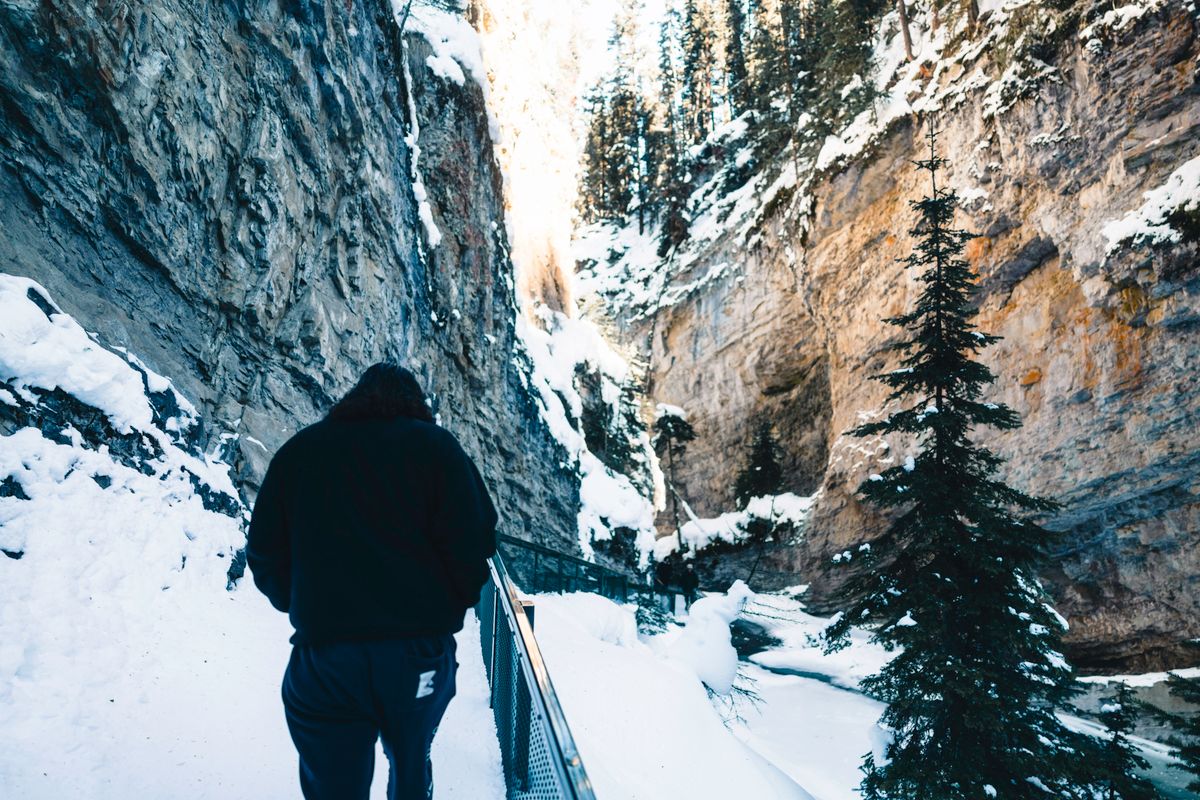
Parks Canada warns that the canyon has hazardous avalanche terrain adjacent to the trail, so stay on the marked path and check current conditions before you go. The main trail and the P1 parking lot close from October 13, 2026, for two to three months of rock slope remediation work, so verify the status on the Parks Canada trail conditions page if you are planning a winter visit. During the closure, the Moose Meadows Trail still reaches the Upper Falls and the Ink Pots.
Lake Louise becomes a skating rink in winter, with a groomed ice surface and mountain views in every direction. The lake usually freezes by late December and remains skateable through March, though warm spells can create slushy conditions. Skate rentals are available at the Fairmont Chateau Lake Louise. Banff Sunshine Village, Mount Norquay, and Lake Louise Ski Resort offer downhill skiing and snowboarding from November through May, with Sunshine often holding snow into late spring. The Icefields Parkway remains open through winter, though avalanche control work can cause temporary closures, and driving conditions require winter tires and experience on mountain roads in snow and ice.
Where to Stay in Banff National Park
Accommodation in Banff National Park ranges from backcountry campsites to luxury lodges, with most options concentrated in Banff townsite and Lake Louise village. Banff townsite holds the largest selection, with dozens of hotels, inns, and hostels within walking distance of restaurants and shops. The Fairmont Banff Springs is the historic grande dame, built in 1888 and still operating as a full-service resort with a spa, golf course, and multiple dining rooms.
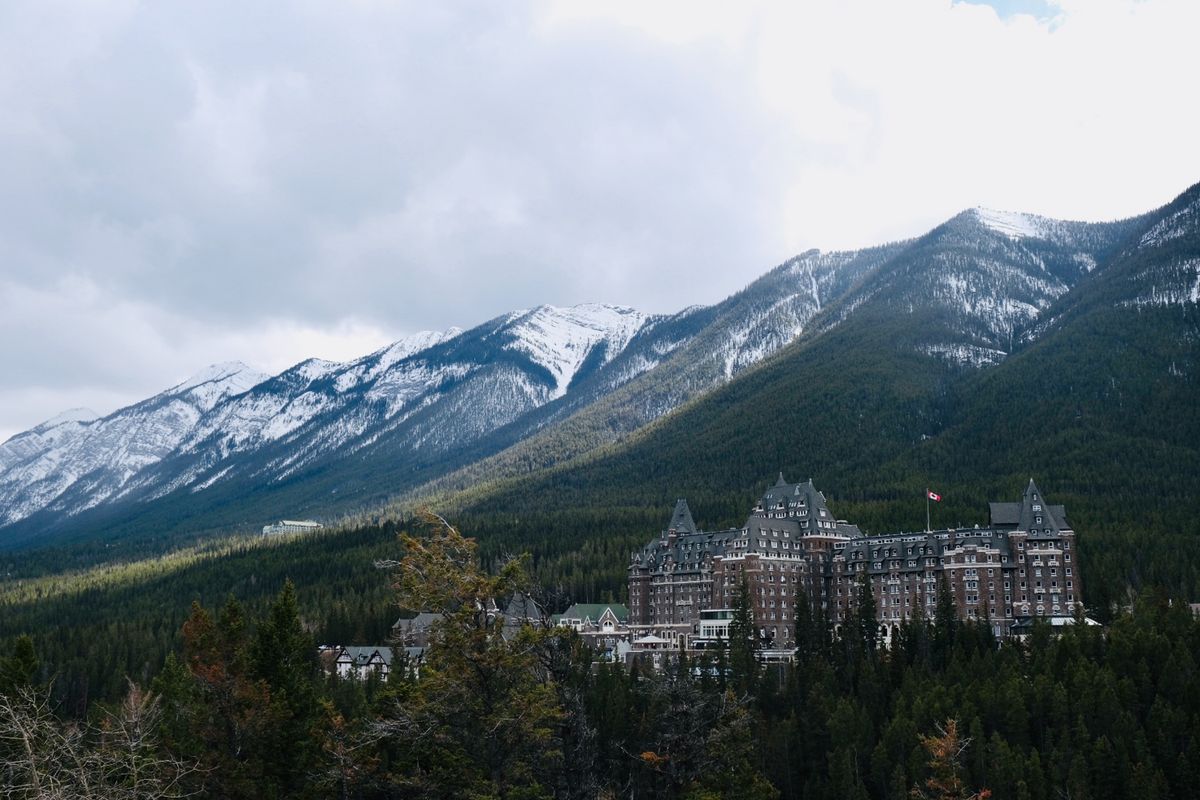
Budget travelers can choose from several hostels, including the HI Banff Alpine Centre, which offers private rooms and dormitory beds year-round. Book any Banff townsite accommodation at least three months ahead for summer travel, and six months ahead for the Christmas and New Year period.
Lake Louise village is smaller and quieter, with fewer dining options but closer access to the lake and Moraine Lake shuttle departures. The Fairmont Chateau Lake Louise sits directly on the lakeshore and offers the most convenient access to the Lake Agnes and Plain of Six Glaciers trailheads, but prices reflect the location. The Lake Louise Inn and the Mountaineer Lodge offer mid-range alternatives in the village centre. Moraine Lake Lodge is the only accommodation at Moraine Lake itself, and its 33 rooms book out a year in advance for summer dates, but staying there grants vehicle access to the otherwise closed Moraine Lake Road.
Camping in Banff National Park
Parks Canada operates 13 campgrounds in Banff National Park, with a mix of front-country sites accessible by vehicle and backcountry sites reached by trail. Tunnel Mountain Village, the largest campground, sits 4 kilometres from Banff townsite and offers over 1,000 sites across three separate areas, including sites with electric hookups, tent-only sites, and a trailer area.
Two Jack Lakeside and Johnston Canyon campgrounds are smaller and more scenic, with Two Jack sitting on the shore of Two Jack Lake and Johnston Canyon located directly at the trailhead for the canyon walk. All front-country campgrounds require reservations through the Parks Canada reservation system, and summer weekends book out months in advance.
Backcountry camping requires a wilderness pass, which costs $15 per person per night and must be reserved in advance. Popular backcountry routes such as Skoki Valley, Egypt Lake, and the Sawback Trail have quotas, and summer permits fill quickly once reservations open. Backcountry campgrounds have bear poles or food lockers, so store all food, garbage and scented items in them, and follow Leave No Trace principles. Random camping is not permitted anywhere in Banff National Park, and all overnight stays in the backcountry must be at designated campsites with a valid permit.
Wildlife and Mountain Safety Essentials
Bear encounters are a real possibility on any Banff trail, and preparation is not optional. Both black bears and grizzly bears are active in the park from April through October, and they are most commonly seen in berry patches, on avalanche slopes and along valley-bottom streams. Parks Canada strongly recommends that every hiker carry bear spray, a capsaicin-based deterrent that can stop a charging bear when used correctly.
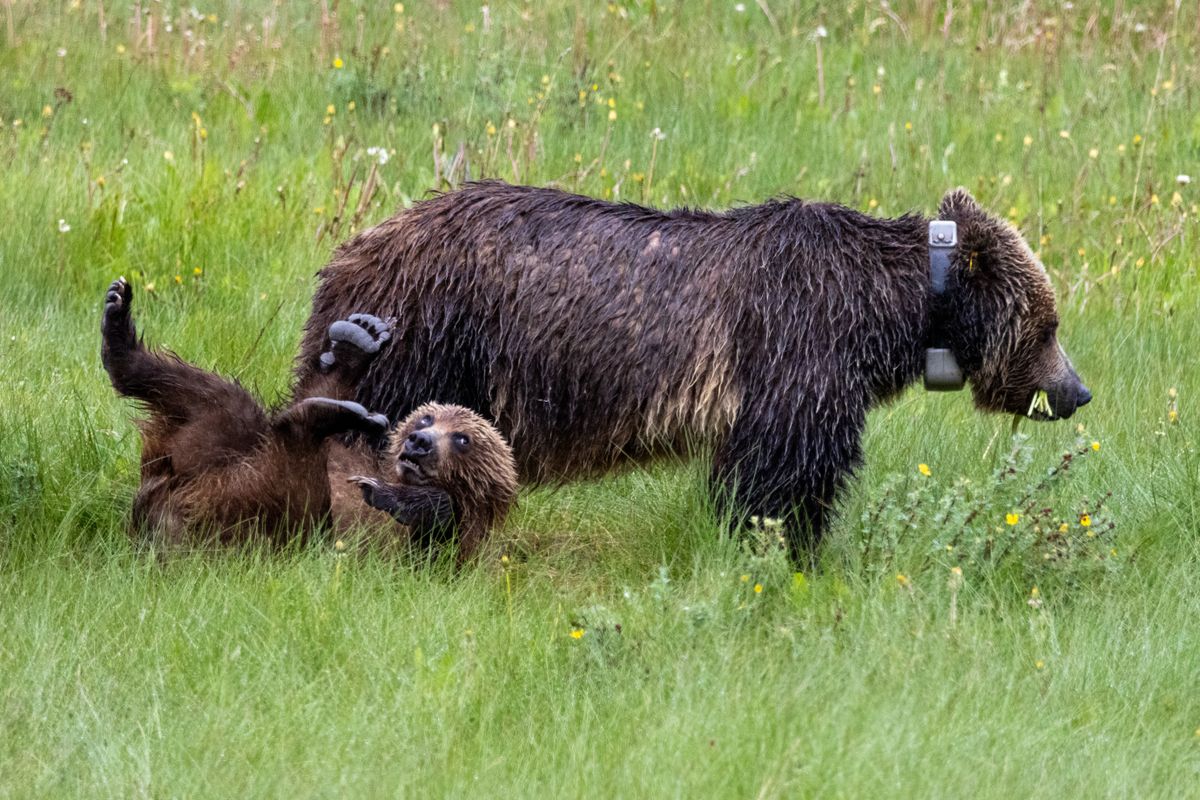
Bear spray is sold at outdoor shops in Banff townsite and Lake Louise, and rental options are available if you do not want to purchase a canister. Know how to use it before you need it: remove the safety clip, aim for the bear’s face, and spray in short bursts when the bear is within 10 metres. Wind, rain, and cold temperatures reduce effectiveness, so check the expiry date and store the canister where it will not freeze.
Trail Closures and Wildlife Warnings
Parks Canada closes trails and areas whenever wildlife activity creates a safety risk, and closures can happen with little notice. Bear warnings are issued when fresh tracks, sightings, or food sources such as carcasses are found near trails, and full closures are put in place when bears are actively feeding or denning in an area.
Check the Parks Canada trail conditions page and the important bulletins page every morning before you leave, and ask at visitor centres for updates if you are heading into the backcountry. The Banff dispatch number, 403-762-1470, is the contact for reporting wildlife sightings, encounters, or emergencies, and cell coverage is available in the townsites and along the Trans-Canada Highway corridor.
Travel in groups of four or more whenever possible, make noise on blind corners and in dense forest, and stay alert for signs of recent bear activity such as fresh scat, torn-up logs, or overturned rocks. If you see a bear, stay calm, do not run, and back away slowly while facing the animal. Get your bear spray ready with the safety off, and if the bear approaches, use the spray when it is within range. Most bear encounters end without incident if you give the animal space and an escape route, but preparation and awareness reduce the risk of a dangerous encounter.
Nearby Parks: Yoho and Jasper
Yoho National Park shares Banff’s western boundary and is less than 30 minutes from Lake Louise village. Yoho is smaller and quieter, with fewer visitors and some of the most dramatic waterfalls and rock formations in the Rockies. Takakkaw Falls, one of the highest waterfalls in Canada, drops 373 metres in total, including a free fall of about 254 metres, and is a short walk from the Yoho Valley Road parking area.
Emerald Lake, the largest lake in Yoho, offers a flat 5-kilometre loop trail around its shoreline and canoe rentals in summer. The Burgess Shale fossil beds, a UNESCO World Heritage Site, preserve some of the oldest and most complete fossils of early marine life, and guided hikes to the sites are available by reservation through the Burgess Shale Geoscience Foundation.
Jasper National Park lies 290 kilometres north of Banff townsite via the Icefields Parkway and is the largest national park in the Canadian Rockies. Jasper townsite is smaller and less developed than Banff, with a more laid-back atmosphere and fewer crowds outside of peak summer weekends. The Columbia Icefield straddles the boundary between Banff and Jasper, and the Athabasca Glacier, which is the most accessible glacier in the Rockies, sits just inside the Jasper boundary.
Maligne Lake, the largest natural lake in the Canadian Rockies, is a 45-minute drive from Jasper townsite and offers boat tours to Spirit Island, one of the most photographed spots in the park. A multi-park itinerary covering Banff, Yoho, and Jasper over five to seven days is a classic Rockies road trip, and the Parks Canada Discovery Pass covers entry to all three.
Frequently Asked Questions
Do you need a pass for Banff National Park?
Yes, every visitor to Banff National Park must hold a valid Parks Canada pass. Daily admission is $12.25 per adult, $10.75 per senior, and free for youth aged 17 and under, while a family or group pass covering up to seven people in one vehicle costs $24.50 per day.
The Parks Canada Discovery Pass, which costs $83.50 per adult or $167.50 for a family, covers unlimited entry for 12 months to Banff and over 80 other Parks Canada sites. Passes can be purchased online in advance or at park gates and visitor centres, and you must display your pass on your vehicle dashboard whenever you are inside the park boundaries.
How do you get from Calgary to Banff?
The drive from Calgary International Airport to Banff townsite takes 1.5 to 2 hours via the Trans-Canada Highway. Rental cars are available at the airport, and the route is straightforward: take Highway 1 west through Canmore and into the park. Several shuttle and bus services also operate between Calgary and Banff, including Brewster Express and the Banff Airporter, with fares typically around $60 to $80 one way. If you plan to explore beyond Banff townsite, a rental car offers the most flexibility for visiting Lake Louise, Moraine Lake, and the Icefields Parkway.
Is one day enough for Banff National Park?
One day gives you enough time to see Banff townsite, drive to Lake Louise, walk the lakeshore, and visit one or two viewpoints, but it is not enough to experience the park properly. A realistic minimum is three days: one for Banff townsite and the surrounding trails, one for Lake Louise and Moraine Lake, and one for a drive along the Icefields Parkway or the Bow Valley Parkway. Five days allows you to add day hikes, a visit to the hot springs, and time for wildlife watching without rushing. If you are combining Banff with Jasper or Yoho, plan at least a week.
Can you drive to Moraine Lake?
No, personal vehicles are not permitted on Moraine Lake Road. The road is closed to private cars year-round, and access is restricted to Parks Canada shuttles, Roam Public Transit, licensed commercial tour operators, and vehicles displaying government-issued accessible parking placards. The shuttle operates from early June through mid-October, depending on snow conditions, and requires advance online reservations. Tickets sell out quickly, often within hours of release, so book as soon as the reservation window opens. Cyclists are permitted on the road, and the 14-kilometre ride from Lake Louise village is a popular option for those who arrive without a shuttle reservation.
What is the best time to visit Banff National Park?
The best time depends on what you want to do. Summer, from late June through August, offers the warmest weather, the longest days, and full trail access, but also brings the largest crowds and the highest prices. Late September is ideal for larch season, when high-elevation trees turn gold and the summer crowds have thinned.
Winter, from December through March, is best for snow sports, ice walks, and soaking in the hot springs with mountain views, though many trails and roads are closed. May and early June are the quietest months, with low prices and minimal crowds, but snow lingers on higher trails and Moraine Lake Road does not open until June.
Do you need bear spray in Banff National Park?
Yes, Parks Canada strongly recommends carrying bear spray on all trails in Banff National Park. Both black bears and grizzly bears are active in the park from April through October, and trail closures for bear activity are common during berry season. Bear spray is a capsaicin-based deterrent that can stop a charging bear when used correctly, and it is sold at outdoor shops in Banff townsite and Lake Louise.
Carry the spray in a holster on your hip or chest strap where you can reach it quickly, and practice removing the safety clip before you hit the trail. Always hike in groups of four or more when possible, make noise on blind corners, and check the Parks Canada trail conditions page for current wildlife warnings before you leave.
For the best months across all our destinations, see When to Go, and if you are new to Roamdusk, Start Here explains how the guides work. For official updates during your trip, use the Parks Canada Banff National Park page and the Roam Public Transit schedules.
Conclusion
Banff National Park delivers alpine scenery, accessible trails, and wildlife encounters that justify its reputation as one of the great mountain destinations. The logistics have become more complex in recent years, with shuttle reservations, vehicle restrictions, and advance booking requirements for nearly everything, but the effort pays off when you stand at the shore of Moraine Lake or watch a grizzly cross a meadow at dusk. Plan ahead, check current conditions daily, carry bear spray, and give yourself more time than you think you need. The park rewards patience and preparation, and the landscapes you will see are worth every hour of planning.