

In this guide 31
- Best Things to Do in Stone Town Zanzibar
- Stone Town Walking Tour
- How to Get to Stone Town
- Best Time to Visit Stone Town Zanzibar
- Costs and Entry Fees in Stone Town
- Where to Stay in Stone Town
- Is Stone Town Safe? Tips and Etiquette
- Day Trips and Nearby Beaches from Stone Town
- Frequently Asked Questions About Stone Town Zanzibar
- Stone Town Zanzibar: Your Next Stop
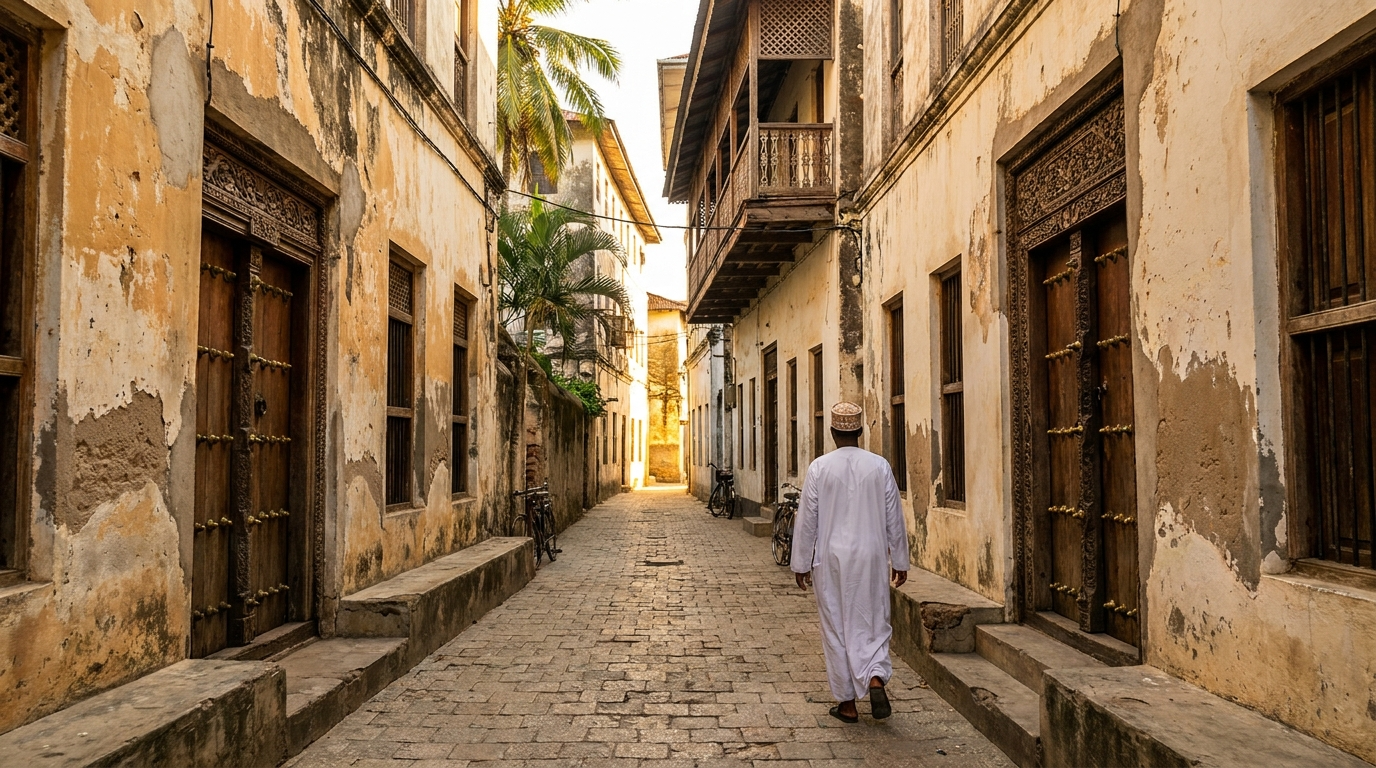
Stone Town Zanzibar is the UNESCO-listed historic heart of Zanzibar City on Unguja Island, where centuries of trade and migration have left a maze of coral-stone buildings, carved wooden doors and narrow alleyways that still feel like a working Swahili port rather than a museum.
The old quarter was inscribed on the World Heritage list in 2000 for bringing together African, Arab, Indian, Persian and European influences into a single coastal townscape that has survived largely intact. You can walk the core in an afternoon, but the place rewards at least two full days if you want to step inside the museums, eat at Forodhani Gardens after dark, and take a morning boat to Prison Island.
Some links in this guide are affiliate links. If you book through one, Roamdusk may earn a commission at no extra cost to you. It never decides what we recommend.
Best Things to Do in Stone Town Zanzibar
The main heritage sites cluster within ten minutes of each other, so you can cover the highlights on foot in a morning and still have time for lunch by the waterfront. Entry to Stone Town Zanzibar itself is free, but individual museums and monuments charge between USD 3 and USD 10 each.
Old Fort
The Old Fort, known locally as Ngome Kongwe, sits on the waterfront next to the House of Wonders and is the oldest standing structure in Stone Town. Omani Arabs built it around 1700 on the site of an earlier Portuguese church, after driving the Portuguese from the island. Today the interior courtyard hosts a small craft market, occasional live music performances, and a cafe where you can sit in the shade and watch the harbour. The courtyard is usually free to enter, and any charge for the rest of the site is small.
The fort walls are thick coral stone, and you can walk along sections of the ramparts for views over the port and the rooftops of the old quarter. The space feels more like a public square than a military monument now, and it is one of the few open areas in the otherwise dense street grid. Go early in the morning or late afternoon to avoid the midday heat, and combine it with a look at the adjacent House of Wonders since the two sites sit side by side.
House of Wonders
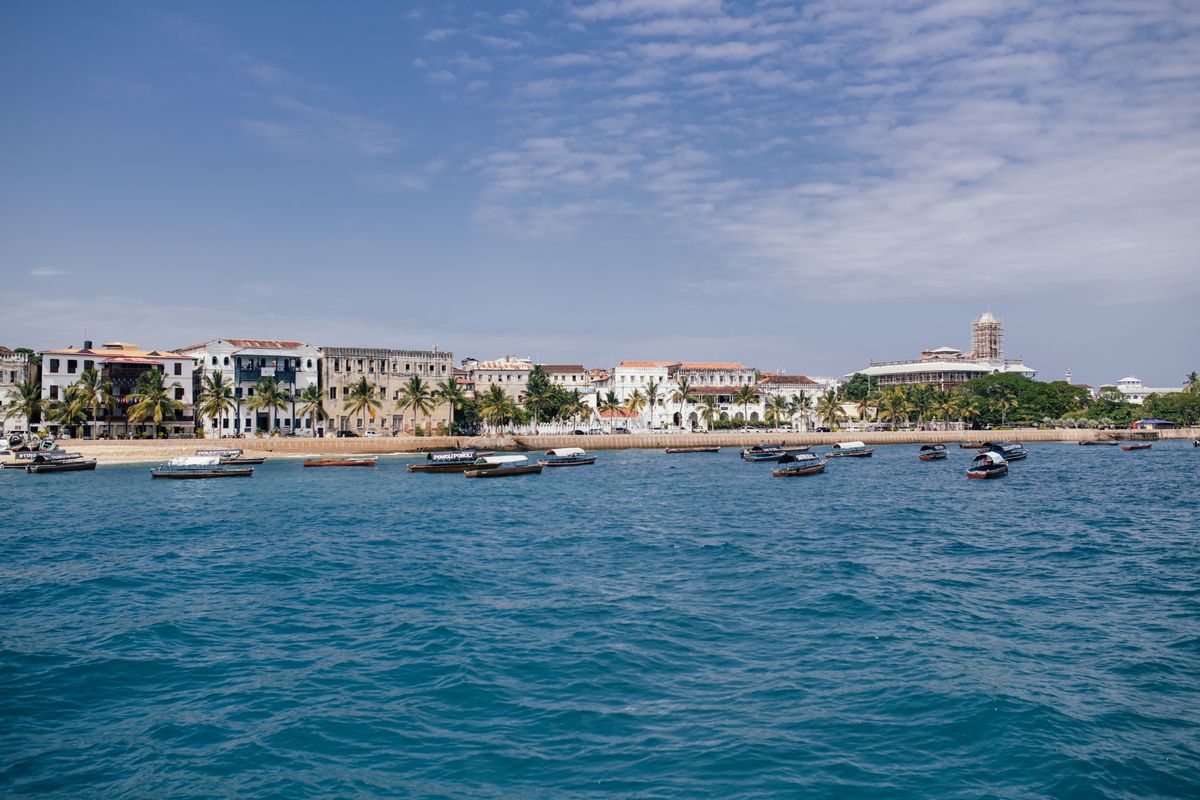
The House of Wonders, or Beit al-Ajaib, was built by Sultan Barghash in 1883 as a ceremonial palace and remains one of Stone Town’s most recognizable buildings, with its tall clock tower and wide waterfront verandas. It was the first building in Zanzibar to have electric lighting, which earned it the “wonders” name. Part of the building collapsed in December 2020 during restoration work, and it has been closed for major repairs since, so check locally whether interior visits have resumed before you plan around it.
When open, the House of Wonders has housed exhibitions on Swahili coastal culture, dhow building, and the island’s trading history. Even while the museum is closed, the exterior is worth seeing for its scale and the carved wooden balconies that run along the upper floors. The building sits directly on the seafront, so you get good light for photos in the late afternoon when the sun is lower.
Palace Museum
The Palace Museum, also called the Sultan’s Palace, is housed in the former residence of the Zanzibar sultans and offers a glimpse into the island’s royal history during the Omani period. The collection includes furniture, clothing, and personal effects from the ruling families, along with historical photographs and documents that trace the sultanate’s decline under British colonial administration. Entry costs around USD 3, and the museum is usually open daily from morning until late afternoon.
The building itself is modest compared to the House of Wonders, but the interior rooms are well preserved and the displays are labelled in English. You can walk through the private quarters and the reception halls, many of which keep their original tilework and carved ceilings. The visit takes about 45 minutes if you read the captions, and the staff are usually happy to answer questions about the exhibits.
Anglican Cathedral and Former Slave Market
Christ Church Anglican Cathedral stands on the site of Stone Town’s former slave market, which operated until the trade was abolished in 1873. Building began the same year as a symbolic act, and the altar is said to occupy the spot where the whipping post stood. A visit to the site includes access to the underground chambers where enslaved people were held before sale, and a guide is included in the entry fee of around USD 10.
The memorial sculpture outside the cathedral depicts five figures in chains, and the cellar rooms below the church are small, dark, and deliberately uncomfortable to walk through. The guided tour lasts about 30 minutes and covers the history of the East African slave trade, the role of Zanzibar as a trading hub, and the abolitionist efforts led by figures like David Livingstone. This is one of the most sobering sites in Stone Town, and it deserves more time and attention than a quick photo stop.
Hamamni Persian Baths
The Hamamni Persian Baths were built in the late 19th century for Sultan Barghash and are the best-preserved public bathhouse in Stone Town. The structure combines Persian architectural elements with Swahili building techniques, and the interior features domed ceilings, tiled floors, and a series of bathing chambers. Entry costs a few dollars, and depending on maintenance work you may only be able to view parts of the interior.
The baths are no longer in use, and the condition of the building varies depending on recent maintenance work. If you can get inside, the cool stone rooms and the play of light through the small roof openings make for good photos. The site is less visited than the major museums, so it offers a quieter stop if you want a break from the crowds around the Old Fort and the waterfront.
Forodhani Gardens Night Market
Forodhani Gardens transforms into a street food market every evening around sunset, with dozens of stalls grilling seafood, frying Zanzibar pizza, and pressing sugarcane juice in front of you. The market runs nightly and is the cheapest place to eat in Stone Town, with most dishes costing between TZS 2,000 and TZS 5,000. Zanzibar pizza is the signature item: a thin dough stretched by hand, filled with egg, minced meat, onion, and sometimes cheese, then folded and pressed on a hotplate until crispy.
Urojo, a tangy soup made with cassava crisps, boiled egg, and tamarind, is another local favourite and costs around TZS 2,000 per bowl. Seafood skewers, grilled octopus, and whole fish are widely available, but always ask the price before you order because some stalls quote tourist prices many times the local rate. Sugarcane juice with ginger costs about TZS 2,000 and is a good pairing with the fried food. Budget around TZS 10,000 to TZS 20,000 for a full meal with a drink, and bring cash in Tanzanian shillings because most vendors do not accept cards.
Freddie Mercury Museum
The Freddie Mercury Museum occupies the house in the Shangani neighbourhood where the Queen frontman, born Farrokh Bulsara in Zanzibar in 1946, spent his early childhood before he was sent to boarding school in India. The museum is small, filling just a few rooms, and the collection includes family photographs, memorabilia, and displays tracing Mercury’s connection to Zanzibar. Entry costs around USD 10, and opening hours are posted at the door and on the museum’s site.
You can walk through the rooms, see photos from his childhood, and listen to Queen music playing throughout the building. The visit takes about 45 minutes to an hour if you read all the captions and watch the short video screenings. The price feels steep for the size of the space, but for Queen fans the chance to stand in the house where Mercury grew up is worth the cost. The museum is on Kenyatta Road, a short walk from the waterfront.
Stone Town Walking Tour
A guided heritage walk is the best way to decode the layers of history in Stone Town’s streets, because a good guide will point out details you would otherwise miss: the different styles of carved doors, the meaning of the brass studs and chains on Omani entrances, the former Indian merchant houses with their balconies and courtyards, and the narrow passages that were designed to channel the sea breeze through the old town. Most walking tours last two to three hours and cost between USD 20 and USD 40 per person, depending on group size and inclusions.
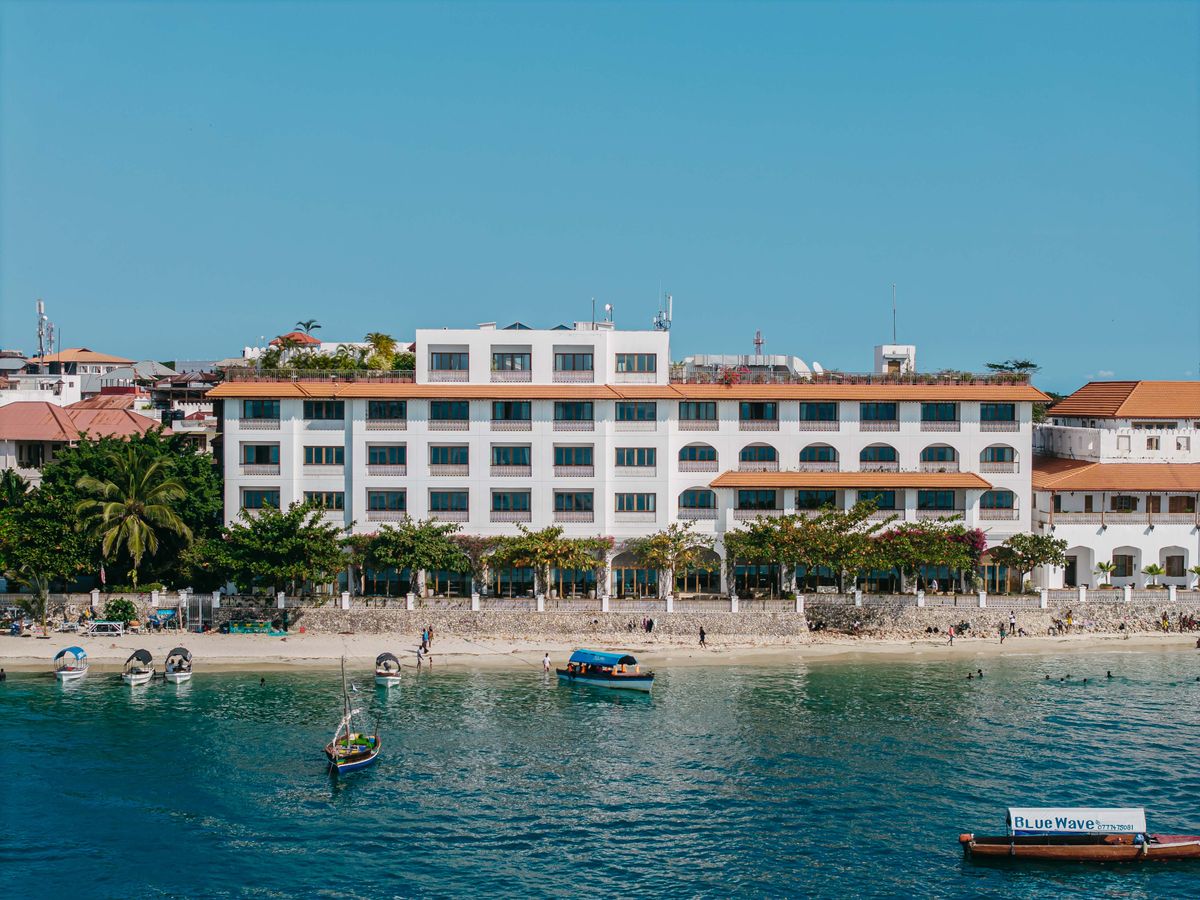
If you are walking independently, start at the Old Fort and work your way inland through the Darajani Market area, then loop back via the Anglican Cathedral and the waterfront. The carved wooden doors are everywhere, and each one tells a story about the family who commissioned it: Indian doors are often rectangular with brass rosettes, while Omani doors are taller and heavier with chains and spikes. The streets are not signed consistently, and it is easy to get turned around, but the old quarter is small enough that you will always find your way back to the seafront within ten minutes.
How to Get to Stone Town
From Zanzibar Airport
Abeid Amani Karume International Airport sits about 5 kilometres south of Stone Town, and the drive takes 15 to 20 minutes depending on traffic. A taxi from the airport to the old quarter costs around USD 15, and private transfers booked in advance typically charge a similar rate. Shared minibuses called dala dalas also run between the airport and Stone Town for well under USD 1 per person, but they take longer because they stop frequently and wait to fill up before departing.
Most hotels in Stone Town offer airport pickup if you book direct, and the cost is usually included or charged at a small premium over the taxi fare. If you are continuing to the east coast beaches at Paje or Nungwi on the same day, expect the transfer to take around 90 minutes and cost between USD 40 and USD 60 for a private vehicle.
From Dar es Salaam by Ferry
Azam Marine operates the main ferry service between Dar es Salaam and Zanzibar, with several daily departures from its terminal in central Dar es Salaam. The crossing takes 1.5 to 2 hours, and ticket prices for non-residents range from USD 35 for economy class to USD 100 for royal class, with VIP class in between. Residents pay in Tanzanian shillings at lower rates, and children receive a discount in economy.
Ferries arrive at the port in Stone Town, which is within walking distance of most hotels in the old quarter if you are travelling light. Book tickets online in advance during peak season, and arrive at the terminal at least 30 minutes before departure because boarding closes early. The sea can be rough during the rainy season, so take motion sickness medication if you are prone to it.
Best Time to Visit Stone Town Zanzibar
The dry season from June to October is the most popular time to visit Stone Town, with clear skies, lower humidity, and calm seas that make the ferry crossing from Dar es Salaam more comfortable. January and February also offer good weather, with warm days and minimal rain. The long rains from March to May bring heavy afternoon downpours, high humidity, and rough seas, so many tours and boat trips are cancelled or run on reduced schedules during this period.
The short rains in November and early December are less predictable, with some years seeing only light showers and others experiencing heavier storms. Hotel rates drop during both rainy seasons, and the streets are quieter, so if you can tolerate the weather you will have the museums and markets largely to yourself. Temperatures in Stone Town stay warm year-round, ranging from 25°C to 32°C, and the coastal breeze makes it more comfortable than the inland heat on mainland Tanzania.
Costs and Entry Fees in Stone Town
Stone Town itself is free to walk around, but individual attractions charge separate entry fees. The table below shows typical costs, though prices change often and some sites offer combined tickets or group discounts.
| Site or Activity | Cost (USD) | Notes |
|---|---|---|
| Zanzibar inbound travel insurance | 44 | Compulsory for foreign visitors, buy before arrival |
| Old Fort | 0 to 3 | Courtyard usually free |
| House of Wonders | n/a | Closed for repairs since the 2020 collapse; check locally |
| Palace Museum | 3 | Open daily |
| Anglican Cathedral and slave market | 10 | Includes guided tour of underground chambers |
| Hamamni Persian Baths | A few dollars | Interior access depends on maintenance |
| Freddie Mercury Museum | 10 | Small; allow 45 to 60 minutes |
| Forodhani Gardens food | 4 to 12 | Budget TZS 10,000 to 20,000 for a full meal |
| Guided walking tour | 20 to 40 | 2 to 3 hours, group size affects price |
| Prison Island boat trip | 30 to 60 | Plus the island entry fee |
Budget travellers can see the main sights and eat street food for around USD 20 to USD 30 per day, not including accommodation. Mid-range visitors who add guided tours, sit-down restaurant meals, and a boat trip to Prison Island should budget USD 60 to USD 100 per day. Accommodation in Stone Town ranges from budget guesthouses at USD 20 per night to mid-range hotels at USD 60 to USD 120 and upmarket properties above USD 150.
Where to Stay in Stone Town
Staying inside the old quarter puts you within walking distance of all the heritage sites, the night market, and the waterfront, and you get the full atmosphere of the narrow streets and the call to prayer echoing between the buildings. Most hotels in Stone Town are converted historic houses, with rooftop terraces, inner courtyards, and carved wooden furniture that reflect the Swahili and Omani design traditions. Rooms inside the old town can be dark and airless because the buildings were designed to stay cool rather than bright, so check whether your room has a window or relies on a courtyard for ventilation.
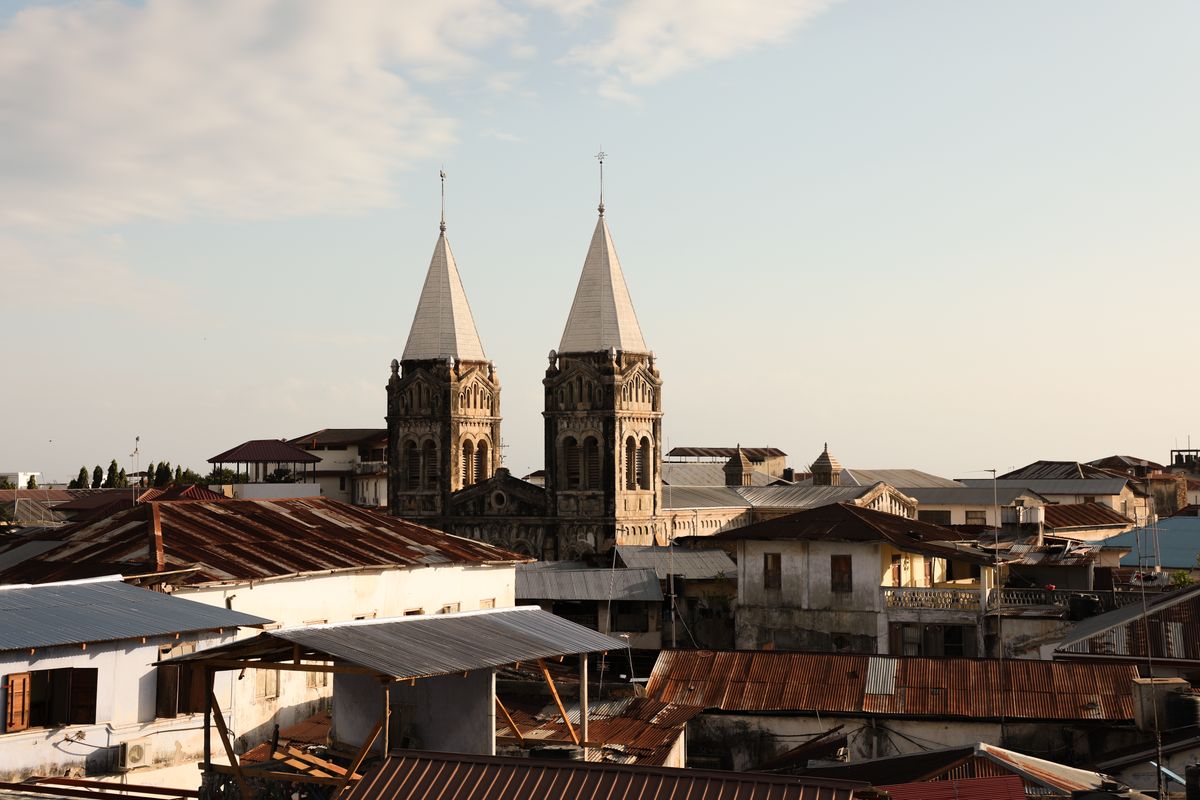
Budget guesthouses cluster around the edges of the old quarter and offer basic rooms with shared bathrooms for around USD 20 to USD 40 per night. Mid-range hotels in restored townhouses typically charge USD 60 to USD 120 and include breakfast, air conditioning, and a rooftop terrace. Upmarket properties like Emerson Spice and Park Hyatt occupy prime waterfront or central locations and charge USD 150 to USD 400 per night, with full-service restaurants, pools, and concierge-arranged tours. Book well ahead if you are visiting during the dry season, because the best-located hotels sell out early.
Is Stone Town Safe? Tips and Etiquette
Safety and Scams
Stone Town is generally safe for visitors during the day, with the main risks being petty theft, bag snatching, and unlicensed guides who overcharge or pressure you into unwanted tours. Keep your phone and wallet in a front pocket or a secure bag, and avoid wearing expensive jewellery or carrying large amounts of cash. The narrow streets can feel confusing, and some unofficial guides called papasi will approach you offering directions or tours, then demand payment at the end. If you want a guide, book through your hotel or a licensed operator rather than accepting offers on the street.
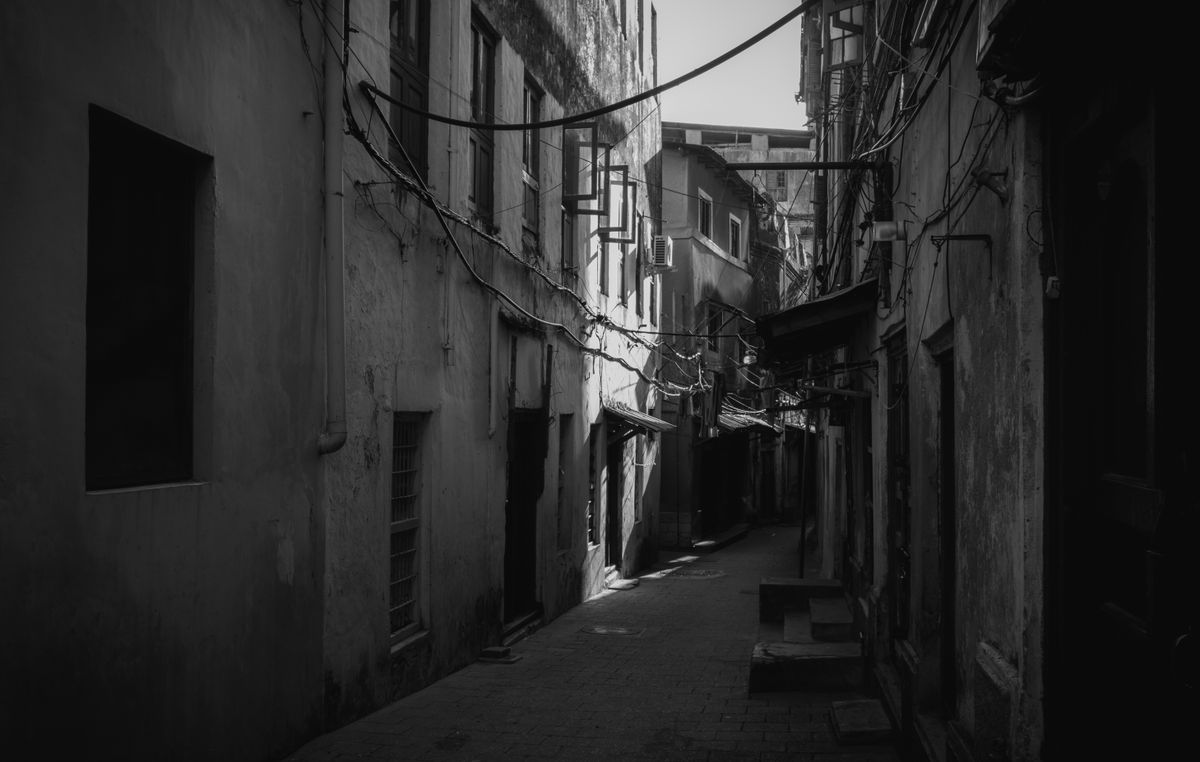
After dark, stick to the well-lit areas around Forodhani Gardens and the main waterfront, and take a taxi back to your hotel if you are staying outside the old quarter. The alleyways are poorly lit at night, and it is easy to get lost or find yourself in a deserted area. Violent crime against tourists is rare, but opportunistic theft does happen, so stay alert and trust your instincts if a situation feels uncomfortable.
Dress Code and Cultural Etiquette
Zanzibar is a predominantly Muslim island, and Stone Town is a conservative community where modest dress is expected outside the beach resorts. Cover your shoulders and knees when walking through the old quarter, visiting mosques or museums, and eating at local restaurants. Beachwear, short skirts, and sleeveless tops are considered disrespectful in town, and you may be refused entry to some sites if you are not dressed appropriately. Men should also avoid going shirtless outside the beach.
Friday is the main prayer day, and many shops and restaurants close for a few hours around midday while people attend the mosque. Respect prayer times by keeping noise down near religious buildings, and do not attempt to enter a mosque unless you have been invited or the site is explicitly open to non-Muslim visitors. During Ramadan, eating, drinking, and smoking in public during daylight hours is considered offensive, so be discreet if you need to eat or drink while fasting is observed.
Money and Payments
Most transactions in Stone Town are cash-only, and Tanzanian shillings are the preferred currency for street food, dala dalas, and small shops. US dollars are widely accepted at hotels, tour operators, and museums, but you will often get a better rate if you pay in shillings. ATMs are available around the old quarter, but they sometimes run out of cash or reject foreign cards, so withdraw money as soon as you arrive and keep a reserve in case machines are offline.
Credit cards are accepted at upmarket hotels and some restaurants, but many smaller businesses charge a surcharge of 5% or more for card payments. Tipping is not obligatory, but rounding up the bill or leaving 10% is appreciated for good service. Guides, drivers, and porters typically expect a small tip, and USD 5 to USD 10 is a reasonable amount for a half-day tour or airport transfer.
Day Trips and Nearby Beaches from Stone Town
Prison Island
Prison Island, also called Changuu Island, sits about 5.6 kilometres offshore and is reached by a 20 to 30 minute boat ride from Stone Town. The island is home to a colony of giant Aldabra tortoises, some of which are over 100 years old, and the ruins of a prison that was never used for its intended purpose and became a quarantine station instead. A basic boat trip costs around USD 30 to USD 60, and you also pay an island entry fee, plus any conservation fee in force when you visit.

The island has a small beach where you can swim and snorkel, and the tortoise sanctuary is the main attraction. The animals are used to visitors and will approach you if you have food, but do not feed them anything other than the vegetation provided by the rangers. Most trips last about two hours, which is enough time to see the tortoises, walk the beach, and explore the old quarantine buildings. Combine Prison Island with a stop at Nakupenda sandbank if you want a longer day on the water.
North Coast Beaches
Nungwi and Kendwa on the northern tip of Unguja are the most popular beach resorts within reach of Stone Town, about 60 kilometres by road and 90 minutes by dala dala or private transfer. Both villages have white sand beaches, calm water, and a range of accommodation from budget backpacker hostels to upmarket resorts. Nungwi is busier and more developed, with beach bars, dive shops, and sunset dhow cruises, while Kendwa is quieter and better for families.
Dala dalas to Nungwi leave from the Darajani terminal on Creek Road in Stone Town and cost a few thousand shillings per person, but they are slow and crowded. A private taxi or arranged transfer costs USD 40 to USD 60 and takes about 90 minutes, depending on traffic and road conditions. If you are staying in Stone Town and want a beach day without changing hotels, consider a day trip to Kendwa rather than committing to the full journey north.
East Coast Beaches
Paje and Jambiani on the southeast coast are popular with kitesurfers and independent travellers, and they offer a more laid-back atmosphere than the northern resorts. The beaches here are wide and exposed, with strong tides that create shallow lagoons at low water and deep swimming channels at high tide. The drive from Stone Town takes about 90 minutes, and a private transfer costs USD 40 to USD 60.
Paje has the better infrastructure for kitesurfing, with several schools offering lessons and equipment rental, while Jambiani is quieter and better for long beach walks and snorkelling. Both villages have budget guesthouses, mid-range beach lodges, and a few upmarket boutique hotels. If you are planning to split your time between Stone Town and the beach, two nights in the old quarter followed by three or four nights on the east coast is a good balance.
Frequently Asked Questions About Stone Town Zanzibar
Is one day enough for Stone Town Zanzibar?
One day is enough to see the main heritage sites, walk the streets, and eat at Forodhani Gardens, but you will be rushed and you will miss the quieter museums and the chance to take a boat trip to Prison Island.
Two full days is a better minimum if you want to cover the Anglican Cathedral, the Palace Museum, the Freddie Mercury Museum, and still have time to browse the shops and sit on a rooftop terrace without feeling hurried. If you are combining Stone Town with a beach stay, spend at least one night in the old quarter so you can experience the evening market and the early morning call to prayer.
Do I need a guide to explore Stone Town?
You do not need a guide to walk around Stone Town, because the old quarter is small and the main landmarks are easy to find on your own. A licensed guide adds value if you want to understand the history behind the carved doors, the different architectural styles, and the stories of the families who built the merchant houses, but you can visit the museums and the waterfront independently without missing anything essential. If you do hire a guide, book through your hotel or a registered tour operator rather than accepting offers from unlicensed papasi on the street, because the latter often overcharge and provide less reliable information.
What should I wear in Stone Town Zanzibar?
Cover your shoulders and knees when walking through Stone Town, because the old quarter is a conservative Muslim community and modest dress is expected. Lightweight long trousers or a long skirt, and a T-shirt or blouse that covers your shoulders, are appropriate for both men and women. Beachwear, short shorts, and sleeveless tops are considered disrespectful in town, and you may be refused entry to mosques, museums, and some restaurants if you are not dressed appropriately. Bring a sarong or a light scarf that you can use to cover up if needed, and wear comfortable walking shoes because the streets are uneven and some areas are cobbled.
Is Stone Town Zanzibar safe at night?
Stone Town is generally safe at night in the well-lit areas around Forodhani Gardens and the main waterfront, where the evening food market draws crowds and there is a visible police presence. The narrow alleyways away from the seafront are poorly lit and can feel intimidating after dark, and it is easy to get lost or end up in a deserted area.
Stick to the main streets, travel in a group if possible, and take a taxi back to your hotel if you are staying outside the old quarter. Violent crime is rare, but petty theft and bag snatching do happen, so keep your valuables secure and stay alert to your surroundings.
Can I use US dollars in Stone Town?
US dollars are widely accepted in Stone Town at hotels, tour operators, museums, and upmarket restaurants, but you will often get a better rate and more flexibility if you pay in Tanzanian shillings. Street food vendors, dala dalas, and small shops prefer shillings, and some will not accept dollars at all. ATMs in the old quarter dispense shillings, and you can exchange dollars at bureaux de change along the waterfront, though rates vary so compare a few before you commit. Bring small denomination dollar bills if you plan to use cash, because change for large notes can be hard to come by.
How far is Stone Town from the beach resorts?
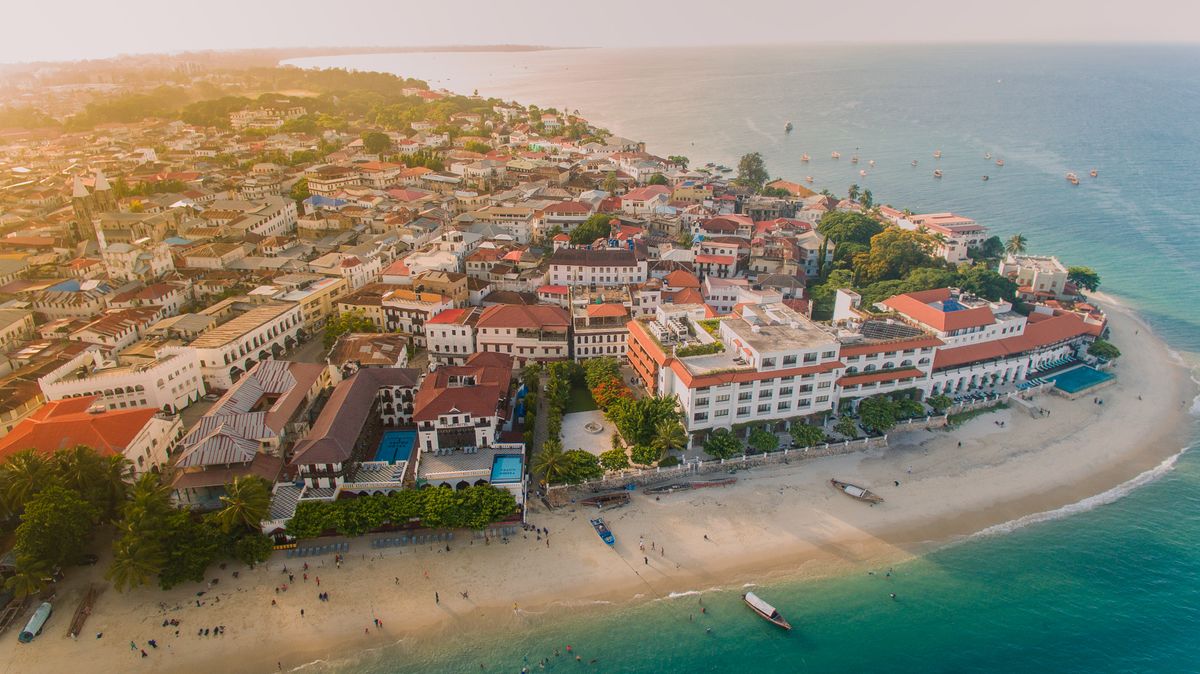
Stone Town sits on the west coast of Unguja Island, and the main beach resorts are about 60 to 90 minutes away by road. Nungwi and Kendwa on the north coast are roughly 60 kilometres from Stone Town, and the drive takes 90 minutes by private transfer or up to two hours by dala dala. Paje and Jambiani on the southeast coast are a similar distance and travel time. The beaches immediately around Stone Town are not suitable for swimming because of the port, the tidal mudflats, and the urban runoff, so plan to travel if you want a beach day.
Stone Town Zanzibar: Your Next Stop
Stone Town rewards slow exploration, and the longer you stay the more layers you will uncover in the carved doors, the spice-scented alleyways, and the conversations with shopkeepers whose families have traded from the same buildings for generations. Two days gives you time to see the heritage sites, eat your way through Forodhani Gardens, and take a morning boat to Prison Island without rushing. Book your accommodation in Stone Town and a guided walking tour before you arrive, and leave at least one afternoon free to get lost in the backstreets and stumble on the details that do not make it into any guidebook.
If Zanzibar is part of a longer Africa trip, browse our Africa guides, including the best things to do in Cape Town, use When to Go to time the rest of your route, or begin with Start Here and the full list of destinations. For official background, see the UNESCO World Heritage listing for Stone Town and the Tanzania Tourism Board’s Zanzibar page.