

In this guide 38
- Top Things to Do in Cape Town
- Ride the Table Mountain Cable Car
- Hike Table Mountain
- Explore the V&A Waterfront
- Visit Robben Island
- Drive to Cape Point and the Cape of Good Hope
- Meet the Penguins at Boulders Beach
- Walk Through Kirstenbosch Botanical Gardens
- Drive Chapman’s Peak and Visit Camps Bay
- Discover Bo-Kaap and District Six
- Take a Wine Tour to Stellenbosch and Franschhoek
- Free and Budget Things to Do in Cape Town
- Sample Itineraries for Cape Town
- Best Time to Visit Cape Town
- Entry Fees and Costs
- Getting There and Getting Around
- Where to Stay in Cape Town
- Practical and Safety Tips
- Frequently Asked Questions
- Final Thoughts on Visiting Cape Town
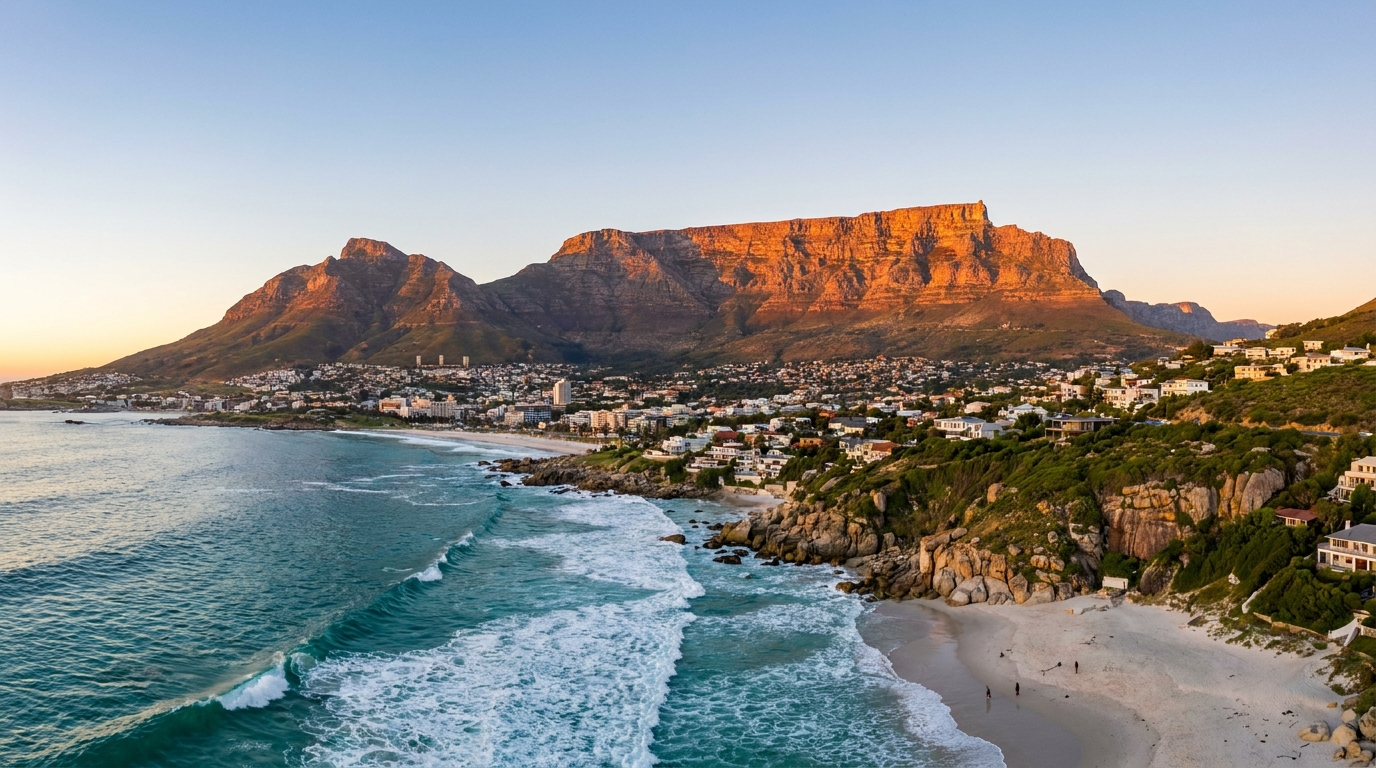
Cape Town sits at the tip of Africa where two oceans meet, and things to do in Cape Town range from cable car rides up Table Mountain to penguin colonies on warm sand beaches. The city packs iconic landmarks, hiking trails, wine valleys and cultural museums into a tight radius, so you can fill three days without a car or stretch a week across the peninsula. Most visitors arrive through Cape Town International Airport, which sits 20 kilometres east of the city centre, and the best months for outdoor sightseeing run from September through April when rain is light and the famous southeaster wind eases off.
Some links in this guide are affiliate links. If you book through one, Roamdusk may earn a commission at no extra cost to you. It never decides what we recommend.
Top Things to Do in Cape Town
The headline attractions cluster in three zones: the mountain and city bowl, the Atlantic coast from the V&A Waterfront south to Hout Bay, and the Cape Point peninsula. Each zone earns a full day, and the things to do in Cape Town that fill most itineraries sit inside those three areas.
Ride the Table Mountain Cable Car
The Table Mountain Aerial Cableway carries you 1,067 metres above sea level in five minutes, and the 360-degree rotating cars give every passenger a view. Adult return tickets cost R670 for the year from July 2026, and one-way tickets R420. Children under four ride free, and children aged four to 17, South African pensioners and students pay reduced rates. Fast Track tickets at R1,200 return let you skip the queue, and they are worth the premium on summer weekends when standard queues reach two hours.
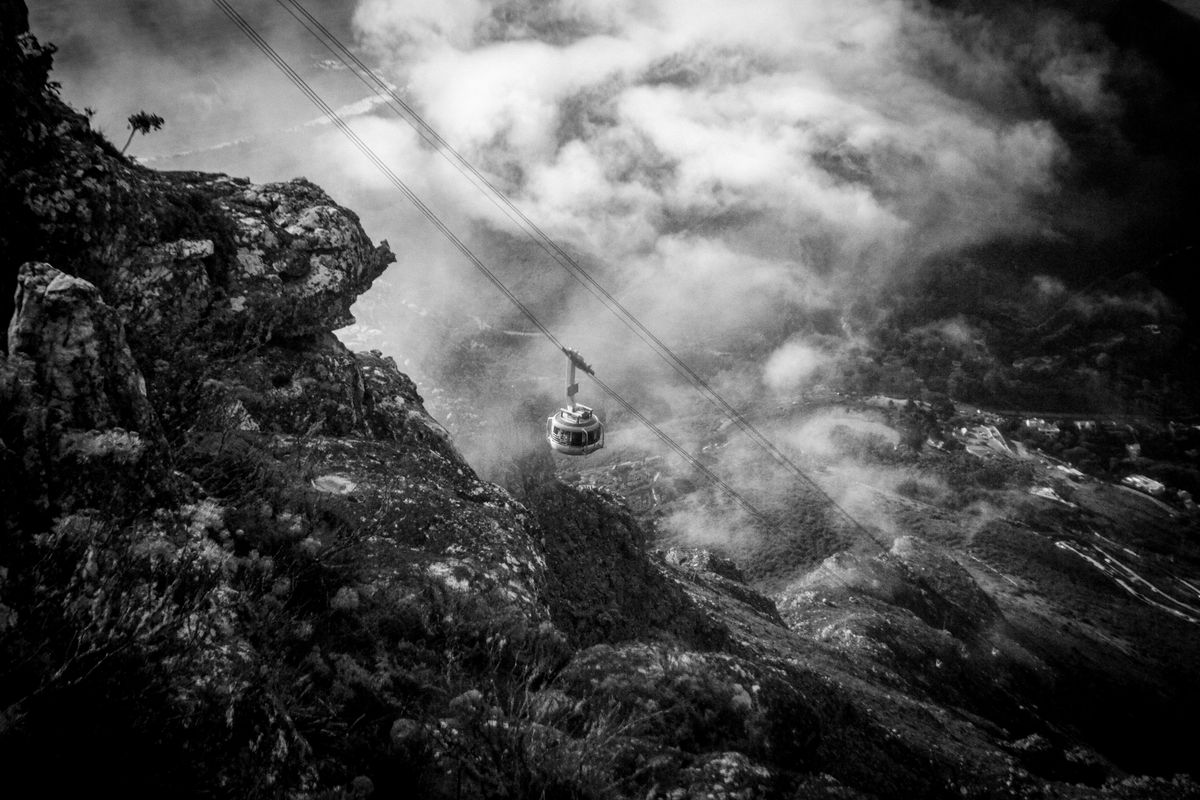
Book online through the official site at least 48 hours ahead during peak season from December through March. The cableway closes without warning when wind speeds exceed safe limits, and the southeaster blows hardest from November to February. Check the live status page on the morning of your visit, and have a hiking route ready as a backup. The cable car operates from early morning until evening, with the last car up leaving around 19:00 in summer and 17:30 in winter.
Hike Table Mountain
Platteklip Gorge is the most direct hiking route to the summit, gaining 700 metres over 2.5 kilometres in a steady grind up stone steps. The trail starts at Tafelberg Road above the lower cableway station, and most fit hikers reach the top in 90 minutes to two hours. India Venster is a more technical scramble with chain assists and exposure, while Skeleton Gorge climbs through indigenous forest on the eastern side and takes three to four hours from Kirstenbosch.
Start early to avoid afternoon wind and summer heat, and carry two litres of water per person because there are no taps on the mountain. Weather changes fast at the summit, so pack a windproof layer even on a clear morning. Tell someone your route and expected return time, and check SANParks trail notices before you leave, because routes close after fires, rockfalls and maintenance work.
Explore the V&A Waterfront
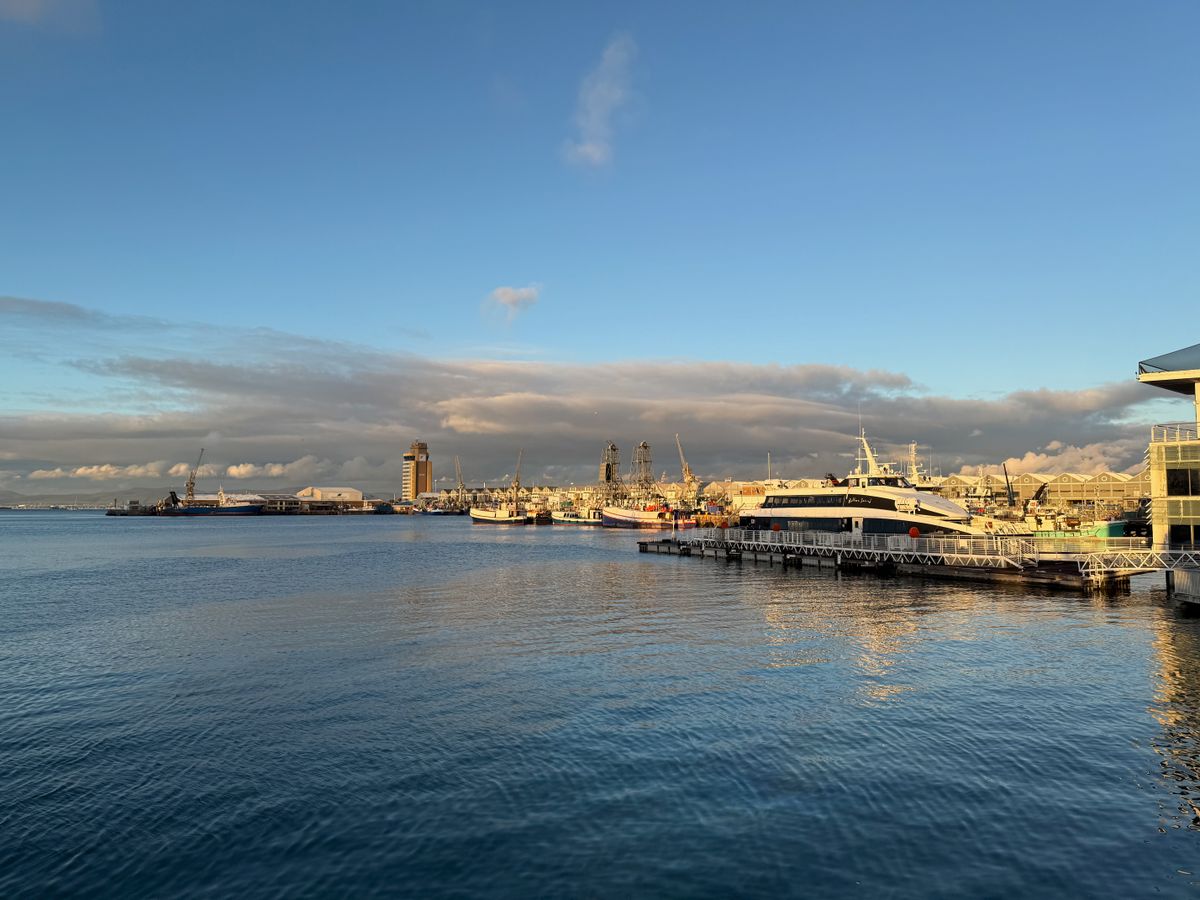
The Victoria & Alfred Waterfront is a working harbour lined with restaurants, shops and museums, and it is the departure point for Robben Island ferries. Two Oceans Aquarium holds kelp forests and ragged-tooth sharks, and the Watershed market upstairs fills three halls with craft stalls and food vendors. The waterfront stays open until late, and most restaurants serve until 22:00 or later on weekends.
The Silo District on the western edge holds the Zeitz Museum of Contemporary Art Africa, which occupies a converted grain silo and charges R265 for adult admission. The museum opens daily from 10:00 to 18:00, with last entry at 17:30. Parking at the waterfront is paid and fills quickly on weekends, so the MyCiTi bus route from Civic Centre is often faster than driving.
Visit Robben Island
Robben Island is where Nelson Mandela spent 18 of his 27 years in prison, and the only way to visit is on an official museum tour that includes the ferry crossing and a guided walk through the prison. Ferries depart from the Nelson Mandela Gateway at the V&A Waterfront at 09:00, 11:00, 13:00 and 15:00, and the full tour takes 3.5 hours including the crossing. Tours sell out two to four weeks ahead during peak summer season, so book as soon as your dates are fixed.
Arrive at the Nelson Mandela Gateway at least 30 minutes before your departure time because boarding gates close ten minutes before sailing. Bring a printed or digital copy of your passport or ID, and check the weather forecast because rough seas cancel sailings on short notice. The island is exposed and windy, so bring a jacket even in summer. Former political prisoners have long led the prison tour, and their accounts are the reason this visit matters.
Drive to Cape Point and the Cape of Good Hope
Cape Point sits at the southern tip of the Cape Peninsula inside Table Mountain National Park, and the drive from central Cape Town takes about 90 minutes via Chapman’s Peak Drive or the inland M3. The park gate opens at 06:00 and closes at 18:00 in summer. Until 31 October 2026, entry costs R515 for international adults and R250 for children aged two to 11, with much lower rates for South African residents, and SANParks raises its fees every 1 November. The SANParks Wild Card covers entry if you are visiting multiple parks during your trip.
The old lighthouse sits 238 metres above the sea, and you can either hike the path or ride the Flying Dutchman Funicular for R115 return. The funicular operates from 09:00 to 17:30. The Cape of Good Hope viewpoint is a separate stop about two kilometres away along the coast, and the actual southernmost point of Africa is Cape Agulhas 150 kilometres east. Baboons are common throughout the park, and they will rip open car doors and bags for food, so keep windows closed and never feed them.
Meet the Penguins at Boulders Beach
Boulders Beach near Simon’s Town is home to a colony of African penguins that nest in the dunes and swim in the sheltered cove. The beach sits inside Table Mountain National Park, and until 31 October 2026 entry costs R245 for international adults and R120 for children aged two to 11. Two boardwalks run through the colony, and a separate swimming beach lets you share the water with penguins if the Atlantic temperature does not scare you off.
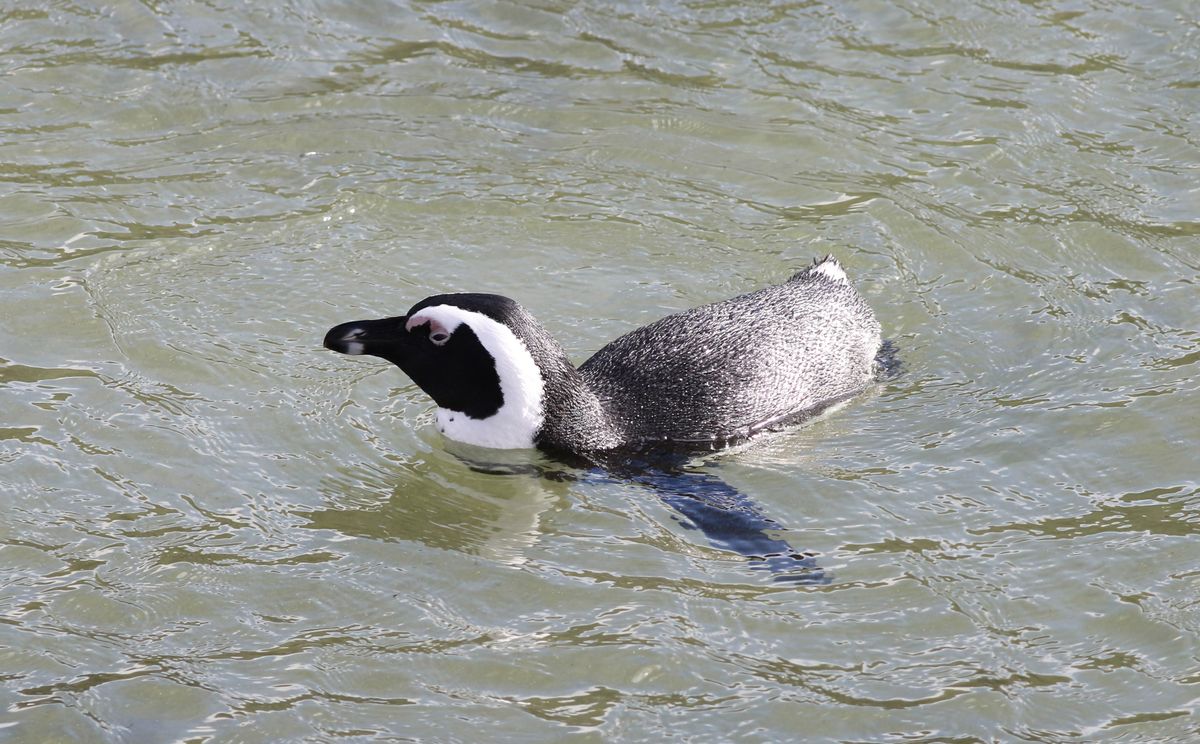
The penguins are wild and protected, so do not touch them or block their paths. Peak viewing is mid-morning when most of the colony is ashore, and the site gets crowded after 11:00 when tour buses arrive. Combine Boulders with Cape Point in one day because Simon’s Town sits about 15 kilometres north of the park gate. Stony Point Penguin Colony at Betty’s Bay is a quieter alternative 90 minutes east of Cape Town, with a much lower entry fee.
Walk Through Kirstenbosch Botanical Gardens
Kirstenbosch sits on the eastern slopes of Table Mountain and protects 528 hectares of indigenous Cape flora. The cultivated gardens cover 36 hectares, and the rest is natural fynbos that climbs into Skeleton Gorge. Admission costs vary by season, and the gardens open daily from 08:00 until sunset. The summer sunset concerts run on Sunday evenings from November through April, and you can bring a picnic and sit on the lawn while local musicians play.
The Boomslang walkway is a steel bridge that curves through the canopy 12 metres above the ground, and it gives views across the gardens to False Bay. The gardens were the first botanical garden in the world to be included in a natural World Heritage Site, and the plant collection focuses on species native to the Cape Floral Kingdom. Allow two hours for a full walk, or three if you continue onto the lower mountain trails.
Drive Chapman’s Peak and Visit Camps Bay
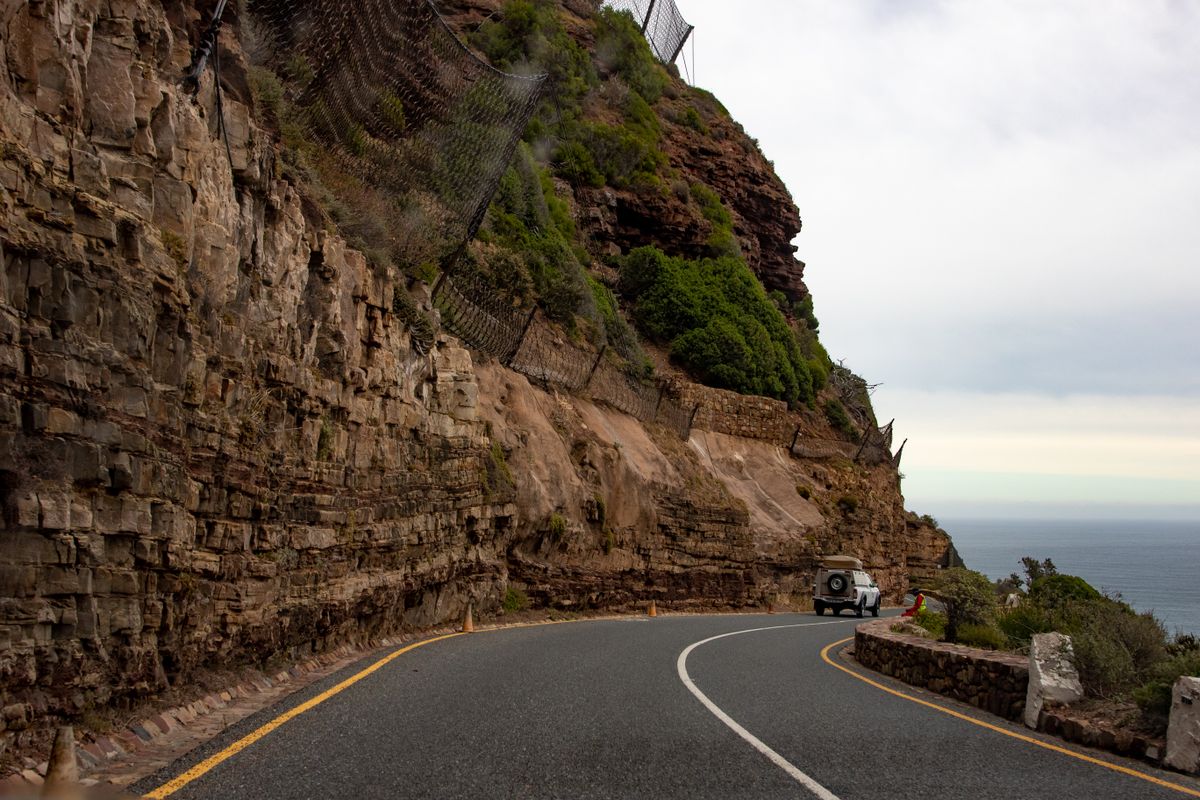
Chapman’s Peak Drive is a nine-kilometre toll road carved into the cliff between Hout Bay and Noordhoek, and it is one of the most scenic coastal drives you will find anywhere. The toll costs around R60 per car, and the road closes in high wind or after rockfalls. Drive south from Hout Bay in the morning so the sun is behind you and the views open to the west.
Camps Bay beach sits below the Twelve Apostles mountain range, and the white sand and palm-lined promenade make it the most photographed beach in Cape Town. The water is cold year-round, but the beach bars and restaurants stay busy from lunch through sunset. Clifton has four sheltered coves numbered one through four, with Fourth Beach being the most accessible and family-friendly. Parking fills by 11:00 on summer weekends, so arrive early or take an Uber.
Discover Bo-Kaap and District Six
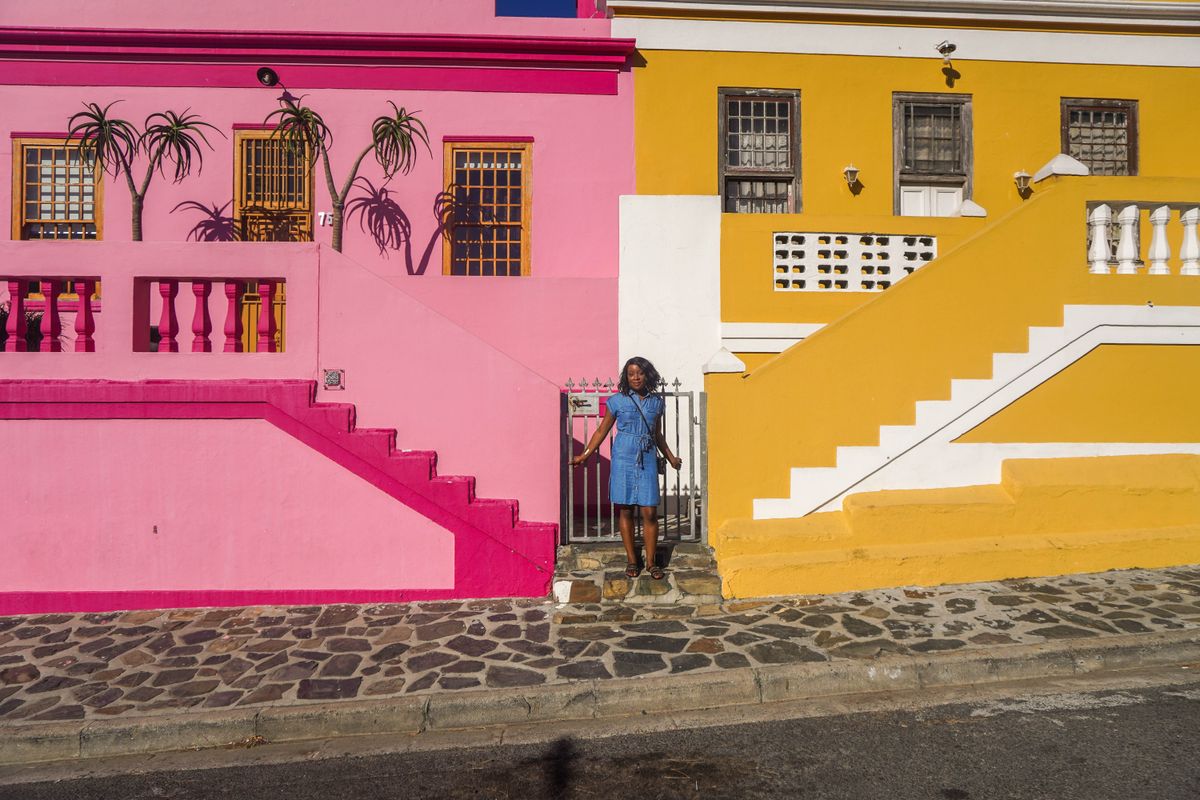
Bo-Kaap is the neighbourhood of brightly painted houses on the slopes above the city centre, and it has been home to Cape Malay families since the 18th century. Wale Street and Chiappini Street have the most concentrated rows of colourful facades, and the Bo-Kaap Museum on Wale Street tells the history of the community. The area is a working residential neighbourhood, so walk respectfully and ask before photographing people or their homes.
The District Six Museum on Buitenkant Street documents the forced removals that destroyed a mixed-race neighbourhood under apartheid. It charges a modest admission fee and opens Monday to Saturday from 09:00 to 16:00. Former residents have signed the floor map, and the collection of personal stories and photographs is more powerful than any guidebook description. Allow an hour for the visit, and combine it with a walk through the Company’s Garden and a stop at the Castle of Good Hope if you have time.
Take a Wine Tour to Stellenbosch and Franschhoek
The Cape Winelands lie 40 to 70 kilometres east of Cape Town, and the towns of Stellenbosch and Franschhoek anchor the two main wine routes. Stellenbosch is the older university town with more than 150 wine estates, while Franschhoek sits in a narrow valley and has a higher concentration of French-influenced estates and restaurants. Most estates charge R50 to R150 for a tasting of five wines, and many require booking ahead on weekends.
If you are driving, appoint a sober driver or plan to spit and dump your tastings. Organized wine tours pick you up in Cape Town and visit three to four estates in a day, and they handle the driving and booking. The Cape Town Tourism site lists accredited tour operators. The Franschhoek Wine Tram is a hop-on hop-off tram and bus loop that connects eight estates, and it runs year-round with tickets from about R400 per person, depending on the line and season.
Free and Budget Things to Do in Cape Town
Not every attraction in Cape Town charges entry, and the free things to do in Cape Town can fill two or three days if you plan them right. The Company’s Garden in the city centre is a public park with 300-year-old trees, a rose garden and a small aviary, and it is open from sunrise to sunset with no charge. The garden sits between the South African Museum and the National Gallery, and both museums charge modest entry fees.
Hike Lion’s Head at Sunrise
Lion’s Head is the peak next to Table Mountain, and the summit trail is a 5.5-kilometre loop that gains 360 metres. The hike takes 90 minutes to two hours, and the final section uses chains bolted into the rock. Start before sunrise to reach the top as the light hits Table Bay, and you will share the trail with a hundred other hikers doing the same thing. The trailhead is on Signal Hill Road above Kloof Nek, and parking is free but fills by 05:30 on weekends.
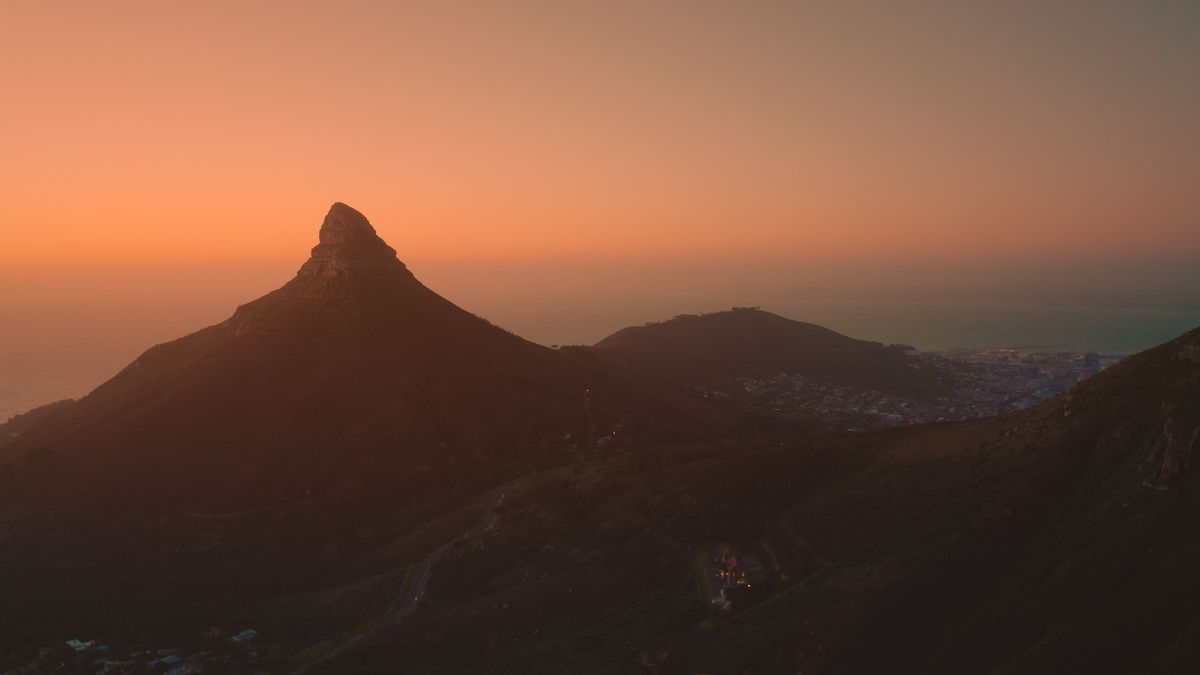
Full moon hikes are a Cape Town tradition, and the trail stays busy until after midnight when the moon is full. Bring a headlamp with fresh batteries, and stick to the main path because the side trails are loose and exposed. The view from the summit covers the entire city bowl, Table Mountain, Robben Island and both coastlines.
Walk the Sea Point Promenade
The Sea Point Promenade is a paved walkway that runs four kilometres along the Atlantic coast from Mouille Point lighthouse to Bantry Bay. The path is flat, wide and lit at night, and it is busy with runners, cyclists and families from dawn until after dark. The Sea Point Pavilion at the midpoint has tidal pools and a public swimming pool with a small entry fee.
Stop at the Mouille Point lighthouse for photos, and continue along the Green Point Urban Park if you want to extend the walk toward the V&A Waterfront. The promenade has public toilets, water fountains and benches along the way, and there are no entry fees or restrictions.
Browse the Saturday Markets
The Neighbourgoods Market at the Old Biscuit Mill in Woodstock runs every Saturday from 09:00 to 14:00, and entry is free. The market fills two warehouse halls with food stalls, craft vendors and live music, and it is the best place in Cape Town to try local street food without sitting in a restaurant. Arrive before 10:00 to avoid the crowds, and bring cash because not all vendors take cards.
The Oranjezicht City Farm Market runs on Saturday and Sunday mornings at Granger Bay near the V&A Waterfront, and it focuses on organic produce and artisan bread. Both markets are popular with locals, so you will eat and shop alongside Capetonians rather than tour groups.
Sample Itineraries for Cape Town
How you split your time depends on whether you want to stay in the city or explore the peninsula, and whether you have a car. These itineraries assume you are based in the city centre or near the V&A Waterfront, and that you have access to a car or are willing to book a tour for the longer trips.
Three Days in Cape Town
Day 1: Start with the Table Mountain cable car or a morning hike up Platteklip Gorge, and spend two hours on the summit. Come down by cable car and walk through the Company’s Garden to the District Six Museum. Have lunch in the city centre, then drive or Uber to Camps Bay for the afternoon. Watch sunset from one of the beach bars on Victoria Road.
Day 2: Book the 09:00 Robben Island ferry and return to the V&A Waterfront by 12:30. Have lunch at the Watershed market, then spend the afternoon exploring the waterfront or visiting the Zeitz MOCAA if contemporary art interests you. Walk along the harbour at sunset, and have dinner at one of the waterfront restaurants.
Day 3: Leave early for Cape Point and drive via Chapman’s Peak if the road is open. Stop at Hout Bay for 20 minutes, then continue to the Cape of Good Hope. Ride the funicular to the old lighthouse, and allow 90 minutes inside the park. Drive north to Boulders Beach and spend an hour with the penguins, then continue to Simon’s Town for a late lunch. Return to Cape Town via Muizenberg and the coast road, and stop at Kalk Bay if you have time.
Five Days in Cape Town
Follow the three-day itinerary above, then add these two days. Day 4: Drive to Stellenbosch and visit three wine estates for tastings. Have lunch at one of the estate restaurants, and spend the afternoon in Franschhoek. Return to Cape Town in the early evening, and have a quiet dinner near your accommodation.
Day 5: Hike Lion’s Head at sunrise, then return to your hotel for breakfast. Spend the late morning at Kirstenbosch Botanical Gardens, and walk the Boomslang canopy bridge. Have lunch in Constantia, then drive to Bo-Kaap and walk the colourful streets. Finish with sunset drinks at a rooftop bar in the city centre, and book a table at one of Cape Town’s top restaurants for your final dinner.
Best Time to Visit Cape Town
Cape Town’s weather divides into a warm dry summer from November to March and a cooler wet winter from May to August. The best time to visit Cape Town for outdoor activities is from September through April, when temperatures range from 20°C to 28°C and rain is light. December to February is peak summer with the hottest weather and the longest days, but it is also when the southeaster wind blows hardest and the cable car closes most often.
Seasonal Weather Patterns
The southeaster is a strong wind that blows from the southeast across the Cape Peninsula, and it is most common from November through February. The wind can reach 60 kilometres per hour and last for three days, and it makes beach days unpleasant and closes the Table Mountain cable car. Check the wind forecast before you book outdoor activities, and have indoor backups ready during summer.
Winter from June to August brings rain and cooler temperatures, with daytime highs around 18°C and lows near 8°C. Rain falls in frontal systems that last one or two days, and the higher mountain ranges inland can get snow. Accommodation prices drop by 30 to 40 percent, and major attractions are quieter, but hiking and beach activities are less reliable. Spring from September to November and autumn from March to April offer the best balance of good weather, moderate crowds and reasonable prices.
When to Book Key Attractions
The cable car publishes live availability on its official site, and you can check current capacity before you commit to a date. Robben Island ferries are weather-dependent, and sailings cancel on short notice when swells exceed safe limits. If your ferry is cancelled, the museum will try to rebook you on another day, but there is no guarantee of availability.
Entry Fees and Costs
Cape Town is affordable by European and North American standards, but costs add up if you visit every paid attraction. This table shows entry fees for the main sites for international visitors, and prices are in South African Rand.
| Attraction | Adult | Child | Notes |
|---|---|---|---|
| Table Mountain cable car return | R670 | Reduced | Under 4 free; one way R420 |
| Cape Point park entry | R515 | R250 | Until 31 Oct 2026; SANParks Wild Card accepted |
| Boulders Beach penguins | R245 | R120 | Until 31 Oct 2026; SANParks Wild Card accepted |
| Kirstenbosch Gardens | Varies | Varies | Check official site for current rates |
| District Six Museum | Modest fee | Modest fee | Monday to Saturday 09:00 to 16:00 |
| Zeitz MOCAA | R265 | Reduced | Daily 10:00 to 18:00 |
| Chapman’s Peak toll | About R60 | N/A | Per vehicle; motorcycles cheaper |
Daily Budget Estimates
A budget traveller staying in hostels and cooking most meals can manage on R600 to R800 per day, not including major paid attractions. Mid-range travellers staying in guesthouses and eating out twice a day should budget R1,500 to R2,000 per day. Luxury travellers can spend R4,000 or more per day on boutique hotels and fine dining.
Transport costs vary widely depending on whether you use the MyCiTi bus, Uber or a rental car. The MyCiTi airport bus costs around R100 one way, while an Uber from the airport to the city centre runs R250 to R350. Rental cars start at R350 per day for a compact manual, and you will need a car for Cape Point and the Winelands unless you book a tour.
Getting There and Getting Around
Cape Town International Airport sits 20 kilometres east of the city centre, and the airport code is CPT. Direct flights arrive from Europe, the Middle East and other African cities, and domestic flights connect Cape Town to Johannesburg, Durban and other South African cities. The MyCiTi A01 airport bus runs from the terminal to Civic Centre station in the city centre every 20 to 30 minutes, and the journey takes 30 to 40 minutes depending on traffic.
MyCiTi Bus vs Uber vs Car Rental
The MyCiTi bus network covers the city centre, Sea Point, Camps Bay, Hout Bay, the V&A Waterfront and the airport, and it is the cheapest public transport option. You need a myconnect card to ride, and you can buy one at the airport station or Civic Centre. Fares are distance-based, and a trip from the airport to the city centre costs around R100. Buses run from 05:00 to 21:30 on weekdays and 06:00 to 21:30 on weekends.
Uber operates throughout Cape Town, and it is reliable for point-to-point trips within the city. Fares are lower than in Europe or North America, and a 15-minute trip across the city bowl costs R60 to R80. Uber is the easiest option for reaching restaurants and bars at night, and drivers generally know the city well. The SANParks Table Mountain page has information on park access and transport options.
Renting a car makes sense if you plan to visit Cape Point, the Winelands or the West Coast, because public transport does not reach those areas. International rental companies have desks at the airport, and you will need an International Driving Permit if your licence is not in English. Drive on the left, and expect aggressive driving on the highways. Parking in the city centre costs R20 to R40 per hour, and most hotels charge extra for secure parking.
Where to Stay in Cape Town
The city centre and the V&A Waterfront have the highest concentration of hotels and guesthouses, and both areas put you within walking distance of restaurants, museums and the MyCiTi bus network. The city centre is grittier and cheaper, while the waterfront is cleaner and more expensive. Sea Point and Green Point are residential neighbourhoods with mid-range guesthouses and self-catering apartments, and they sit on the MyCiTi route between the city and Camps Bay.
Neighbourhood Breakdown
Camps Bay and Clifton are the beach neighbourhoods with luxury hotels and ocean views, and they are the most expensive areas to stay. MyCiTi buses reach Camps Bay, but Uber or a car is easier in the evening. Observatory and Woodstock are the bohemian neighbourhoods east of the city centre, with hostels, live music venues and street art. They are cheaper than the city centre but less convenient for first-time visitors.
Constantia and the southern suburbs are quiet residential areas near Kirstenbosch and the Winelands, and they suit travellers who want space and a garden. You will need a car, and the drive to the city centre takes 20 to 30 minutes depending on traffic.
Practical and Safety Tips
Cape Town is generally safe in tourist areas during the day, but petty theft and bag snatching happen in crowded places. Keep your phone and wallet out of sight when walking in the city centre, and do not leave bags unattended on the beach or in your car. Use the hotel safe for passports and extra cash, and carry only what you need for the day.
What to Watch For
The Atlantic Ocean is cold year-round, with summer temperatures around 14°C to 16°C, and the currents are strong. Swim only at beaches with lifeguards, and stay between the flags. Rip currents are common, and several drownings happen every summer. If you are caught in a rip, swim parallel to the shore until you are out of the current, then swim back to the beach.
Baboons in the Cape Point area are habituated to humans and will steal food from cars and bags. Keep car windows closed and do not approach them, because they bite when threatened. If a baboon opens your car door, do not try to fight it off. Let it take what it wants and report the incident to park rangers.
Booking Windows and Lead Times
Book Robben Island ferries two to four weeks ahead during peak season from December to February, and check availability as soon as your travel dates are fixed. The official Robben Island Museum site is the primary booking channel, and third-party resellers charge a premium. Book the Table Mountain cable car online as soon as your dates are set, and check live availability on the official site.
Wine estate tastings require booking on weekends and public holidays, especially in Franschhoek where some estates only accept reservations. Book three to five days ahead during peak season, and call directly rather than relying on email because many small estates do not check messages daily.
Frequently Asked Questions
Is three days enough for Cape Town?
Three days covers the main highlights including Table Mountain, Robben Island and Cape Point, but you will move fast and skip some neighbourhoods. Five days gives you time to add the Winelands, a second beach day and a few free activities without rushing. If you only have three days, prioritize Table Mountain, Robben Island and one full day on the peninsula.
What are the best free things to do in Cape Town?
The best free things to do in Cape Town include hiking Lion’s Head, walking the Sea Point Promenade, exploring the Company’s Garden and browsing the Neighbourgoods Market on Saturday mornings. You can also walk through Bo-Kaap, hike the lower slopes of Table Mountain and watch sunset from Signal Hill without paying anything. Most beaches are free to access, though Boulders Beach charges entry because it sits inside a national park.
When is the best time of year to visit Cape Town?
The best time of year to visit Cape Town is from September to November or March to April, when weather is warm and stable, the southeaster wind is lighter and crowds are smaller than peak summer. December to February is the busiest and hottest period with long days and the best beach weather, but the wind can disrupt outdoor plans. Avoid June to August unless you are comfortable with rain and cooler temperatures.
How far in advance should I book the Table Mountain cable car?
Book the Table Mountain cable car at least 48 hours ahead during summer, and up to two weeks ahead for weekends and public holidays. You can check live availability on the official site before you choose a date. If tickets are sold out, consider hiking up and riding the cable car down on a one-way ticket.
Can you visit Robben Island without a tour?
No, you cannot visit Robben Island without joining an official tour. The only way to reach the island is on the museum ferry, and the tour includes the crossing, a bus tour of the island and a guided walk through the prison. The tour takes 3.5 hours including ferry time, and the prison walk has long been led by former political prisoners. Independent visits are not permitted.
What should I pack for Cape Town?
Pack layers because Cape Town weather changes throughout the day, and the wind can make a warm morning feel cold by afternoon. Bring a windproof jacket, sunscreen, a hat and comfortable walking shoes. If you plan to hike Table Mountain, pack two litres of water, snacks and a headlamp. Swimwear is useful even in winter because some hotels have heated pools, and you might want to try the tidal pools at Sea Point.
If Cape Town is one stop on a longer Africa trip, browse our Africa guides, including the Chefchaouen travel guide for Morocco’s blue city. For accredited tour operators and current events, the Cape Town Tourism site is the official source.
Final Thoughts on Visiting Cape Town
The things to do in Cape Town stretch from mountain summits to penguin beaches, and the city rewards both quick visits and long stays. Three days covers the iconic landmarks, while five days lets you add wine valleys and quieter neighbourhoods. Book the cable car and Robben Island ferry as soon as your dates are set, and keep your itinerary flexible because wind and weather will force changes. Start hikes early, keep valuables out of sight and swim only at guarded beaches. Cape Town delivers if you plan around the wind, respect the ocean and give yourself time to explore beyond the postcard shots.