

In this guide 25
- Quick Facts and Location
- Where to See Seals in Kaikoura
- Best Time to Visit and Seasonal Differences
- Seal Watching Safety and Ethics (DOC Guidelines)
- Tips for Families and Photographers
- How to Get There and Parking
- Things to Do Nearby
- FAQs about the Kaikoura Seal Colony
- Plan Your Visit: Step-by-Step
- Conclusion
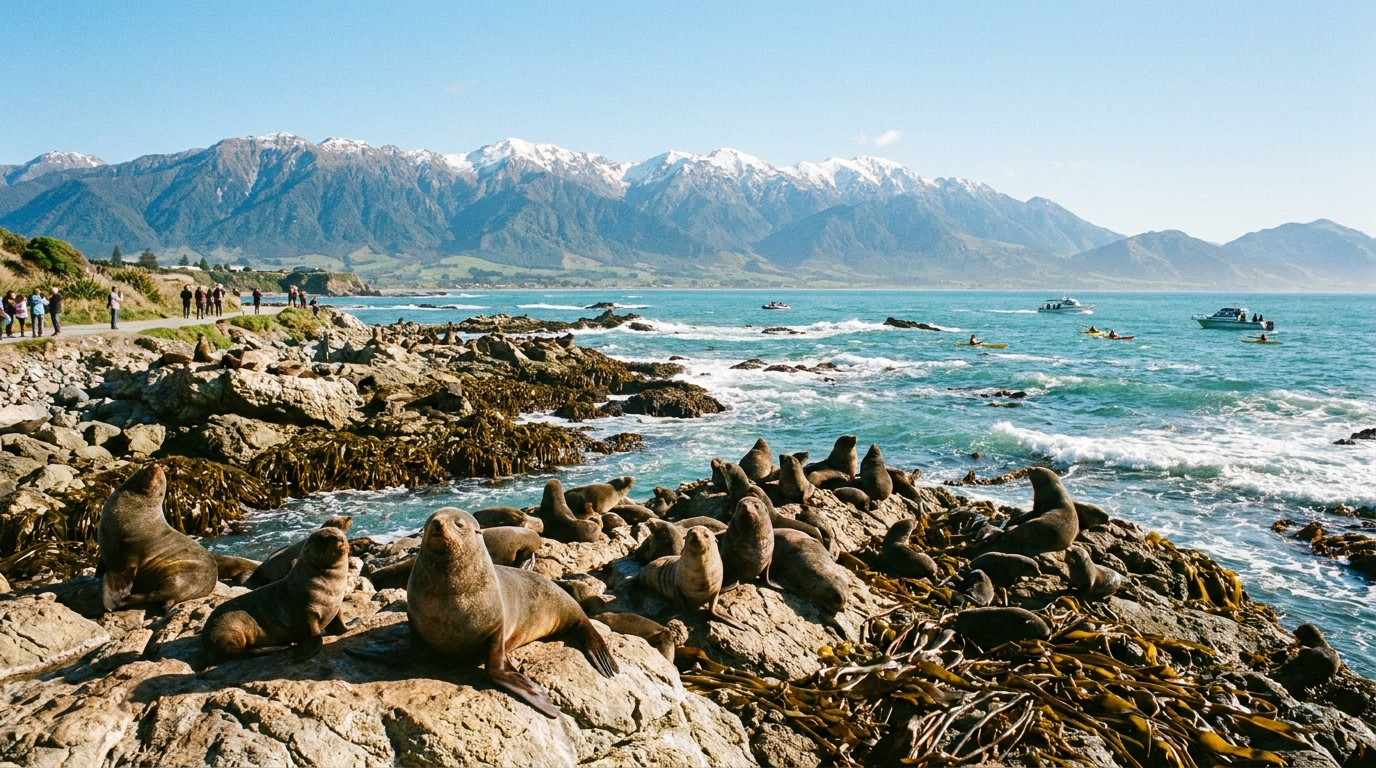
The Kaikoura seal colony stands out as one of New Zealand’s best wildlife experiences, drawing visitors year-round to observe New Zealand fur seals up close. The colony is known for its coastal views, its responsible wildlife viewing and its easy access for all ages. Whether you’re planning a half-hour stop or a longer coastal walk, knowing what to expect and how to visit responsibly ensures a rewarding trip for you and protection for the seals.
Some links in this guide are affiliate links. If you book through one, Roamdusk may earn a commission at no extra cost to you. It never decides what we recommend.
Quick Facts and Location
The Kaikoura seal colony is best known for two main viewing sites: the Kaikoura Peninsula Walkway (Point Kean) and Ohau Point, about 25 km north of Kaikoura on State Highway 1. Both are accessible by car, with Point Kean offering the closest access from town and a large car park at 40 Fyffe Quay. Seals are visible year-round, and all DOC guidelines apply for safe and ethical wildlife viewing. Essential services like public toilets and information boards are available at the Point Kean car park, making it the best starting point for most visitors. For a deeper orientation, check signage at the car park for a current map and DOC alerts.
Key Sites and Accessibility
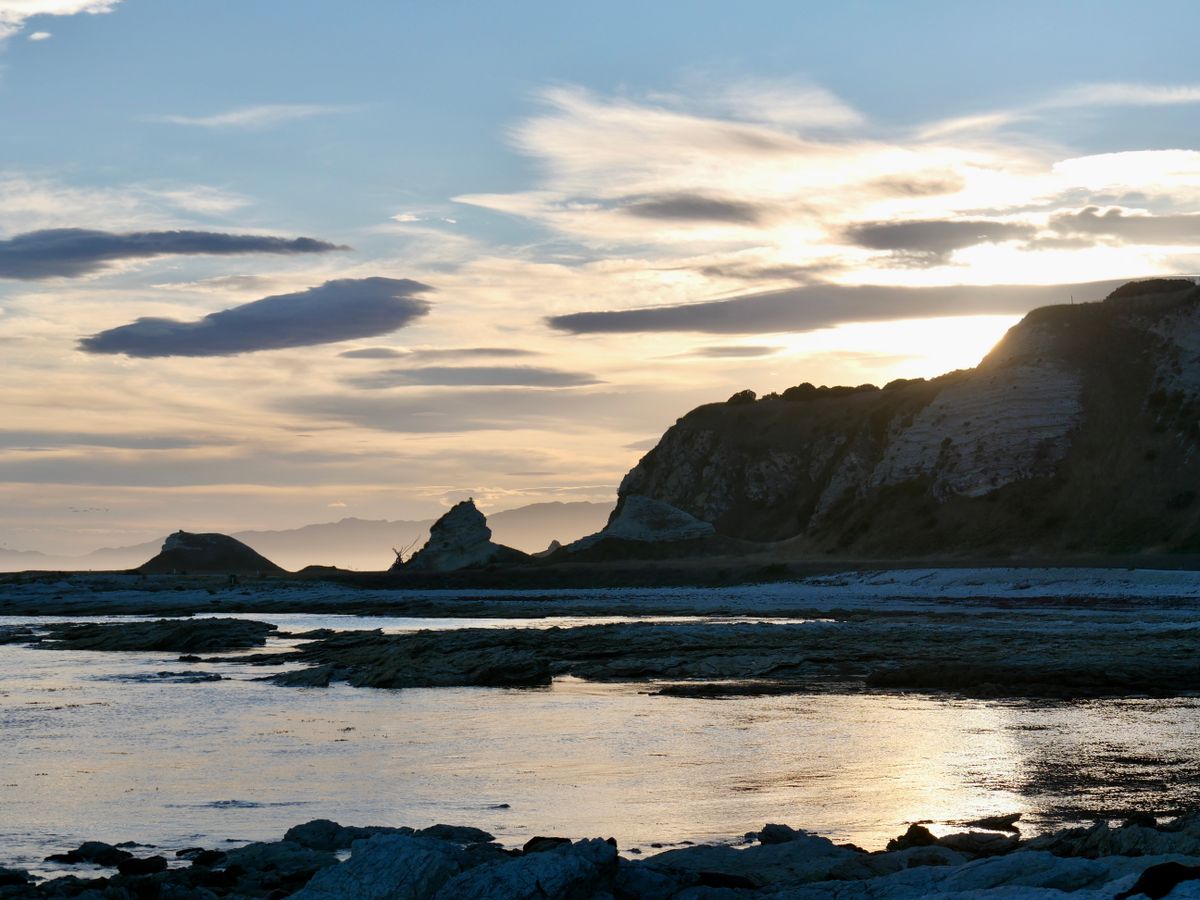
Point Kean is just a short drive or a 4.5 km walk from Kaikoura township, providing level access from the car park to the main seal viewing rocks. Ohau Point, further north, is best reached by car and features a dedicated roadside viewing area with ample parking. Both sites are free to access at all hours, but daylight visits are safer and offer better wildlife viewing. The rocky terrain is uneven, so sturdy footwear is recommended for all visitors.
Quick Reference Table
| Location | Access | Parking | Toilets |
|---|---|---|---|
| Point Kean | Drive, walk (4.5 km from town) | Large car park | Yes |
| Ohau Point | Drive (25 km north) | Roadside parking | No |
Where to See Seals in Kaikoura
The best-known Kaikoura seal colony sites are Point Kean (on the peninsula) and Ohau Point. Point Kean is located at the end of Fyffe Quay and offers direct access to the rocky platforms where seals haul out, often within plain view of visitors. Ohau Point is a 25-minute drive north on State Highway 1 and features a large breeding colony visible from the roadside lookout. Both are renowned as reliable places to see marine mammals throughout the year.
For a mapped overview, look for the Peninsula Walkway interpretive boards at either car park. These highlight the main vantage points and walking routes. Walking the full Kaikoura Peninsula Walkway takes about three hours, but seal sightings are possible within minutes from either car park. Ohau Point’s coordinates are -42.24795, 173.83079, while Point Kean is at 40 Fyffe Quay, Kaikoura Peninsula.
Map and Viewing Spots
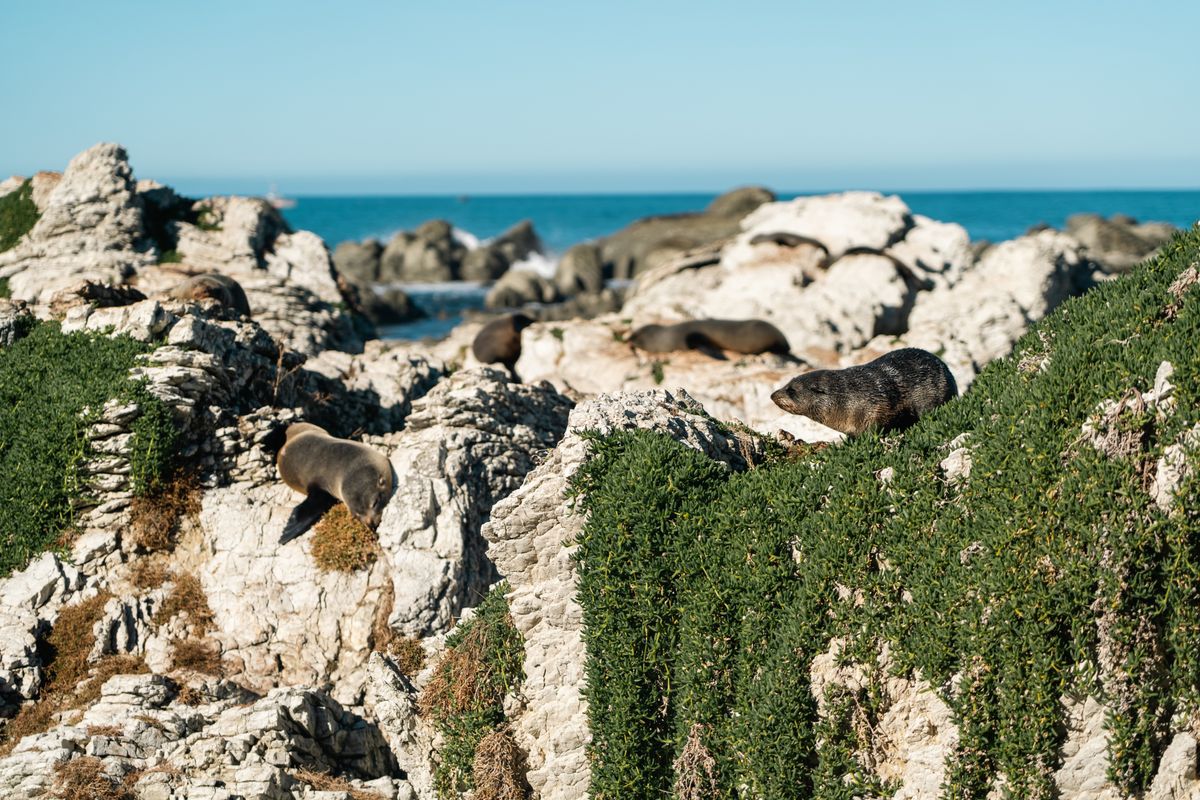
At Point Kean, seals congregate on the rocky foreshore and can be seen lounging on the rocks, especially at low tide. Kaikoura seal colony is signposted and includes barriers to protect both visitors and wildlife. Ohau Point’s lookout offers a panoramic view of the breeding colony below, with information panels explaining seal behavior and conservation. Both sites are open access, but be sure to check current safety notices, especially after storms or heavy swells.
Best Time to Visit and Seasonal Differences
The Kaikoura seal colony is a year-round destination, with seals present in every season. However, the best viewing is typically from October to March, when warmer weather coincides with the breeding season and the presence of pups. Spring and summer bring the most active seal behavior, with pups visible near shore and adults hauled out in larger numbers.
Autumn offers a quieter atmosphere and reliable sightings, while winter can be windier but still delivers good seal encounters with fewer visitors. Early mornings and late afternoons are ideal for both wildlife activity and photography, taking advantage of softer light and active seals. Seals are present all year, but the mood and crowd levels shift with the seasons.
Seasonal Highlights
During summer (December to February), you’re most likely to see playful seal pups close to shore and experience the busiest visitor numbers. Autumn (March to May) is favored for those wanting fewer crowds and milder weather. Winter (June to August) brings dramatic coastal conditions and larger males, while spring (September to November) marks the start of the breeding season and increased seal activity.
Seal Watching Safety and Ethics (DOC Guidelines)
The Department of Conservation (DOC) sets out clear rules for ethical viewing at the Kaikoura seal colony. Visitors must stay at least 20 meters away from all seals, avoid loud noises or sudden movements, and never feed, touch, or disturb the animals. Seals can become aggressive if approached, particularly when pups are present. Always keep dogs and children well back, and never block a seal’s path to the water.
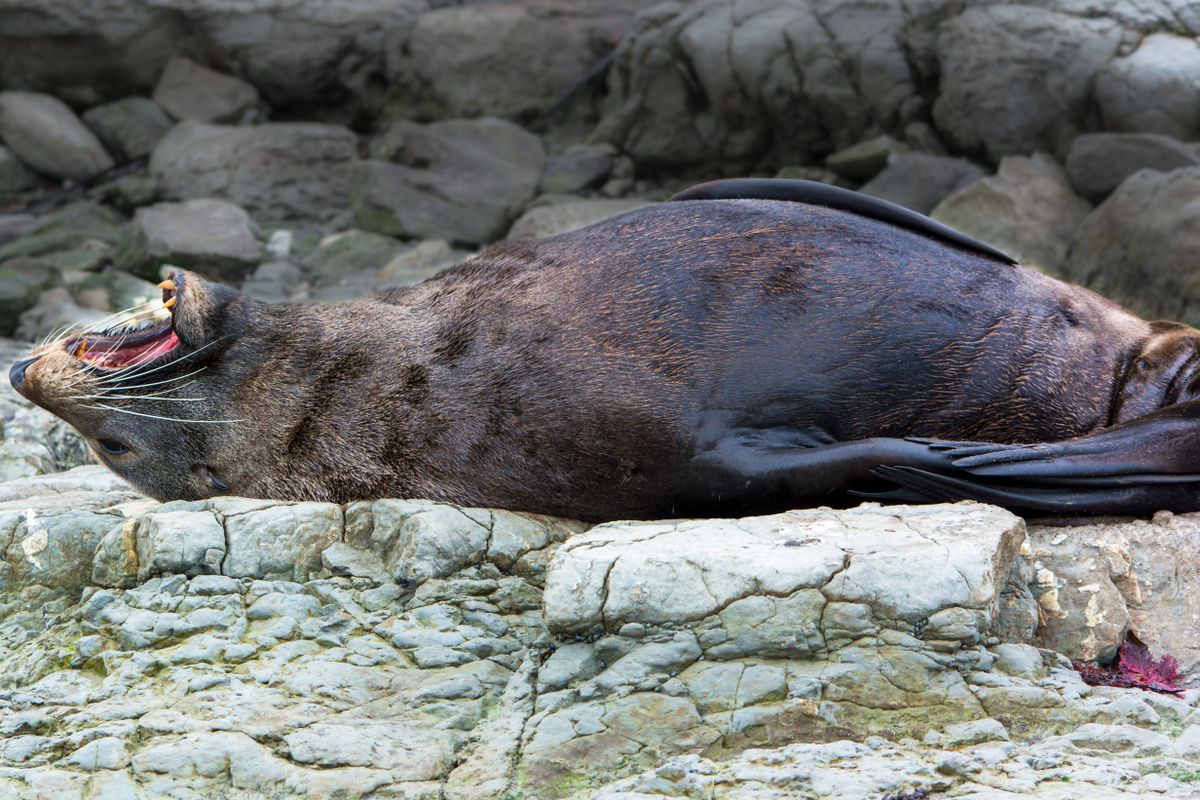
Observe quietly, use a zoom lens for photos, and remember that the welfare of the animals comes first. If you see a seal in distress or being harassed, call the DOC hotline at 0800 DOC HOT (0800 362 468). All posted DOC signage must be followed, and the minimum distance is strictly enforced. These guidelines protect both visitors and wildlife, ensuring the Kaikoura seal colony remains a sustainable attraction.
Ethical Wildlife Viewing Tips
Never get between a seal and the sea, and always leave seals an easy escape route. Avoid crowding popular viewing spots, as this can stress the animals. For photographers, a telephoto lens is ideal for close-up images without intruding on the seals’ space. Respect all DOC notices about temporary closures or altered walking tracks, especially after storms or breeding season changes.
Tips for Families and Photographers
Families will find the Kaikoura seal colony an accessible and memorable location, but safety is paramount. Teach children about the 20-meter rule and supervise them at all times. Avoid letting kids run or shout near the colony, and never encourage them to approach seals for photos. For photographers, early morning and late afternoon light provide the best conditions for wildlife and landscape shots. Bring a zoom or telephoto lens to capture natural behaviors without disturbing the animals.
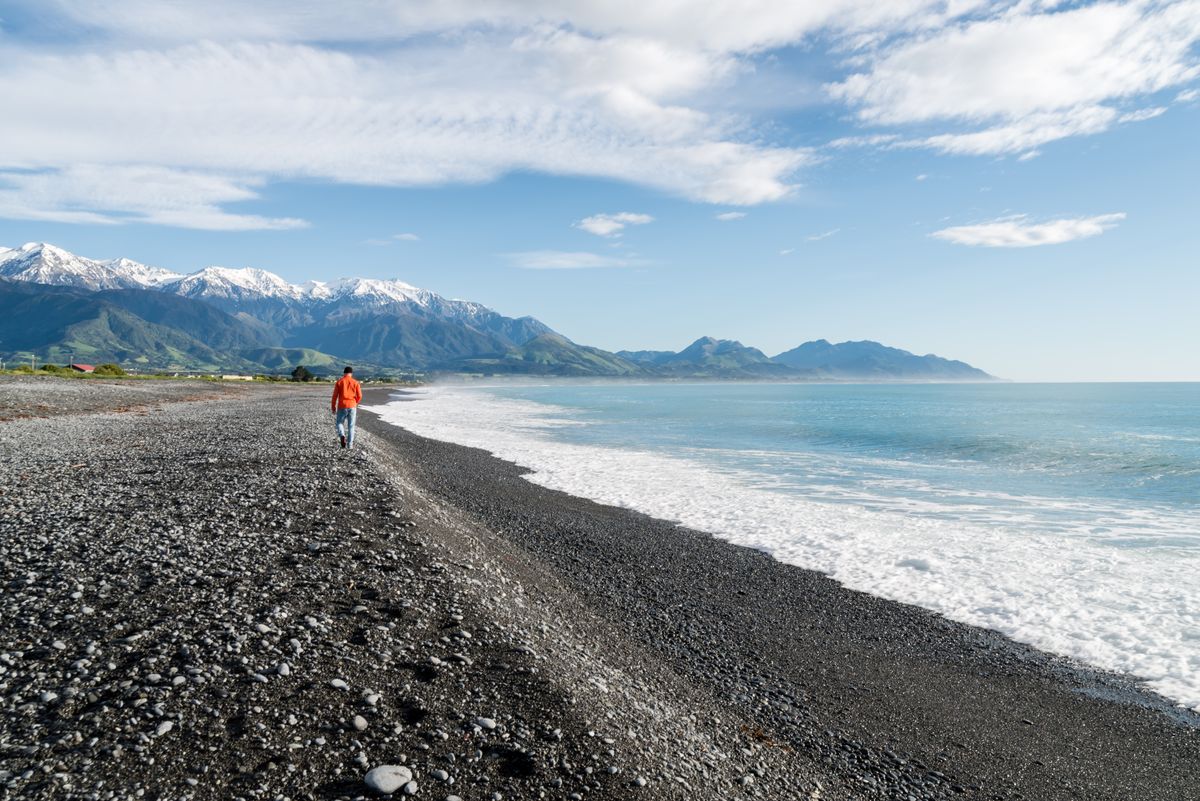
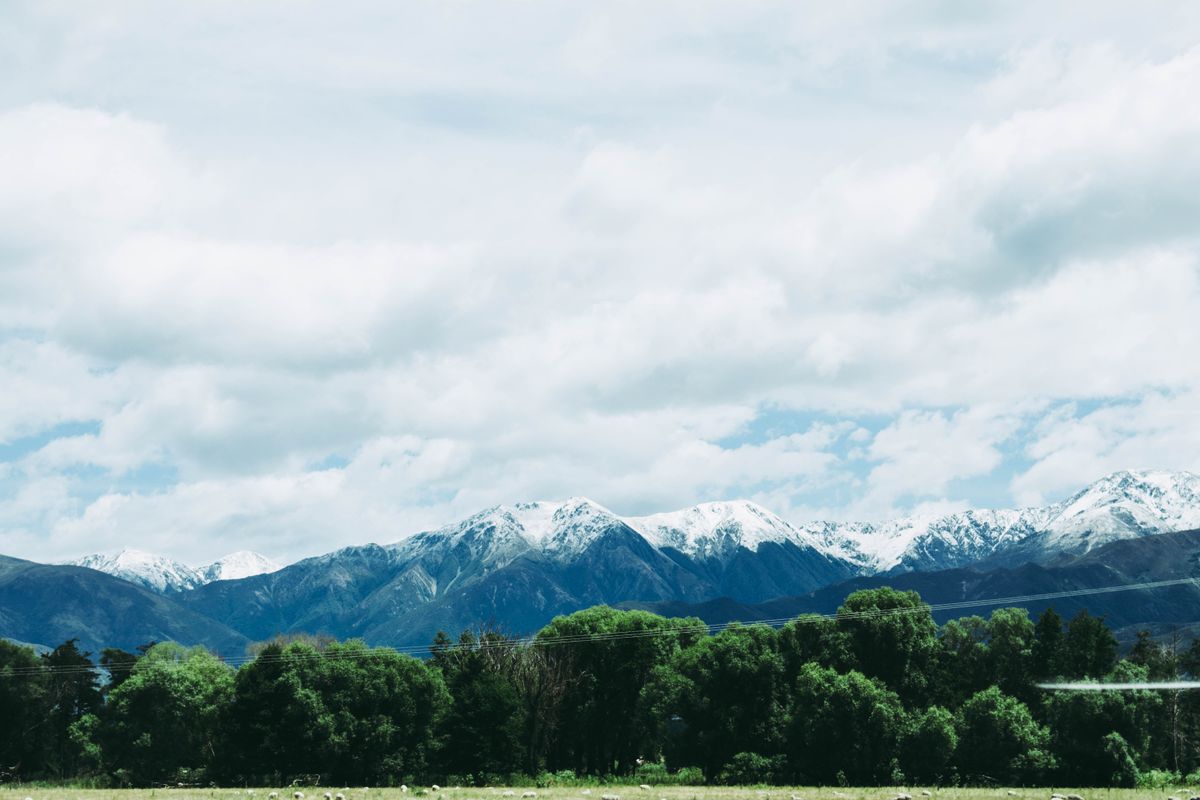
Wide-angle lenses are useful for capturing the dramatic coastline and mountain backdrop. Patience pays off to seals often rest for long periods, and the best images come from waiting for active moments. Avoid flash, keep movements slow, and use natural cover where possible. For families, the nearby car park and facilities make the visit practical, and the short walk to viewing platforms is manageable even with young children or strollers.
Best Practices for a Safe and Enjoyable Visit
Plan your trip during daylight hours, pack snacks and water, and dress for changeable weather. The rocky foreshore can be slippery, so non-slip shoes are recommended. If you are visiting with someone with limited mobility, Point Kean’s car park and viewing area are the most accessible. For longer stays, pack sun protection and check the tides for best access to the rocks and walking tracks.
How to Get There and Parking
The main access point for the Kaikoura seal colony is Point Kean car park, located at the end of Fyffe Quay, 4.5 km from Kaikoura’s town center. This large, free car park includes toilets and information boards, and is the best starting point for most visitors. Ohau Point, 25 km north on State Highway 1, also has a dedicated parking area at the roadside lookout.
Most visitors arrive by car; the drive from Kaikoura township to Point Kean takes about 10 minutes. Walking is also possible via the Peninsula Walkway, starting from the i-SITE and following the Esplanade and Avoca Street. There are no direct public transport links to the seal colony, so plan to use a car, taxi, or walk. For freedom campers, check Kaikoura District Council’s website for designated parking areas.
Directions and Local Advice
From Kaikoura town, head east along West End, turn onto the Esplanade, and continue via Avoca Street and Fyffe Quay to the end of the road. For Ohau Point, drive north on State Highway 1, look for the marked viewing area just past the Ohau Stream. Both sites feature clear signage and are well-marked on Google Maps. Parking fills early on summer weekends and holidays, so arrive before 10 am for best access.
Things to Do Nearby
Kaikoura offers more than just the seal colony. The Peninsula Walkway is a scenic route featuring coastal cliffs, ocean views, and more chances to spot marine life. Whale watching is a major draw, with tours departing from Kaikoura town and often spotting sperm whales, dolphins, and orcas. For food, Kaikoura Seafood BBQ Kiosk and Cafe Encounter are favorites near the seal colony, while The Pier Hotel Restaurant, Craypot Kitchen & Bar, and Beach House Café are well-reviewed options in town.
Visitors can also explore the Kaikoura Museum, enjoy fresh seafood from local food trucks, or take in the views from South Bay. Birdwatching, kayaking, and marine tours are all available, making it easy to build a full day or weekend itinerary around the Kaikoura seal colony. If you’re traveling with kids, the short walks and picnic spots at Point Kean make for a low-fuss outing.
Local Recommendations
Don’t miss the Kaikoura Peninsula Walkway for coastal views and wildlife spotting beyond seals. Whale watching tours book out fast in summer, so reserve ahead if that’s part of your plan. For coffee and light meals, Cafe Encounter and Beach House Café are local favorites. Seafood lovers should try the Kaikoura Seafood BBQ Kiosk, famous for crayfish and fish burgers near the seal colony.
Combine seal watching with a walk or picnic along the coast for a relaxed day. If you have time, Ohau Point is worth the extra drive for a different perspective and fewer crowds.
FAQs about the Kaikoura Seal Colony
Is the Kaikoura seal colony open all year?
Yes, the Kaikoura seal colony is accessible year-round, with seals present in every season. Spring and summer are particularly lively due to the presence of pups, but visitors can spot seals in all weather. Facilities like the Point Kean car park remain open, though DOC may post temporary safety notices after storms or during high tides.
What is the best time of day for seal watching?
Early morning and late afternoon are ideal for seal watching at the Kaikoura colony. These times offer softer light for photography and more active seal behavior. Midday can be busy, especially in summer, but seals are often visible throughout the day.
How close can I get to the seals?
DOC guidelines require all visitors to keep at least 20 meters away from seals at all times. This protects both you and the animals. Seals can move quickly and may become aggressive if disturbed, so never approach for close photos or block their path to the sea.
Are dogs allowed at the Kaikoura seal colony?
Dogs are not recommended at the Kaikoura seal colony. DOC rules require dogs to be kept well away from seals, and many areas prohibit them outright. Check local signage and keep pets leashed and far from wildlife at all times.
What should I bring for a visit to the Kaikoura seal colony?
Pack sturdy shoes, sun protection, water, and a camera with a zoom lens. Bring snacks or enjoy local food trucks and cafes nearby. Dress for changeable weather and check for DOC updates before visiting. Facilities like toilets are available at Point Kean but not at Ohau Point.
Does the Kaikoura seal colony feature on a typical Kaikoura itinerary?
Yes, the Kaikoura seal colony is a highlight of any Kaikoura itinerary, often paired with whale watching, coastal walks, and seafood lunches. Its accessibility and year-round wildlife make it a must-see for travelers to Kaikoura seal colony.
Plan Your Visit: Step-by-Step
1. Start by checking the weather and tides for the day. 2. Decide between Point Kean (easier access, facilities) or Ohau Point (quieter, further drive). 3. Arrive early for best parking and fewer crowds, especially in summer. 4. Review DOC safety signs and pick up any visitor information at the car park. 5. Follow marked paths to viewing areas, maintaining at least 20 meters’ distance from all seals. 6. Take your time to use binoculars and a zoom lens for wildlife watching. 7. Enjoy a picnic or visit a nearby café for local seafood. 8. Leave no trace and respect all posted guidelines. 9. If combining with whale watching or a coastal walk, book any tours in advance. 10. Check for any DOC alerts before heading out, especially after storms.
Downloadable Guide and Further Resources
The official DOC website provides up-to-date safety alerts, maps, and visitor information for the Kaikoura seal colony. For more details on local attractions, visit the Kaikoura i-SITE or Kaikoura seal colony’s tourism board. Local operators and the Kaikoura Museum also offer educational resources and information on conservation efforts. Download digital maps and the DOC Kaikoura Peninsula Walkway brochure before your visit for the latest route and safety details.
For additional reading on wildlife in New Zealand, see the DOC marine mammals page or explore more about ethical wildlife viewing through the Marine Mammal Science Society.
More from this site: Destinations, When to Go.
Official information and sources: DOC official fur seal page, Kaikoura tourism board.
Conclusion
Visiting the Kaikoura seal colony is a unique chance to observe New Zealand fur seals in their natural environment while enjoying dramatic coastal scenery and easy access from town. By following DOC guidelines and planning ahead, you’ll enjoy an ethical, safe wildlife encounter that fits seamlessly into any Kaikoura itinerary. Whether you’re a family, photographer, or casual traveler, the Kaikoura seal colony remains one of the region’s essential experiences. Remember to give the seals space, respect the coastline, and savor the wild beauty of New Zealand’s marine life.